13th to 15th centuries: Medieval Times
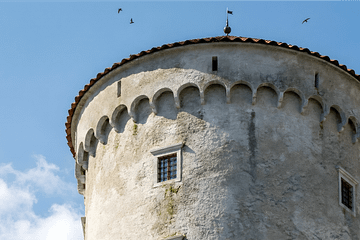
The site of Nadlišek (German Nadlischek) lay atop a prehistoric hillfort later reused by the Romans. In 1260 Patriarch Gregorio di Montelongo of Aquileia granted a large tract of Bloke plateau forest to his vassal Herbard von Auersperg. Herbard promptly rebuilt the ancient hillfort as Nadlišek Castle – a modest motte-and-bailey fortress with stone walls, a keep, five corner towers and a surrounding moat. The complex included a chapel dedicated to St. Ulrich (Urh), one of the earliest churches in the area. Through the 13th–14th centuries, the Auersperg family (later Counts of Turjak) held Nadlišek as part of their Turjak estate. No major sieges are recorded in this era, but the castle served as a center of local administration. By the late 1400s the Nadlišek estate supported dozens of peasant farms – sources note 66 huben (family farms) in the late 15th century, reflecting gradual population growth and organized agriculture under the Turjak lords.
16th century:
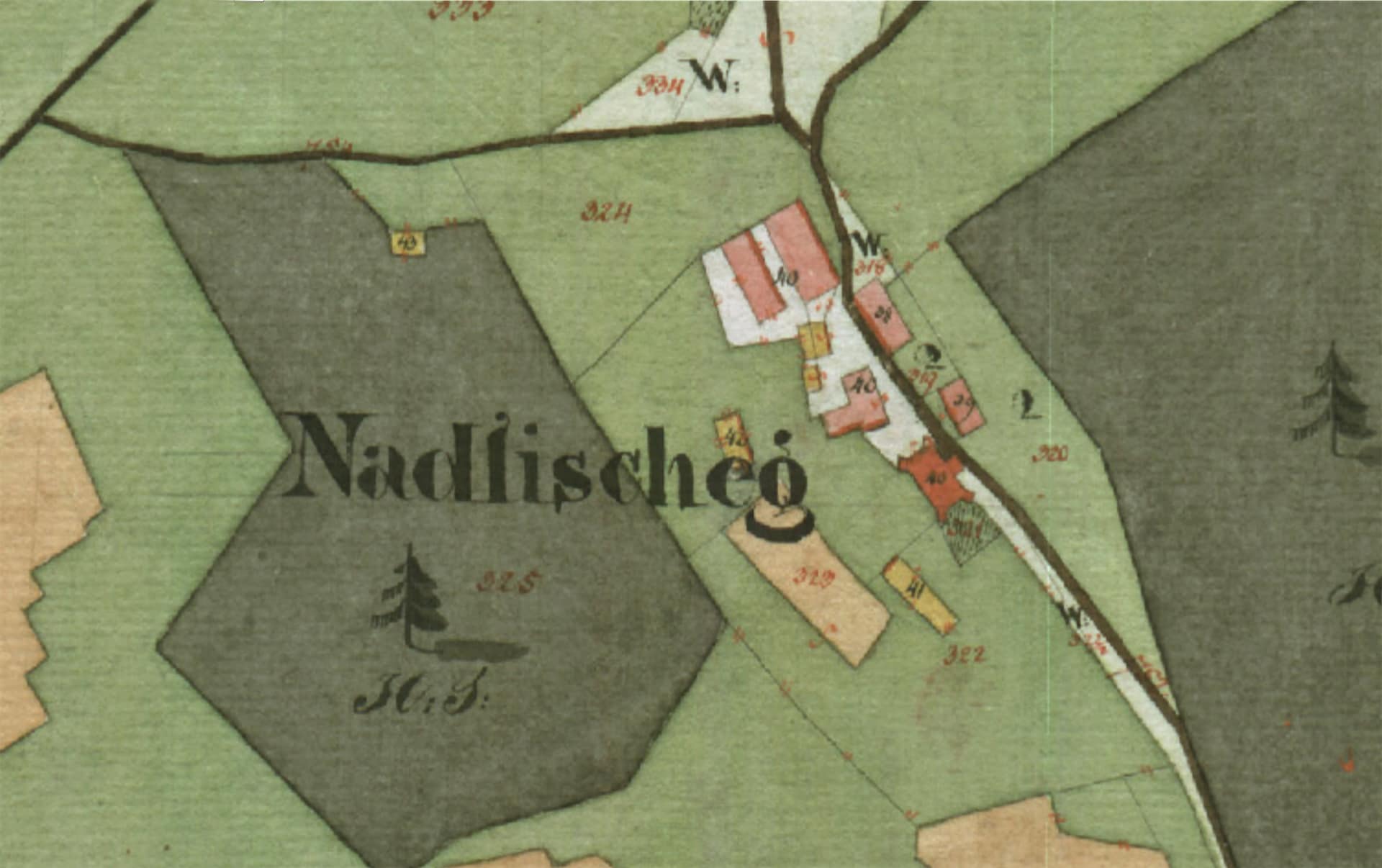
The Ottoman–Habsburg wars transformed the region. In 1546 Ottoman raiders sacked Nadlišek Castle, killing defenders and damaging the fortifications. In response, Count Wolf Engelbert Auersperg rebuilt the site into a large fortified tabor (refuge) called Zvezda (the Star). This stone enclosure – still using the old walls and towers – was designed to shelter villagers during Turkish incursions. It successfully withstood at least one assault around 1559. By the later 1500s the Ottoman threat was waning, and the Auerspergs found the tabor expensive to maintain. It was gradually abandoned; contemporary accounts show the Zvezda fortress already in ruin by the early 1600s. Only the hilltop chapel of St. Urh remained in use after this period.
17th century:
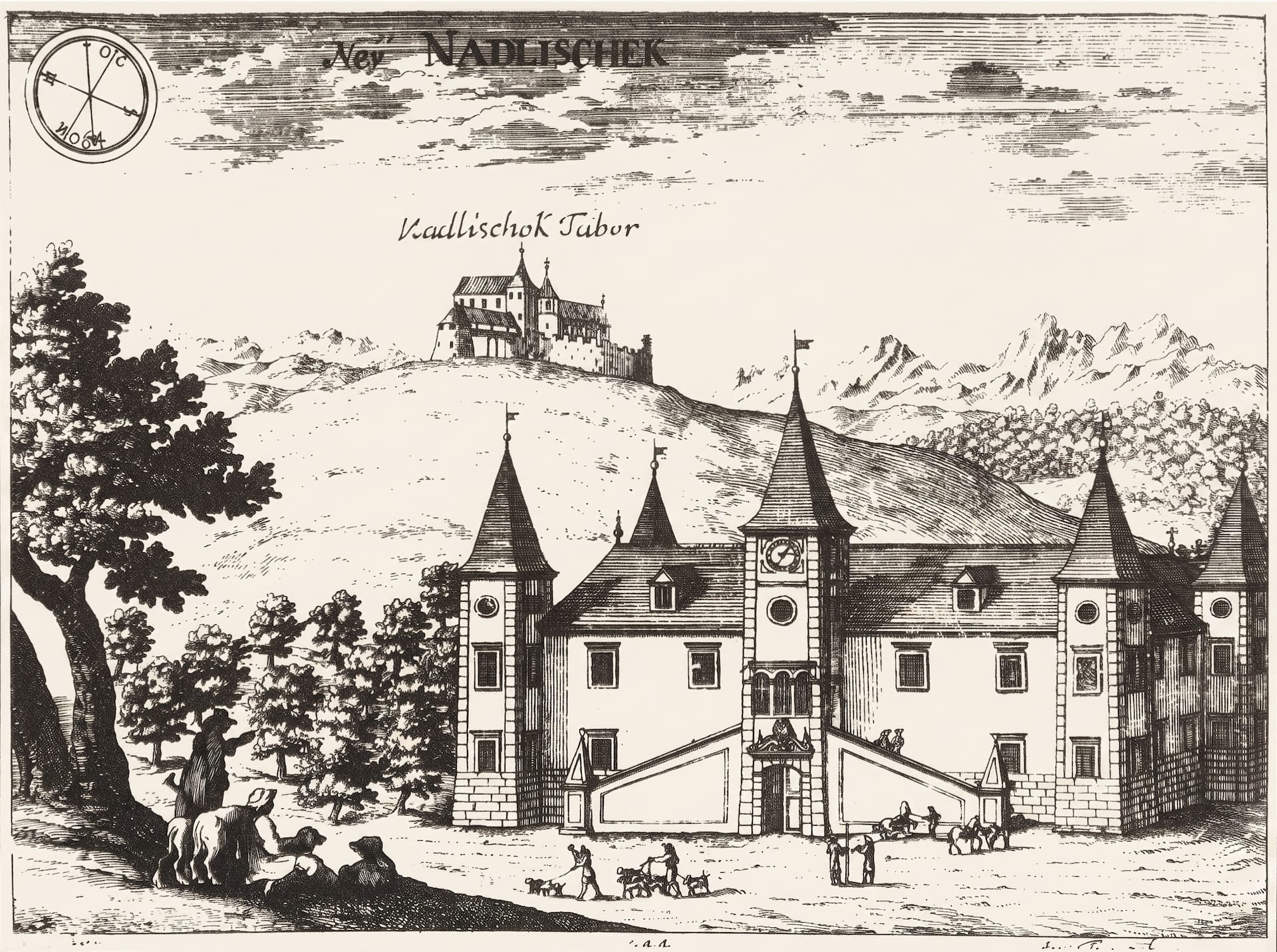
With the old fortress unused, the Turjak counts built a new manor house at Pajkovo. Around 1686 Count Wolf Engelbert Auersperg erected a hunting lodge at the foot of Nadlišek hill. This two-story baroque mansion was a simple square building with a high shingled roof and distinctive corner turrets. It had a symmetrical arrangement of large shuttered windows and an elegant design befitting a noble lodge. Count Wolf Engelbert’s wealthy wife Katharina Elizabeth von Trilleck funded much of the construction. To serve the new residence, they also built the nearby Church of the Holy Trinity at Sveta Trojica. The Auerspergs used the lodge seasonally; records note that the Count resided there especially in autumn during the hunting season.
Local tradition connects the area to the legend of Martin Krpan, tying the manor region into Slovene folklore. In 1689 Valvasor described Nadlišek manor as not especially large, but pleasant and neat.
18th century:
Throughout the 1700s the Pajkovo manor remained in Auersperg hands. Administratively it was part of the Habsburg Duchy of Carniola. In the mid-18th century local villagers rebuilt the chapel of St. Urh on Nadlišek hill in a new Baroque style, replacing the older chapel.
The manor at Pajkovo continued as a rural nobility seat; its owners lived off forestry and hunting. Detailed renovation records are lacking, but it likely underwent periodic repairs.
The building’s Baroque characteristic corner turrets, balanced proportions were largely maintained.
The manor was renovated and altered. Most likely due to problems with the foundations, the upper section of the tall entrance tower was demolished.
The Austro-Hungarian cadastral register explicitly lists Nadlišek (Pajkovo, Nadlischek) as a locality in the Turjak domain.
19th century:
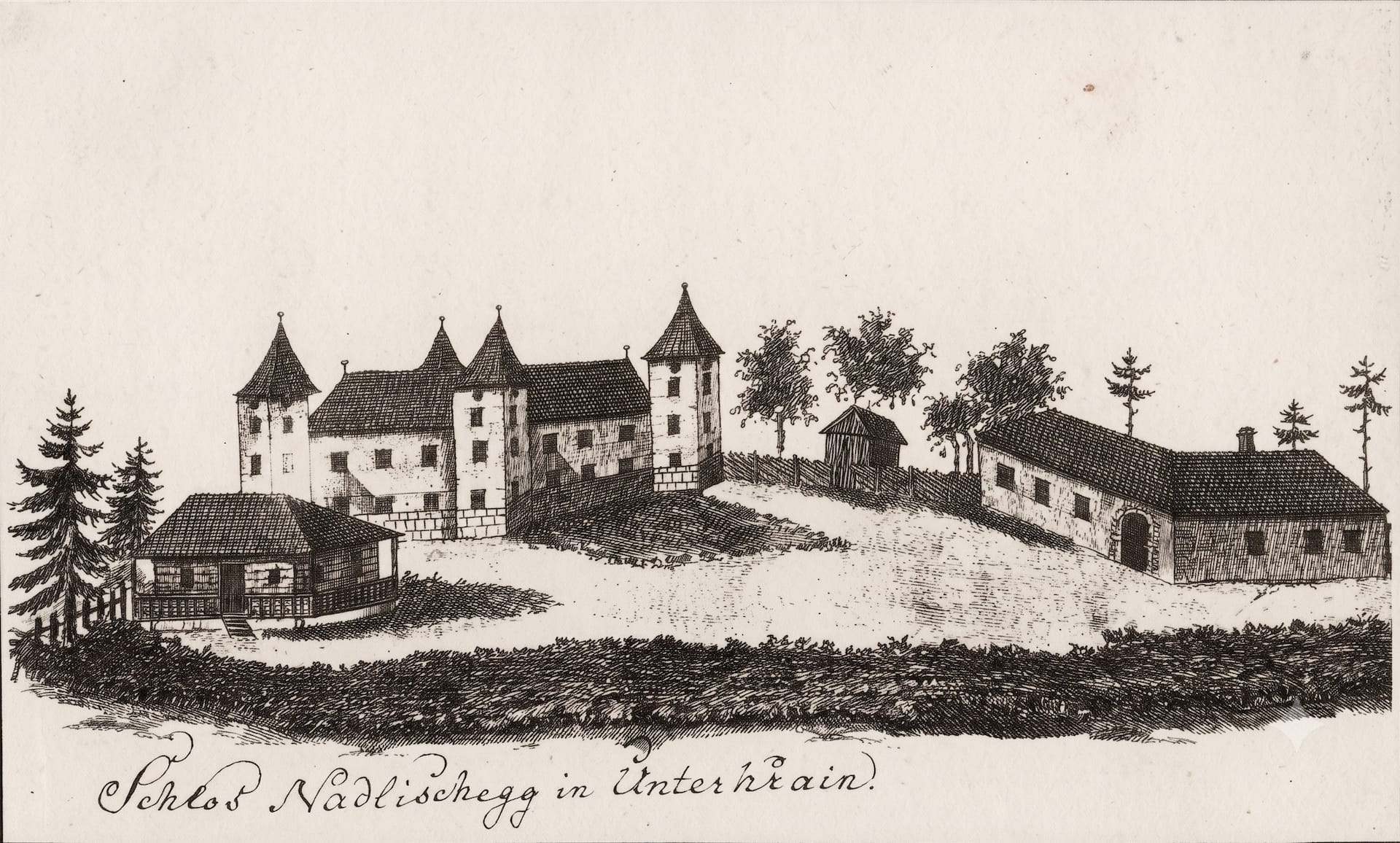
Under the Austro-Hungarian Empire the New Nadlišek manor remained a Turjak Auersperg possession. It functioned as a seasonal reserve and hunting lodge for the counts.
There is no record of major remodeling in the 1800s, although the family’s Viennese palace had grown more important. Local memory recalls that even in the 19th century the manor stood in a quiet clearing and its grounds stocked.
20th century: World War II and Aftermath
The Auersperg family retained Nadlišek through World War I, but the collapse of Austria-Hungary ended serfdom and fideicommissum tenure. The fidejkomis holding the manor was abolished after 1918. Facing financial strain, the Auerspergs sold the property in 1928. The manor and adjoining forests were bought by Karel Kovač, a wealthy farmer from Stari Trg pri Ložu. Kovač and his family moved into Pajkovo for a time; contemporaneous accounts note the house was filled with furnishings and hunting trophies.
During World War II the region fell under Italian occupation. Local Partisan bands were active in the Bloke hills. On 16 July 1942, during a major Italian anti-Partisan operation, Italian troops burned Nadlišek (Pajkovo) on 16 July 1942, killing the caretaker.
Witnesses report the straw-filled building burned for days. Afterward, villagers scavenged the wreckage for stone and lumber to repair their homes and roads. Little remained but scorched foundations.
By war’s end in 1945 the ruined manor was not rebuilt. Under Communist Yugoslavia the land was redistributed, and the site gradually overgrew.
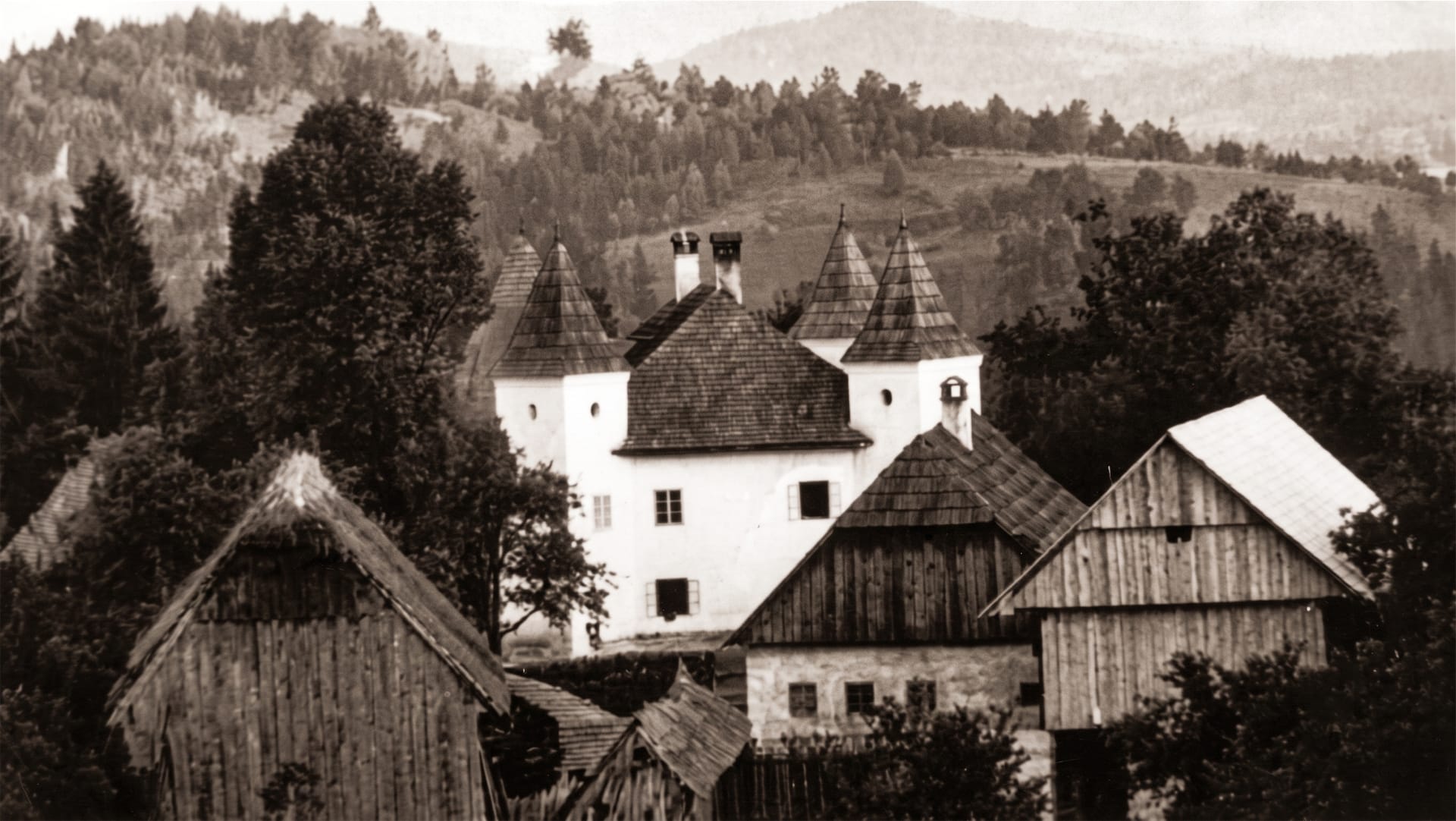
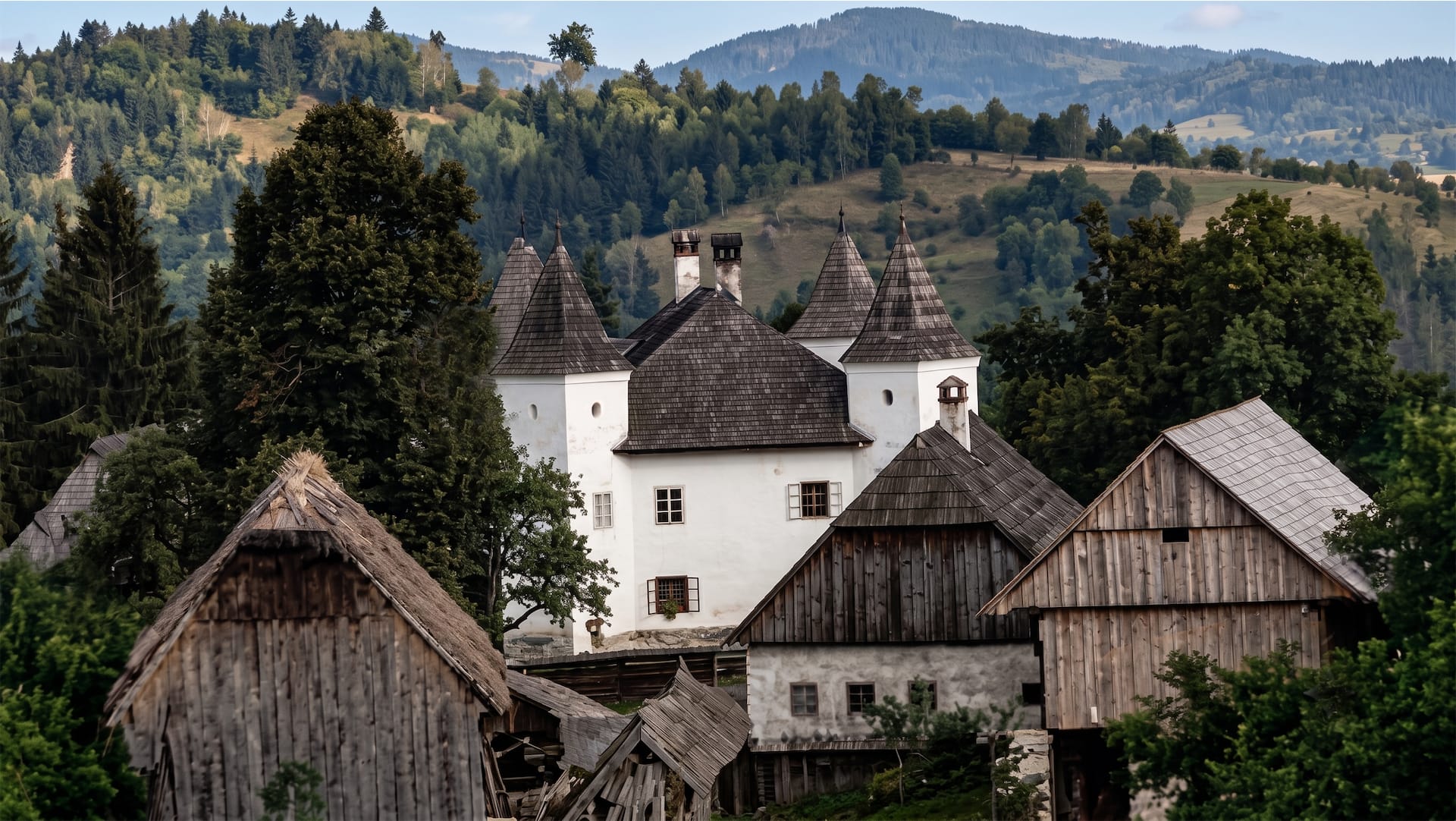
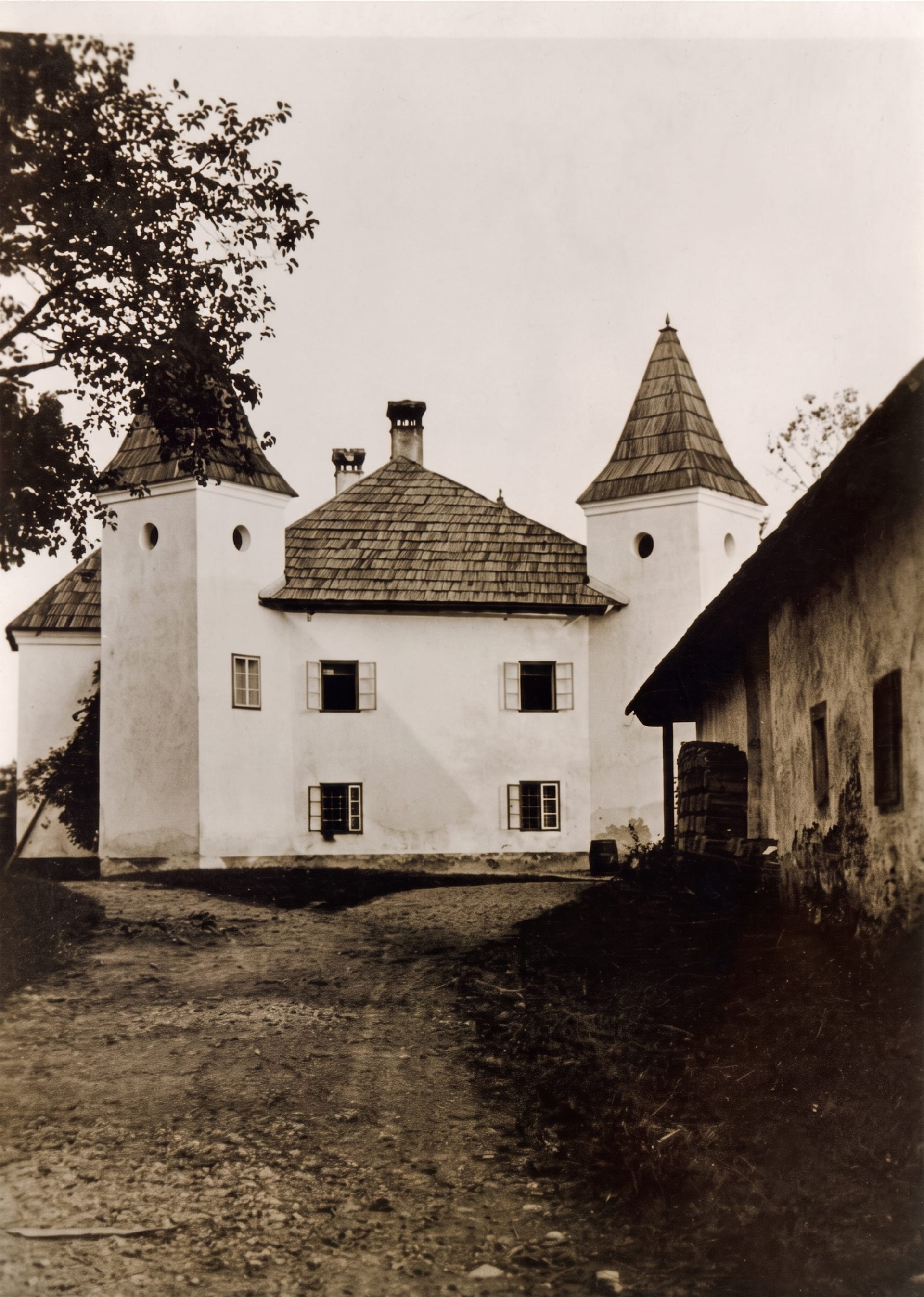
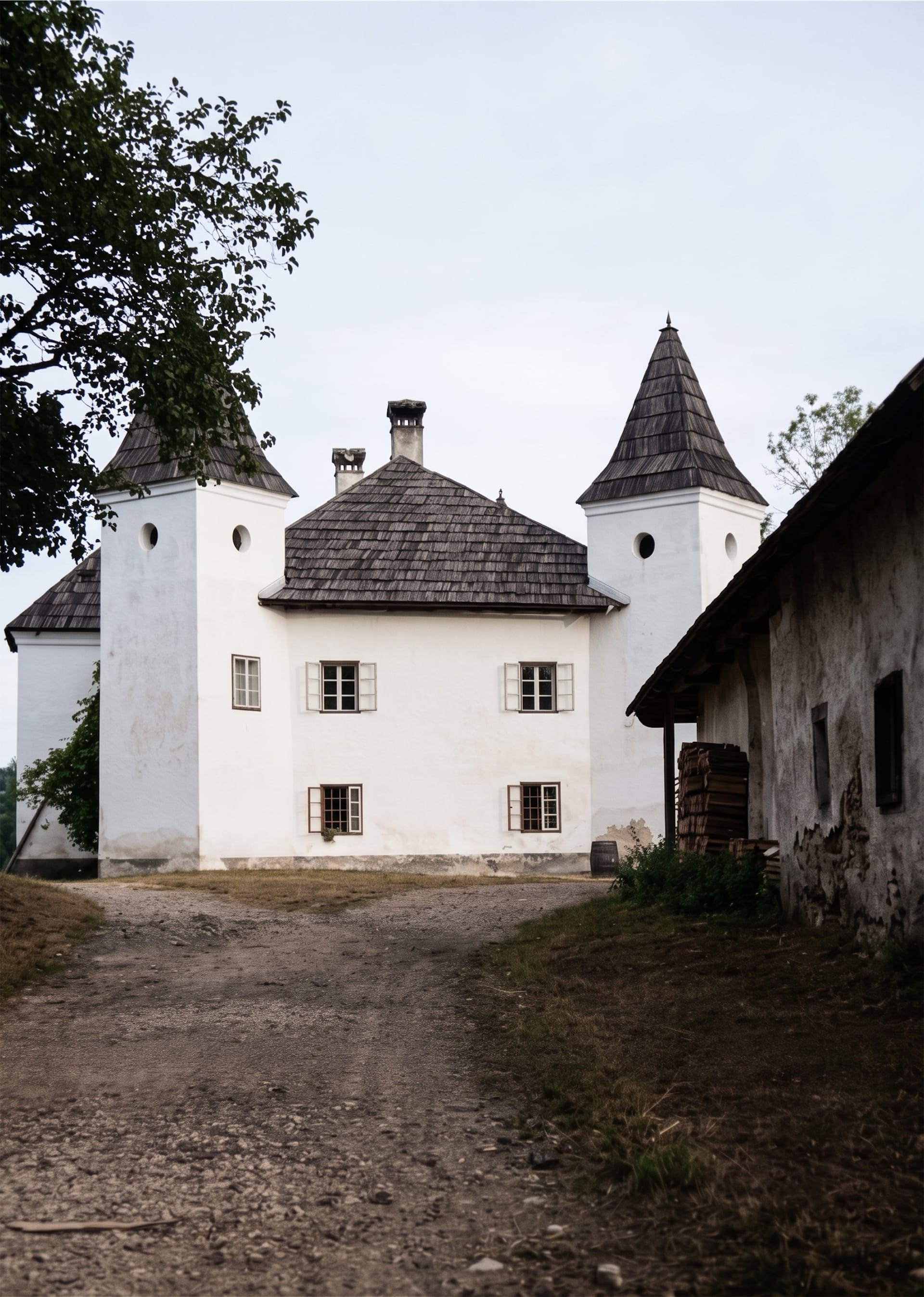
21st Century: Research and 3D Reconstruction
The only intact building remaining at Pajkovo is the former manor caretaker’s house, which today bears a WWII memorial plaque and the coat of arms from the old manor (both mounted on the house wall) are the sole markers of the estate’s history on-site.
Today the manor buildings themselves no longer stand. Contemporary accounts agree that the hunting lodge was destroyed in WWII. Over the ensuing decades local villagers carried off the stones for farm and road building, so that today only meager remains are on the spot. In short, the site consists only of scattered masonry and foundations on the hillside. No reconstruction was ever undertaken after the war, and only these degraded ruins are visible today.
Despite this, Nadlišek is part of local tourist routes. For example, the Krpanova pot (Martin Krpan trail) a 19 km circular walk on the Bloška planota, passes the Nadlišek site. The trail guide explicitly lists the remains of Nadlišek castle as one of over 20 cultural waypoints along the route. In practice, the ruins at Pajkovo are publicly accessible (reachable by local roads from Velike Bloke) and hikers can walk up to the foundations near the church of St. Urh.
There is no visitor center or signage beyond the stone rubble and memorial plaque the area is open countryside, but the site is noted on Bloška hiking maps and websites as a point of interest.
In effect it functions as an informal heritage landmark and photo stop for tourists of the region.
Officially, the ruined lodge has not been restored or rebuilt in the 21st century.
The Bloke municipal website (and newsletters) simply describe it as a ruin, and there is no record of any conservation project or archaeological excavation at the site.
No formal protection status is mentioned beyond its inclusion in local heritage listings. No new uses for the land (such as tourism facilities or a public park) have emerged; it remains privately located in rural Bloška planota, with its ruins quietly decaying amid the pastures.
(back to Pajkovo Lodge main post)