Alančių: The Full Story

Plotted within a traditional rural landscape, the manor reflects centuries of noble life, agriculture, and architectural development in Lithuania.
Alančių dvaras (Alančiai Manor) is a historic Lithuanian manor estate which origins could be traced up to the 16th Century.
Once a prosperous estate with a landscaped park and extensive lands, the Manor’s fate declined after Soviet nationalization in 1940.
Today, it awaits as a protected cultural heritage site, valued for its memories of its legacy of prosperity and samaritanism in times of hardship.
Pajkovo: The Full Story

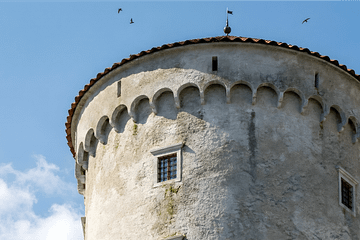
The Nadlišek Manor (Pajkovo) was a Baroque-era rural residence established in the late 17th century by the Counts of Turjak (Auersperg family) after the abandonment of the medieval hilltop fortress above it.
Built as a hunting lodge and estate center, the manor reflected the shift from defensive strongholds to practical noble residences adapted to forestry, agriculture, and seasonal use.
Destroyed during World War II and never rebuilt, the site today survives only through scattered foundations, a former caretaker’s house, and its inclusion in local cultural and hiking routes, preserving its historical presence within the landscape rather than through standing architecture.

Tabor Povir: The Full Story

The Tabor Povir was a late-medieval communal refuge tower built at the end of the 15th century on the hill above the village of Povir.
Erected during the period of Ottoman incursions, it formed part of a regional network of tabori designed to shelter rural populations and enable signaling across the Karst landscape.
Never intended as a noble residence, the tower functioned as a temporary defensive post and gathering point. Abandoned after the frontier shifted and later destroyed during the Second World War, the site today survives through archaeological traces, documented research, and the enduring place-name that preserves its historical role

Školj: The Full Story

12th to 15th Centuries: Origins and Medieval Era Castle Školj stands on a steep crag above the Reka (Timavo) River near Famlje in southwest Slovenia. While no Roman fortification existed on this site, the surrounding Karst region was populated in antiquity. The castle’s origins trace back to medieval times: building Read more

error: Copyright © 2026 Feniks Transcending Heritage. All Rights Reserved.