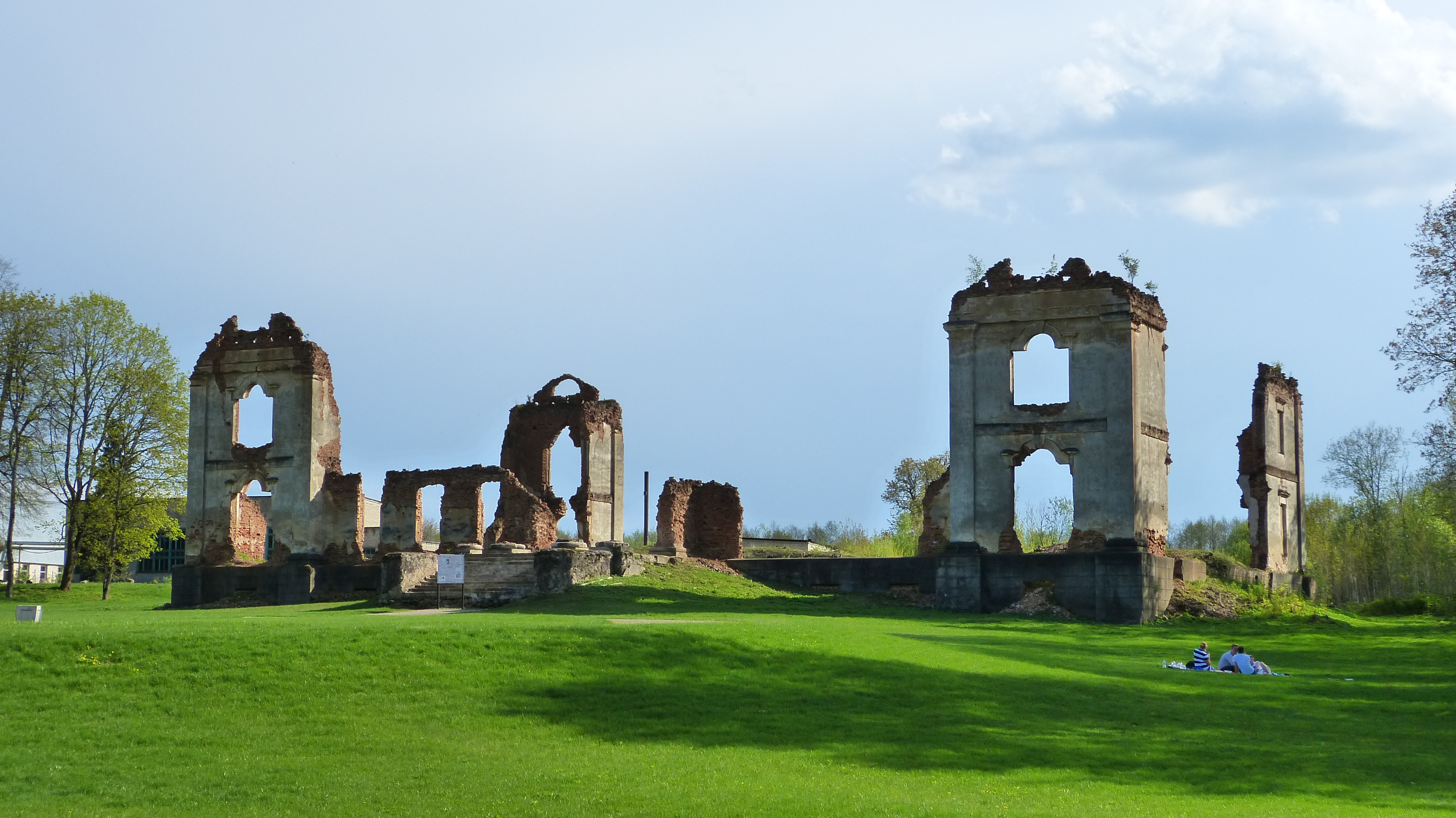
Merkinės Manor / Merkinės Dvaras Soon!

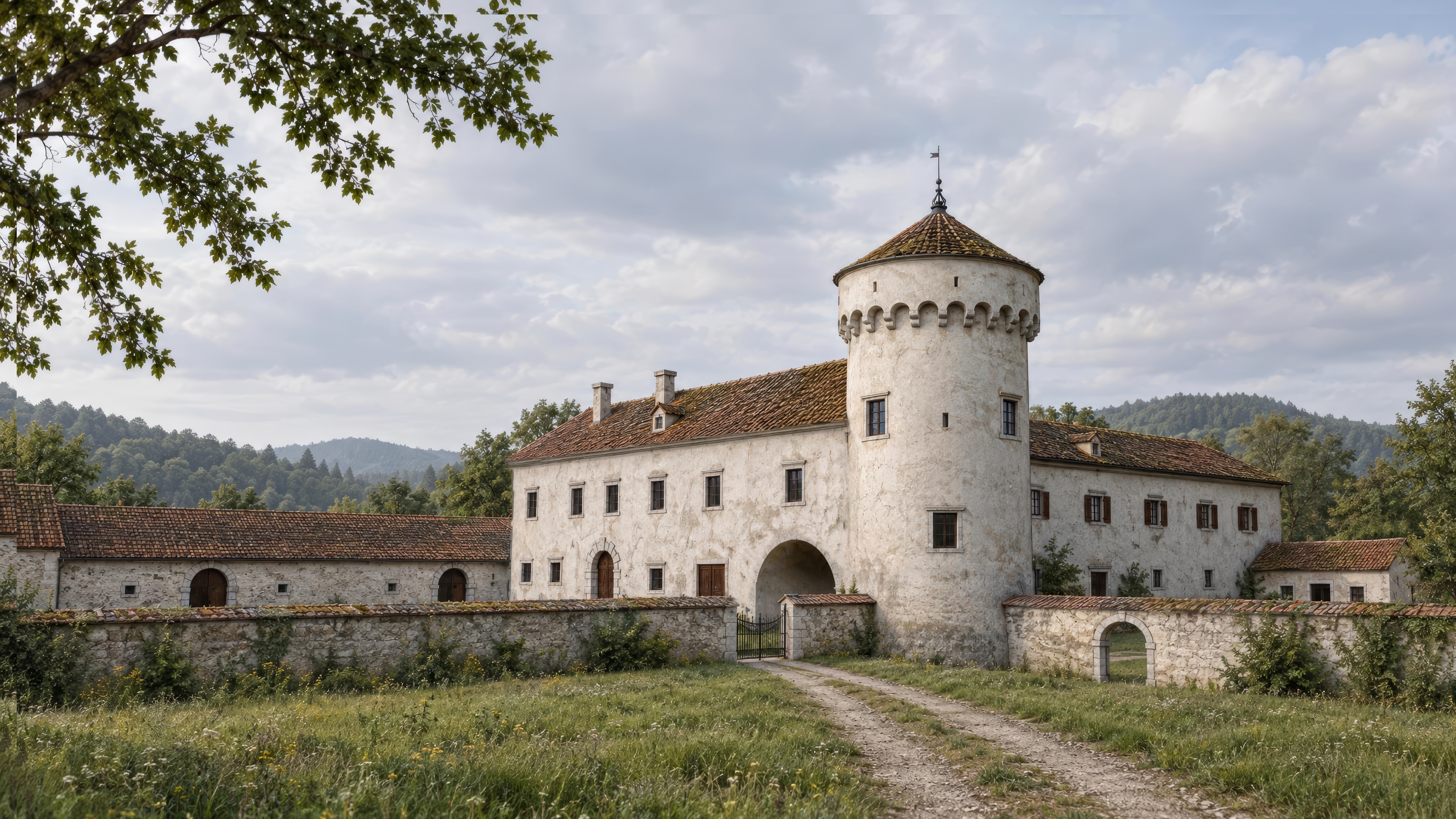
Merkinės Manor / Merkinės Dvaras Coming Soon, the rebirth of a legendary Lithuanian Manor At Feniks, we are currently finishing the research and modelling of the main building of one of the most important and iconic manors in whole Lithuania: Merkinės Dvaras.Mostly known as “Paulavos Republic”. It was a small Read more
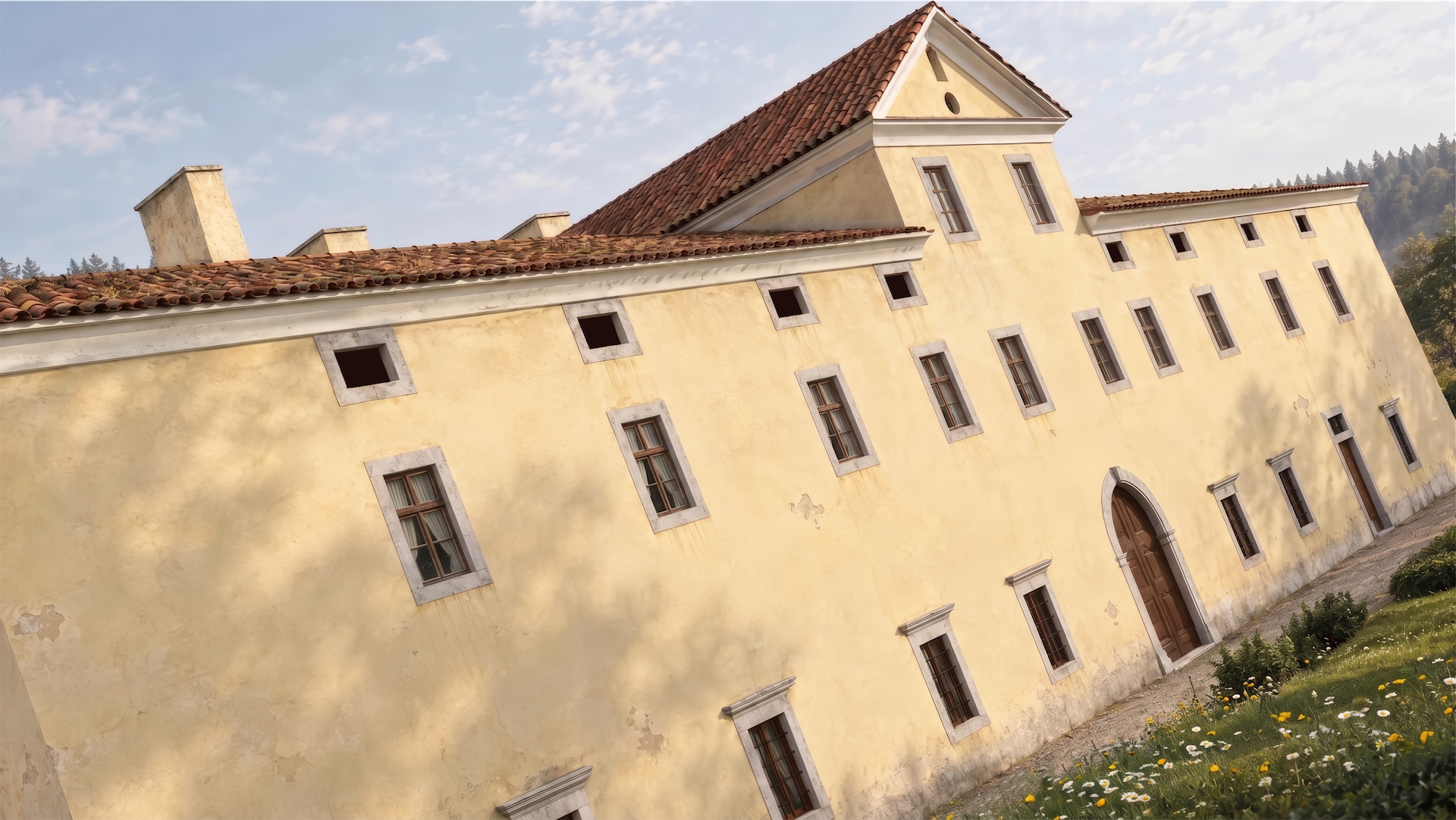
Feniks Renewal: Where did all the projects go?

Feniks Renewal What’s under development? Many of our dear followers have written to us to express their concern, asking what has been happening with Feniks during this last time: Basically we have decided to unpublish all the already concluded research projects in order to review them one by one and Read more

Jablanica Manor / Dvorec Jablanica

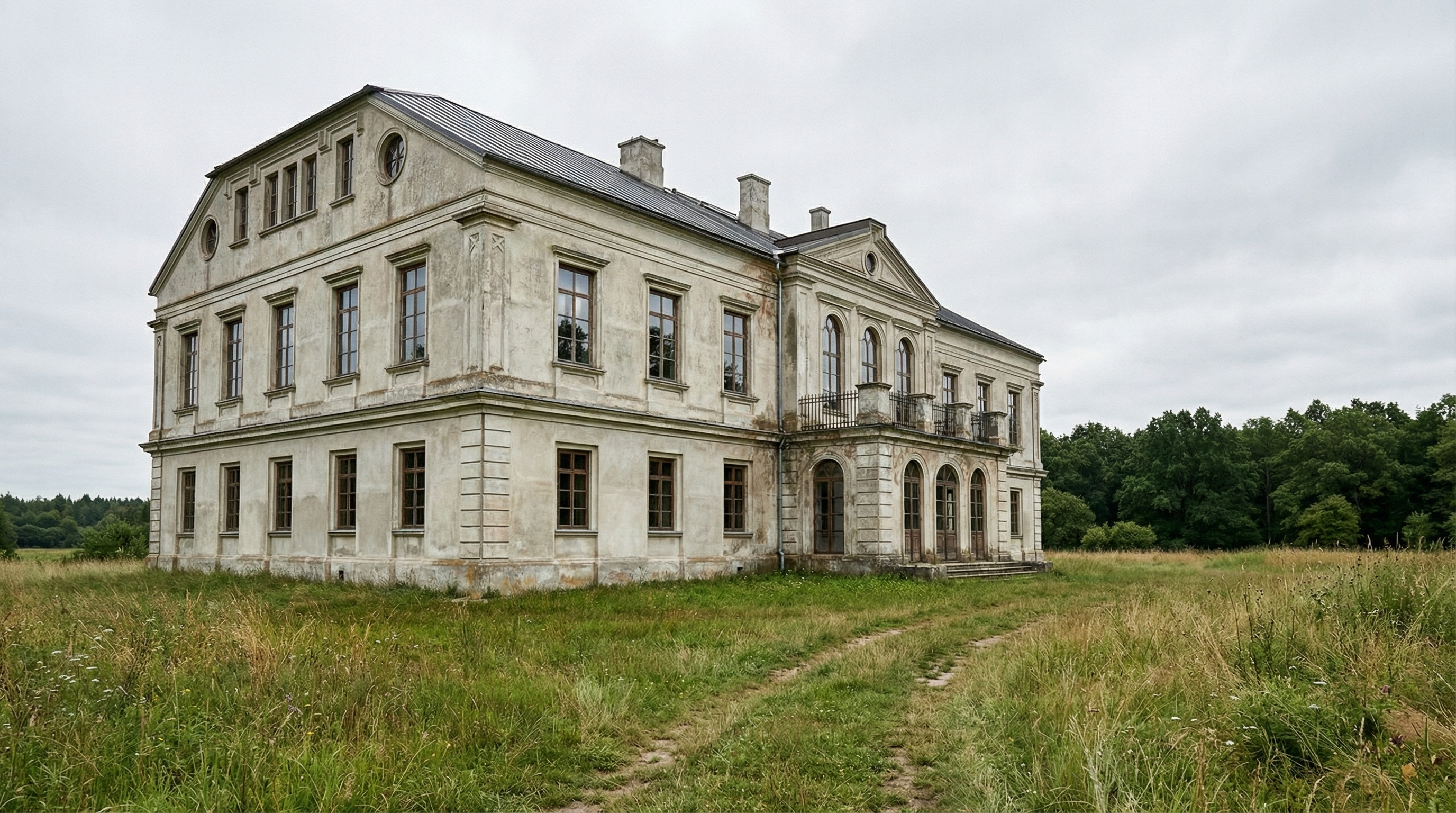
The Dvorec Jablanica was established in the early 17th century as a valley-based manor that replaced the medieval hilltop castle above the Reka valley.
Built in 1631 under the ownership of the Venetian patrician Emanuele De Fini, it became the administrative and economic center of the Jablanica–Gotnik estate.
Over time, the manor shifted from noble residence to managerial hub, before entering a long period of fragmentation, adaptation, and decline.
Today, its partially collapsed remains reflect the broader transformation and eventual dissolution of the rural estate system that once shaped the region.

Kalec Manor / Dvorec Kalec

Kalec Manor was a 17th-century fortified manor situated on a karst slope above the village of Bač, near the source area of the Pivka River.
Originally built as a noble seat, later a defensive position and crib of many important events in Slovenia’s history.
Associated with important cultural and political developments in the 19th century, particularly through the activities of Miroslav Vilhar and the Slovene national movement.
Although today only the round stone tower and fragments of walls remain, Kalec Manor is protected as a cultural heritage site and valued for its historical continuity, landscape setting, and role in shaping regional and national identity.

Alantės Manor / Alančių Dvaras

Plotted within a traditional rural landscape, the manor reflects centuries of noble life, agriculture, and architectural development in Lithuania.
Alančių dvaras (Alančiai Manor) is a historic Lithuanian manor estate which origins could be traced up to the 16th Century.
Once a prosperous estate with a landscaped park and extensive lands, the Manor’s fate declined after Soviet nationalization in 1940.
Today, it awaits as a protected cultural heritage site, valued for its memories of its legacy of prosperity and samaritanism in times of hardship.

Hunting Lodge Nadlišek / Lovski Dvorec Pajkovo

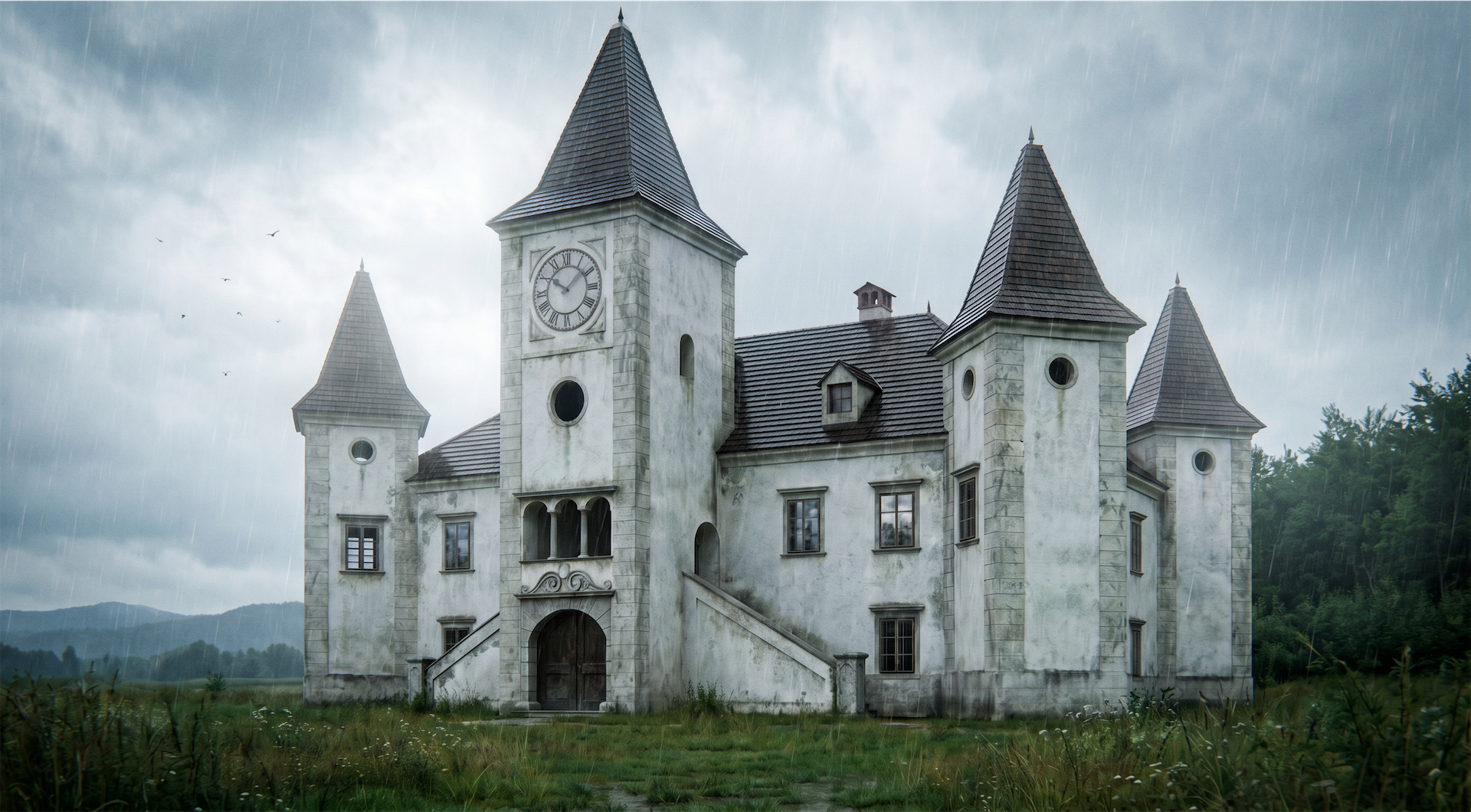
The Nadlišek Manor (Pajkovo) was a Baroque-era rural residence established in the late 17th century by the Counts of Turjak (Auersperg family) after the abandonment of the medieval hilltop fortress above it.
Built as a hunting lodge and estate center, the manor reflected the shift from defensive strongholds to practical noble residences adapted to forestry, agriculture, and seasonal use.
Destroyed during World War II and never rebuilt, the site today survives only through scattered foundations, a former caretaker’s house, and its inclusion in local cultural and hiking routes, preserving its historical presence within the landscape rather than through standing architecture.

Povir Fortress / Povirski Tabor

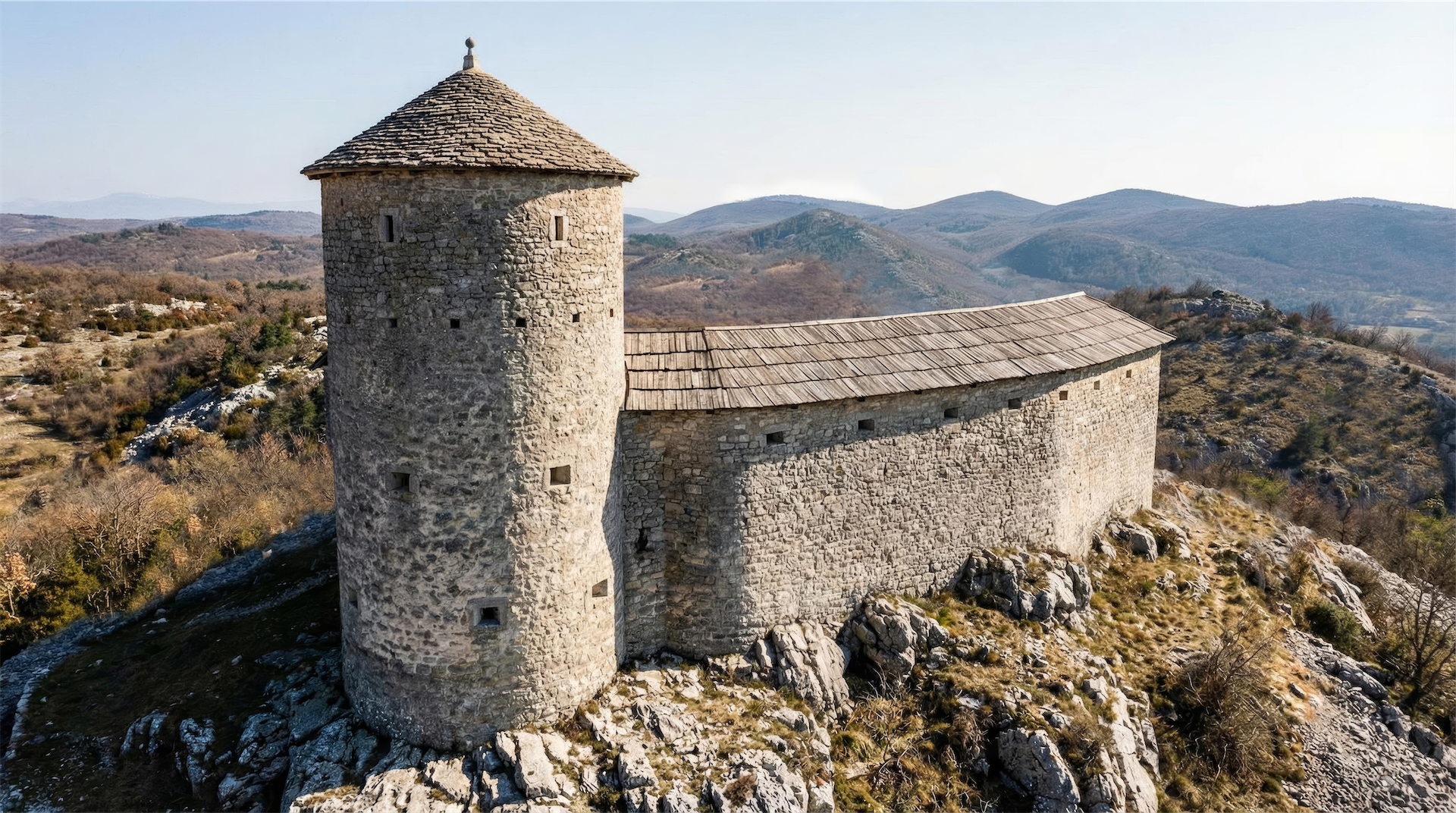
The Tabor Povir was a late-medieval communal refuge tower built at the end of the 15th century on the hill above the village of Povir.
Erected during the period of Ottoman incursions, it formed part of a regional network of tabori designed to shelter rural populations and enable signaling across the Karst landscape.
Never intended as a noble residence, the tower functioned as a temporary defensive post and gathering point. Abandoned after the frontier shifted and later destroyed during the Second World War, the site today survives through archaeological traces, documented research, and the enduring place-name that preserves its historical role

error: Copyright © 2026 Feniks Transcending Heritage. All Rights Reserved.