Jablanica Manor / Dvorec Jablanica

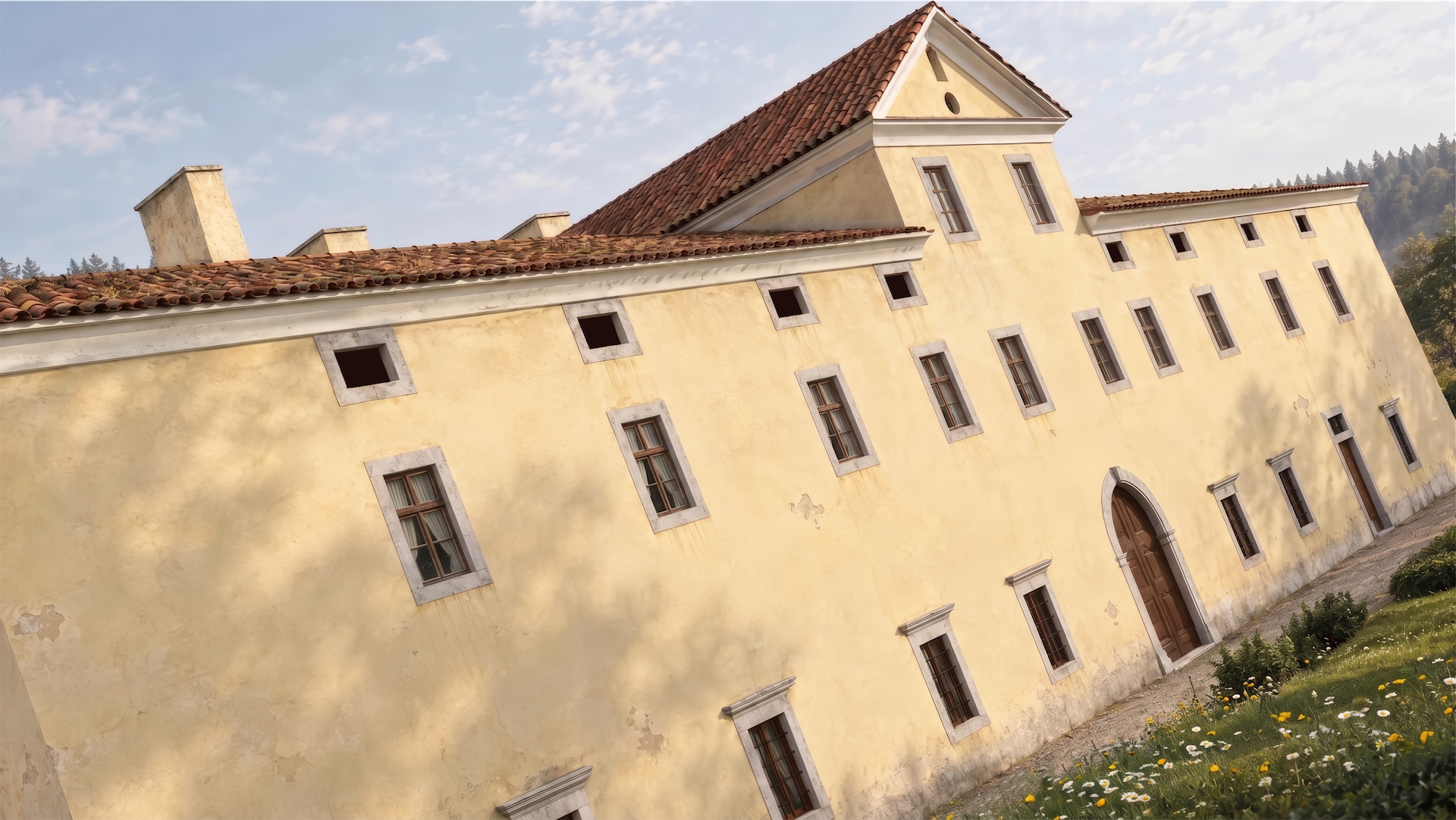
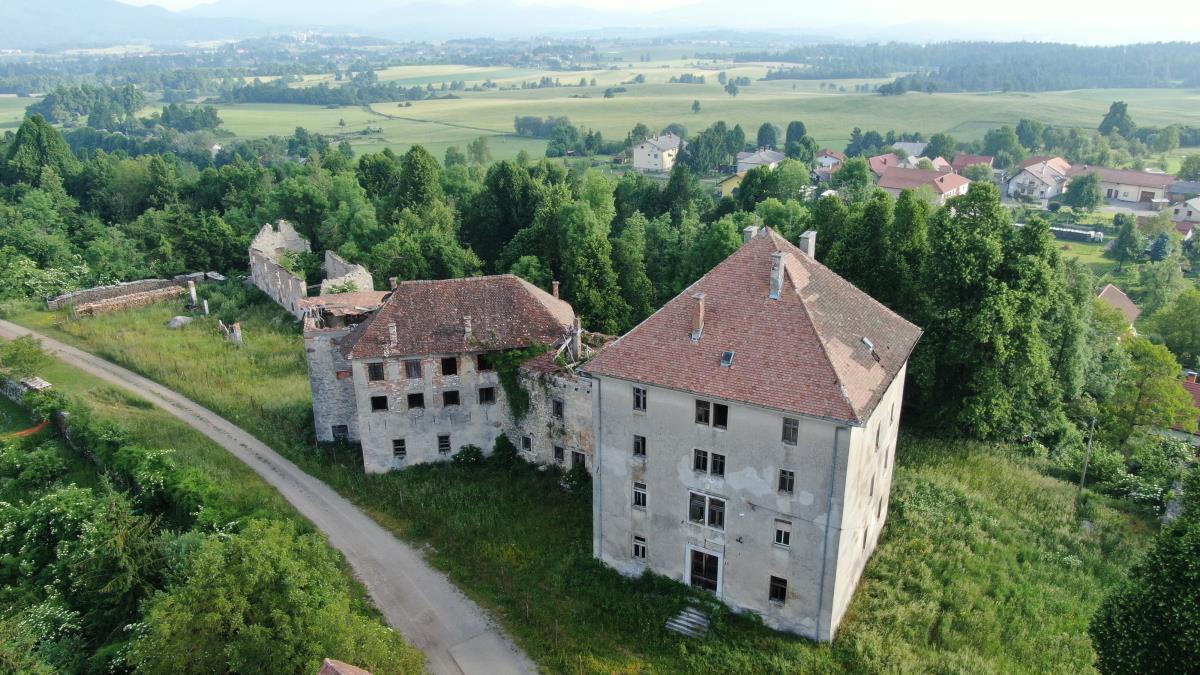
The Dvorec Jablanica was established in the early 17th century as a valley-based manor that replaced the medieval hilltop castle above the Reka valley.
Built in 1631 under the ownership of the Venetian patrician Emanuele De Fini, it became the administrative and economic center of the Jablanica–Gotnik estate.
Over time, the manor shifted from noble residence to managerial hub, before entering a long period of fragmentation, adaptation, and decline.
Today, its partially collapsed remains reflect the broader transformation and eventual dissolution of the rural estate system that once shaped the region.
Kalec Manor / Dvorec Kalec

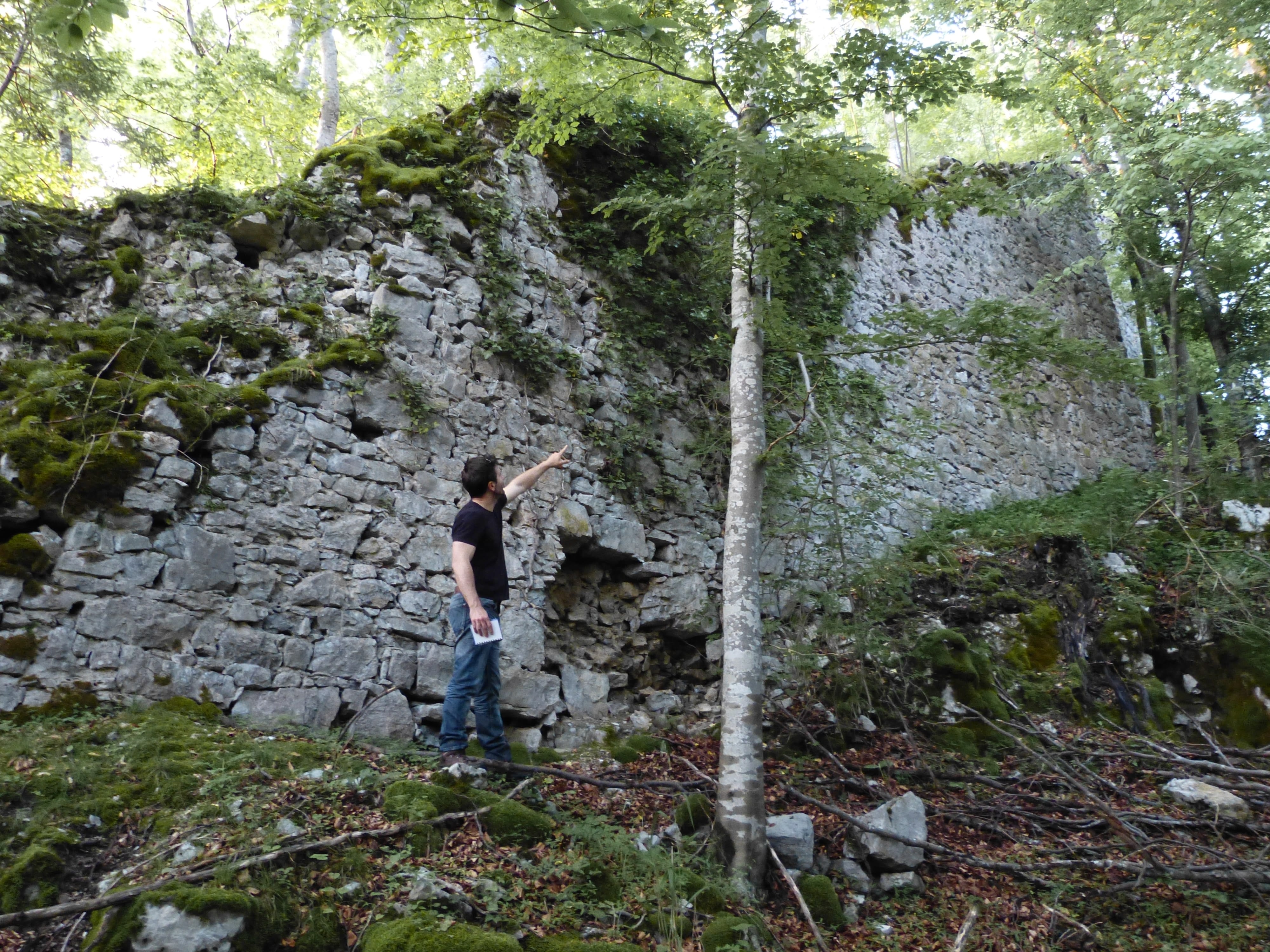
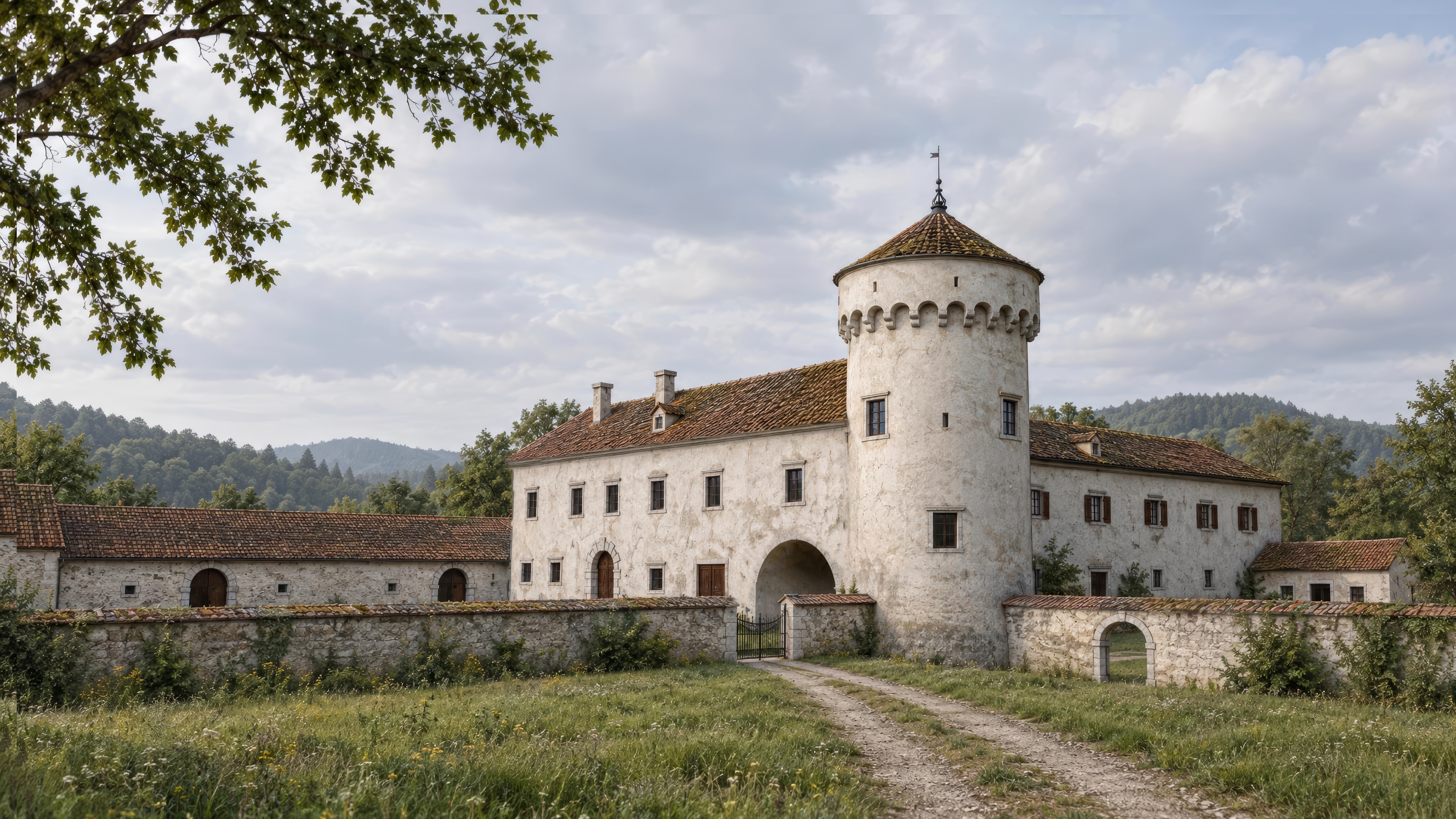
Kalec Manor was a 17th-century fortified manor situated on a karst slope above the village of Bač, near the source area of the Pivka River.
Originally built as a noble seat, later a defensive position and crib of many important events in Slovenia’s history.
Associated with important cultural and political developments in the 19th century, particularly through the activities of Miroslav Vilhar and the Slovene national movement.
Although today only the round stone tower and fragments of walls remain, Kalec Manor is protected as a cultural heritage site and valued for its historical continuity, landscape setting, and role in shaping regional and national identity.

Interview for Radio 94 Postojna about Orehek Castle

In this interview for Radio 94, Juan P. Maschio and Maruša Mele Pavlin discussed the critical condition of Orehek Castle, using it as a starting point to reflect on the value of cultural heritage and to compare preservation practices in Slovenia with those observed across the Balkans, Eastern Europe, and the Baltic countries.

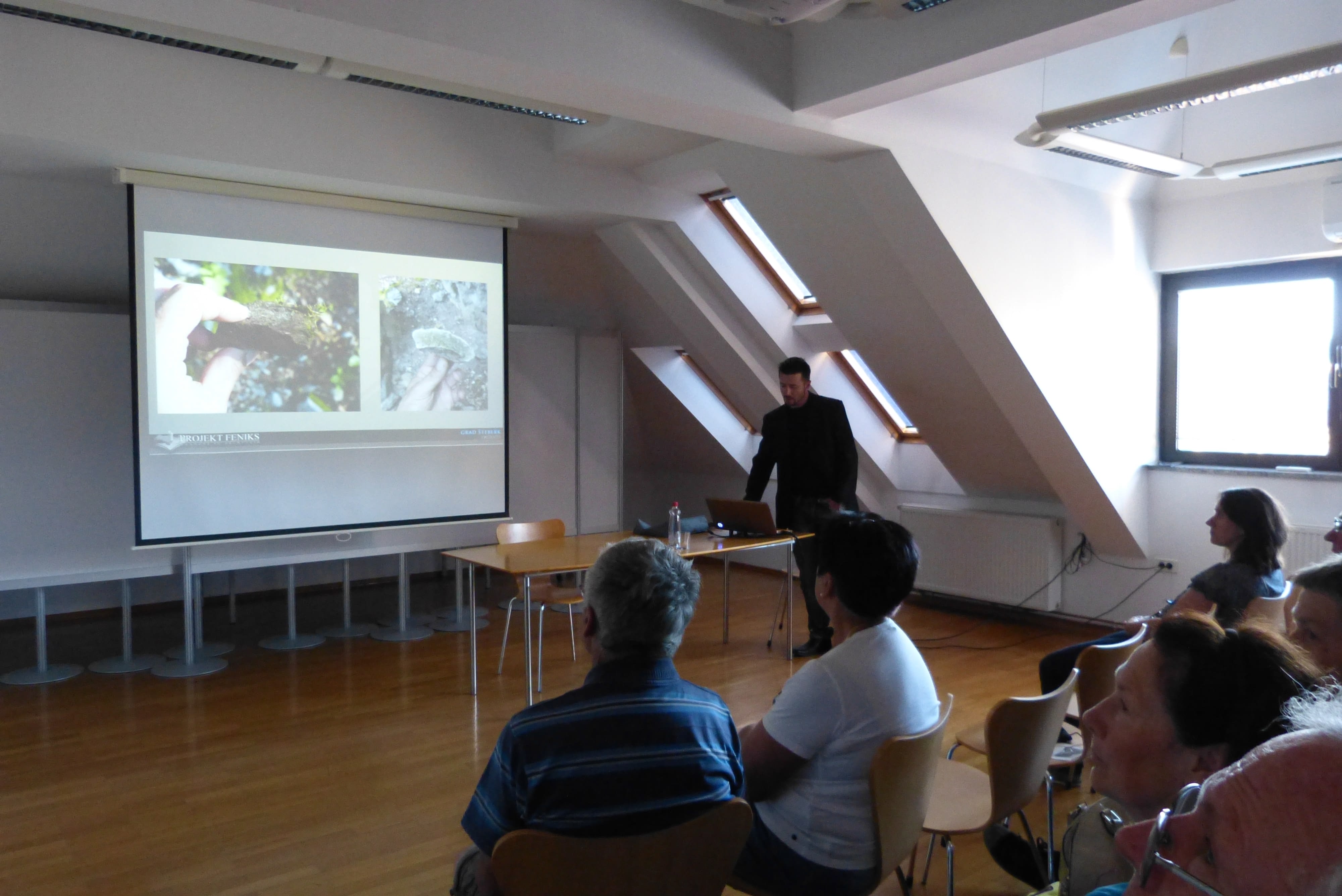
Presentation of Šteberk Castle Project in Cerknica

After extensive research and reconstruction work, Juan P. Maschio presented the digital reconstruction of Šteberk Castle in Cerknica, drawing strong interest from the local community. The event not only revealed the castle’s former appearance, but also encouraged dialogue and the sharing of local knowledge, highlighting the close connection between the site and its community.

Interview on Radio 94 about Kalec Castle (Slovenia)

In this interview on Radio 94, Maruša Mele Pavlin spoke with Juan P. Maschio about Grad Kalec (Kalec Castle), discussing the critical state of Slovenian cultural heritage and possible approaches to its preservation and long-term care.

Interview for Notranjsko Primorske novice newspaper

On 22 June, Notranjsko Primorske Novice published an article on Haasberg Palace, featuring an interview by Petra Terček with Juan Pablo Maschio during the Haasberg reconstruction exhibition. The piece highlights the palace’s historical significance, the research behind its digital reconstruction, and broader reflections on heritage preservation in the region.

Interview for Radio 94 Postojna about Haasberg Palace

On Wednesday, 17 June, Juan P. Maschio was interviewed by Maruša Mele Pavlin on Radio 94 about the reconstruction of Haasberg Palace. The conversation focused on the research and digital reconstruction work carried out within Projekt Feniks, as well as the historical and cultural significance of the site. The interview offered listeners insight into the challenges of preserving heritage and the importance of raising awareness about Slovenia’s architectural legacy.

Exhibition of Haasberg Reconstruction at TIC Postojna – Slovenia

An evening in Planina and Postojna brought together members of the local community to rediscover Haasberg Palace through its digital reconstruction. The presentation focused not only on the history of the palace, but also on its importance for local identity and the need to work toward its recovery.

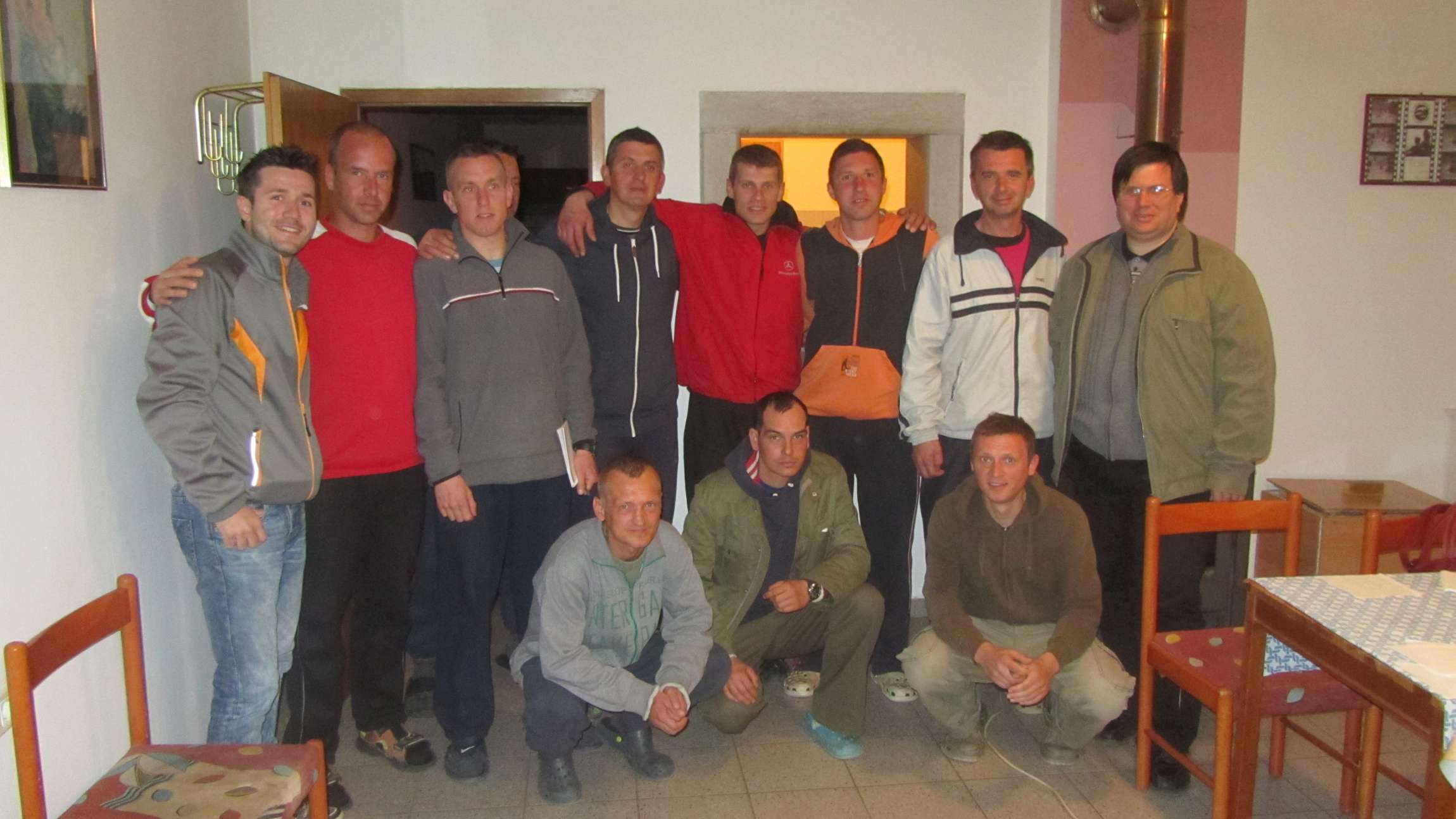
Presentation for Rehabilitation Center Skupnosti Srečanje in Vremski Britof

At the Rehabilitation Center Skupnosti Srečanje in Vremski Britof, Juan P. Maschio presented the reconstruction of Školj Castle following recent voluntary work at the site. The event highlighted the impact of community effort in cleaning and preserving the castle and emphasized the value of engagement and shared responsibility in cultural heritage.

error: Copyright © 2026 Feniks Transcending Heritage. All Rights Reserved.