– Alantės Manor –
A Marooned Coffer of Memories
(Alančių Dvaras, Alantės Dvaras)
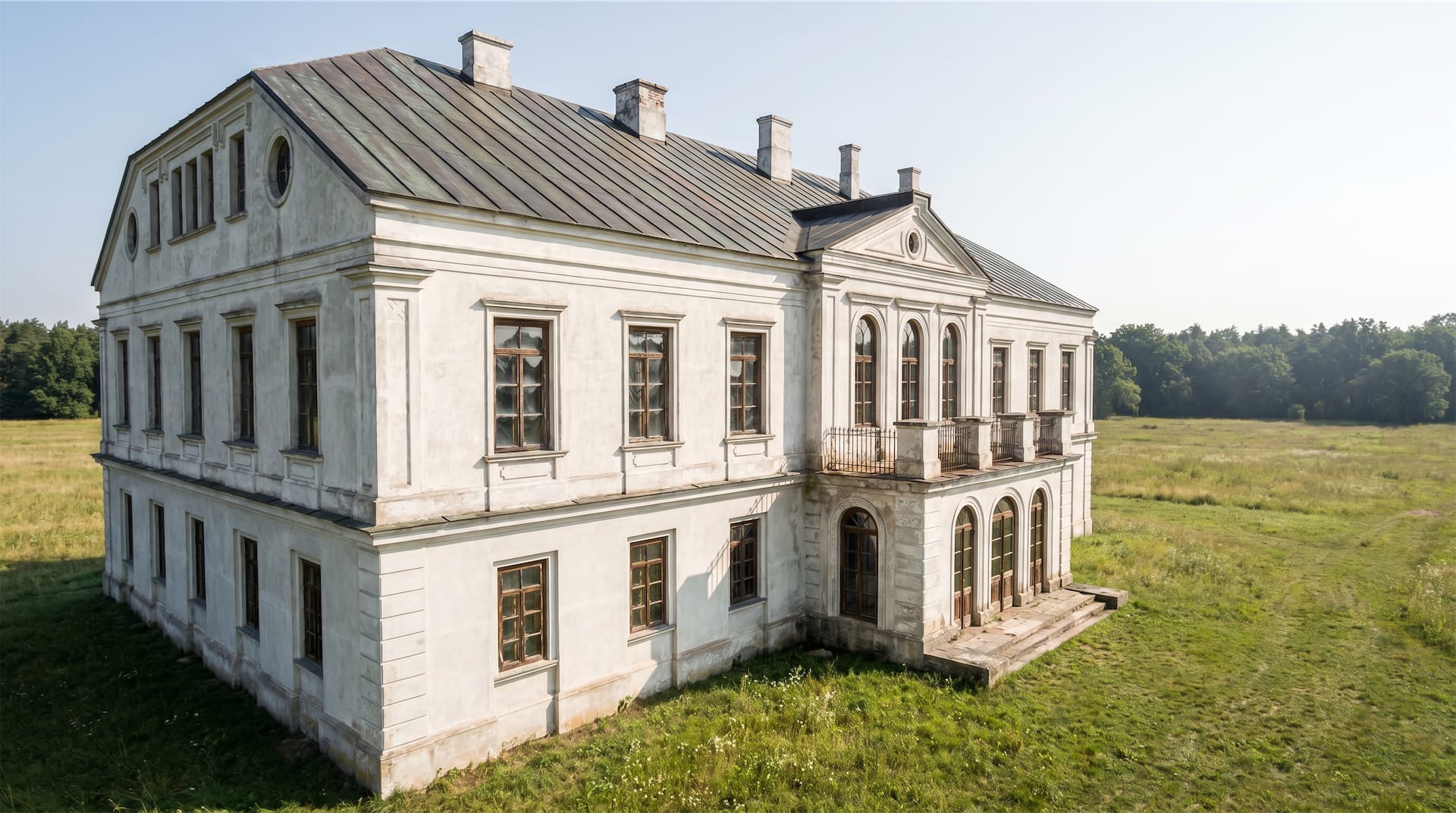
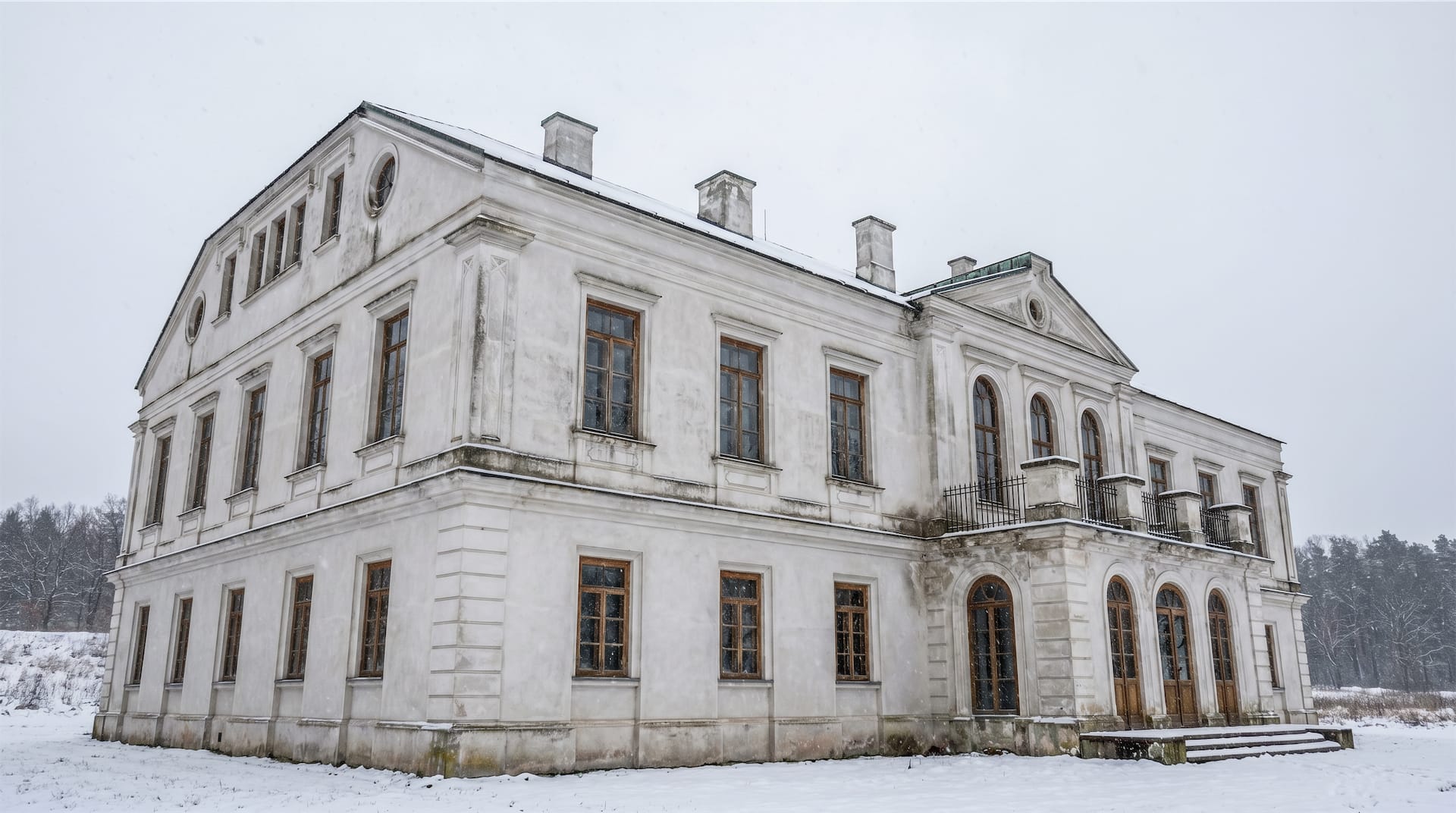
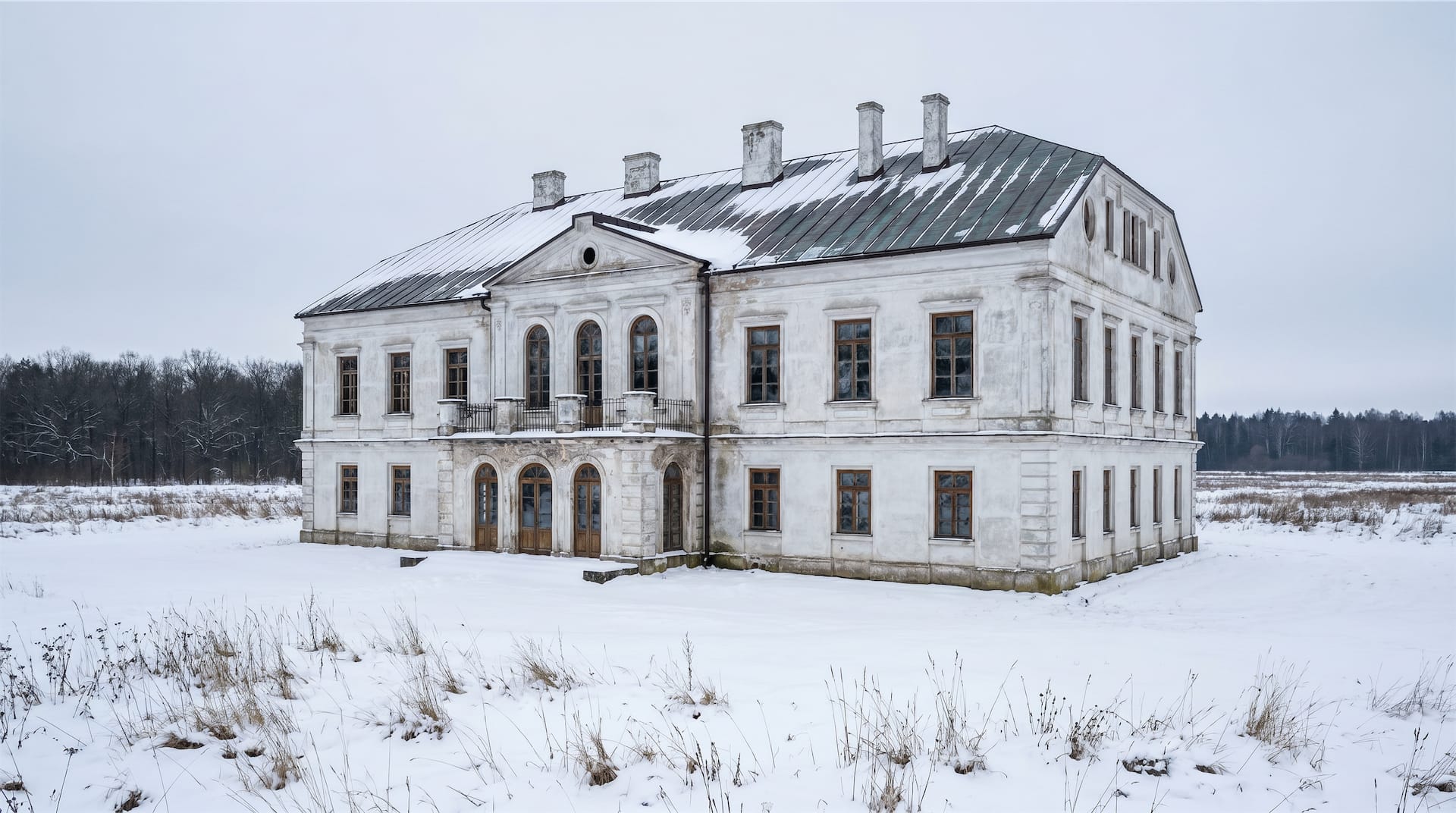
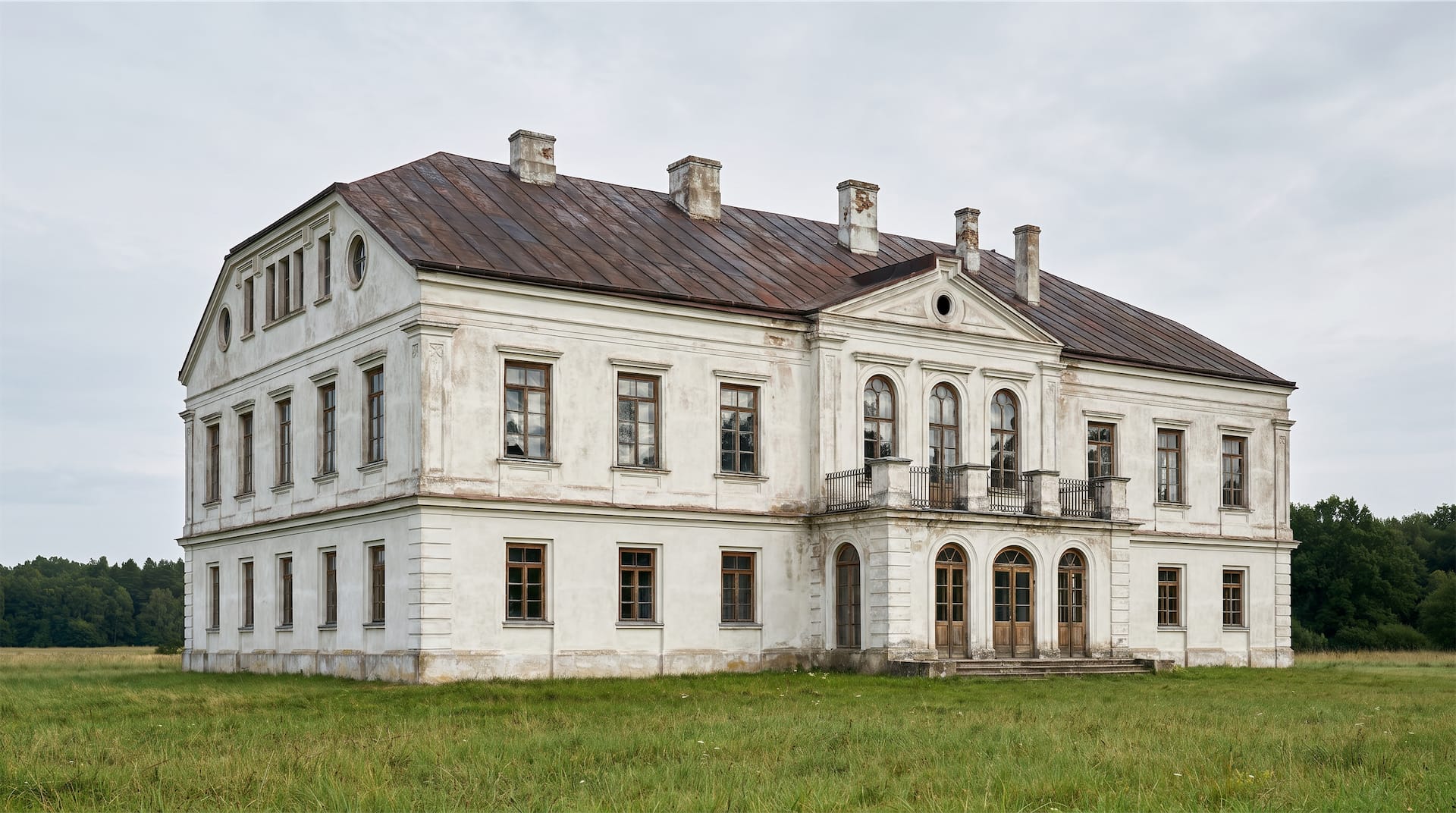
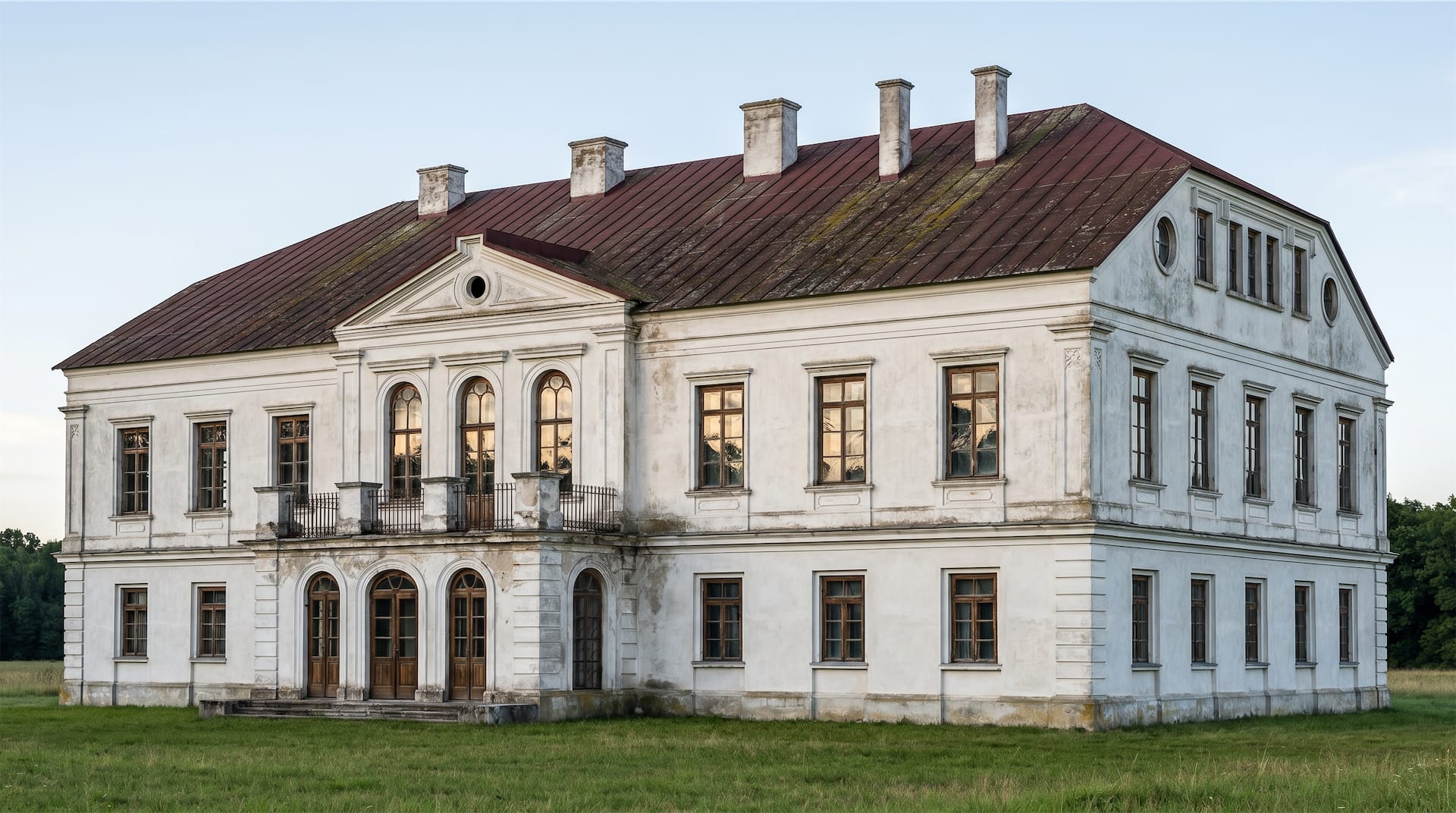
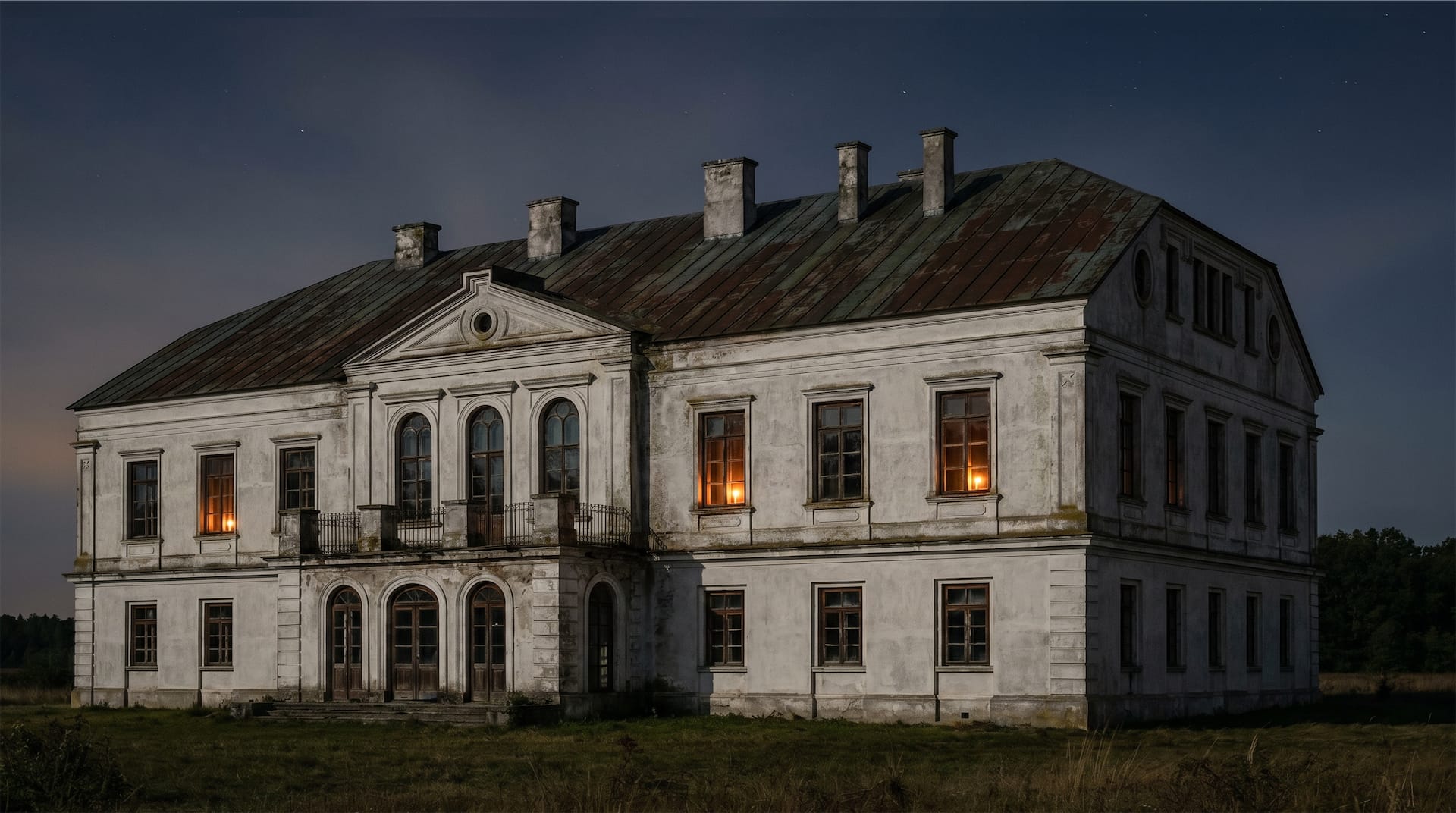
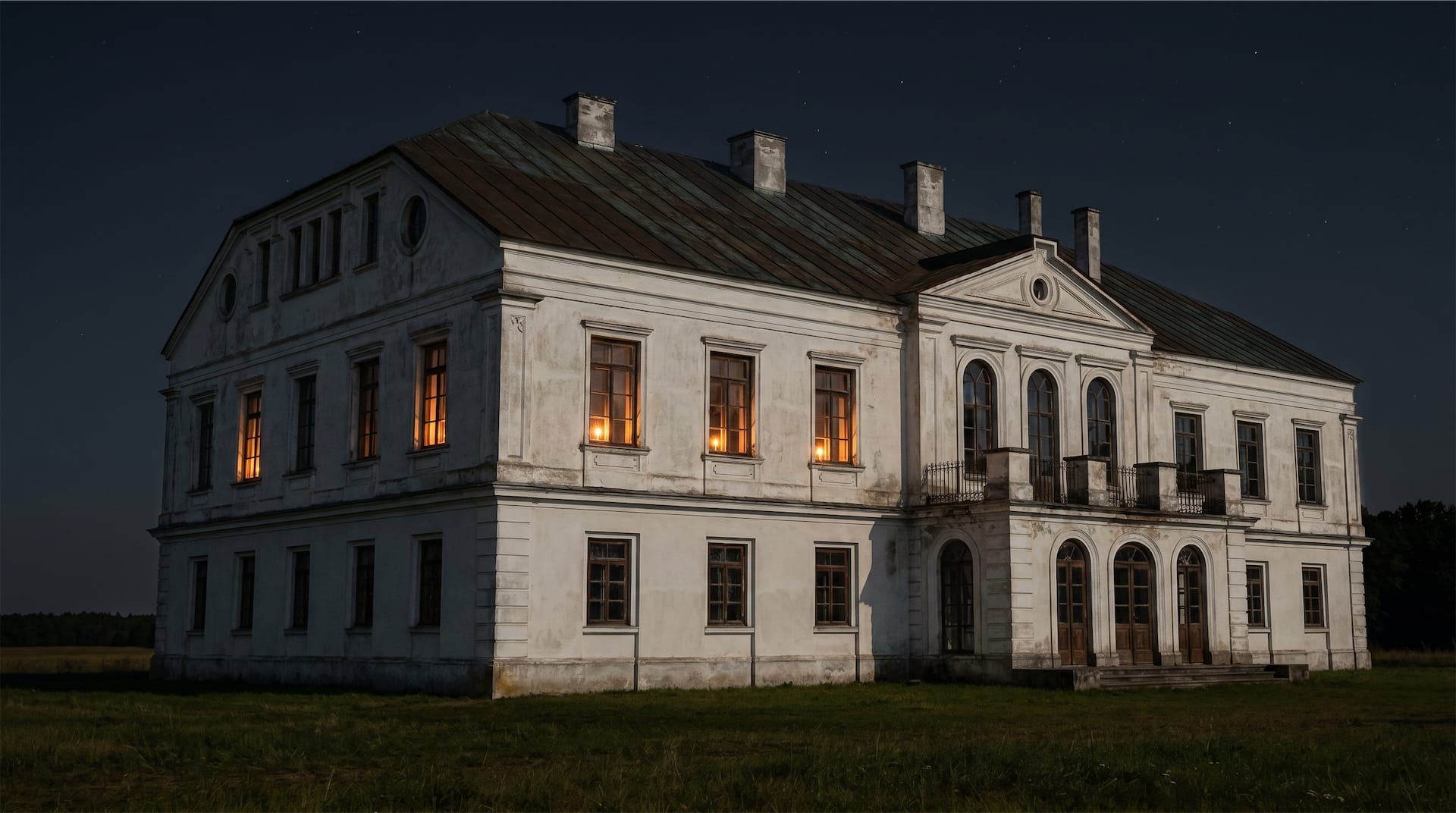
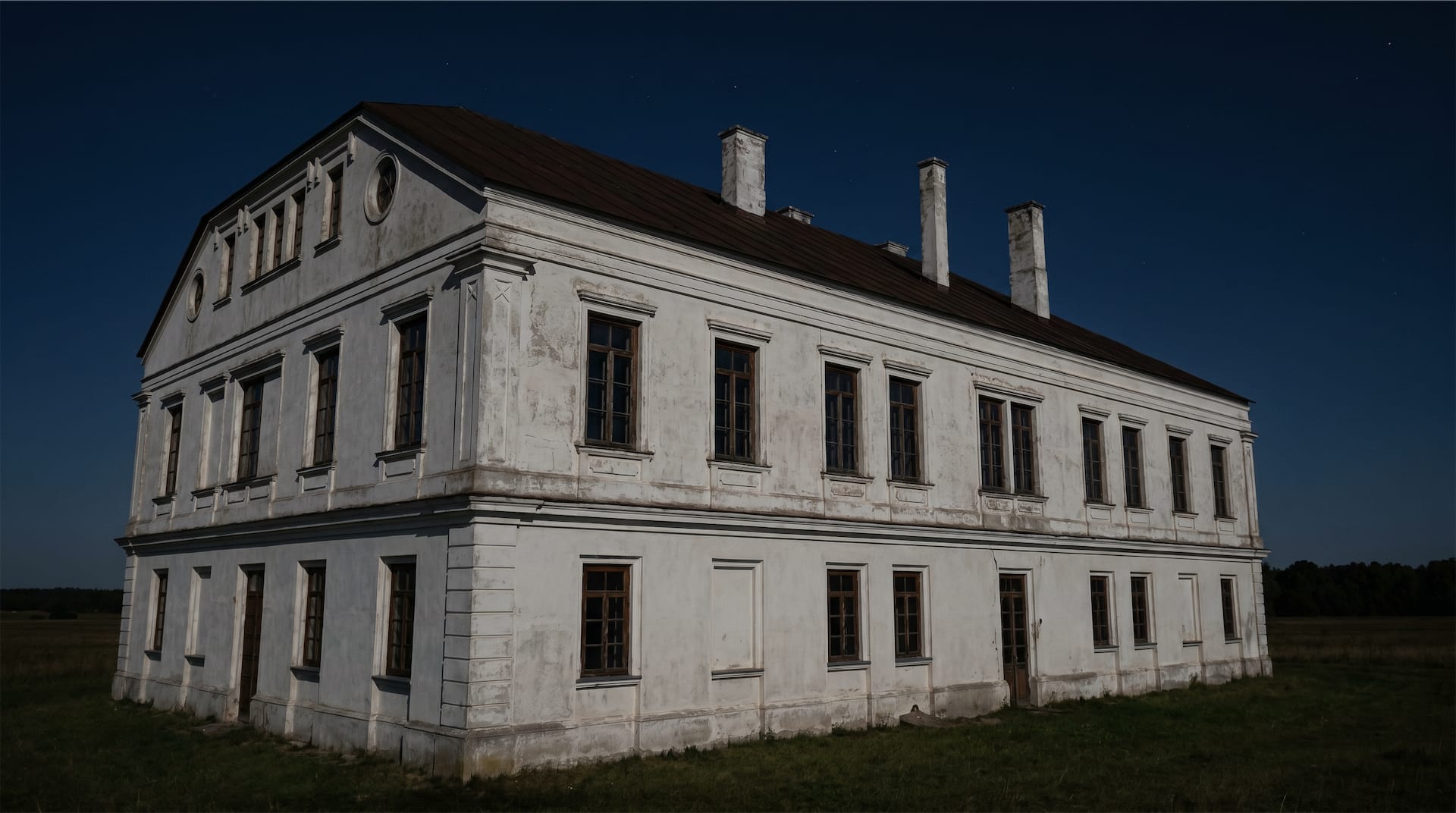
Alančių dvaras, also known as Alančiai Manor, is a historic Lithuanian manor estate first mentioned in written sources in the 16th century.
Located in a rural landscape traditionally shaped by noble landownership, the manor reflects the long history of architecture, agriculture, and social life in Lithuania.
Over the centuries, Alančių Manor developed from a feudal agricultural estate into a large noble residence, before falling into decline during the 20th century.
The manor’s long lifespan makes it an important witness to major historical changes, including shifts in political power, land reforms, and cultural traditions. Today, Alančių dvaras is valued not only for its ruins but also for its historical narrative, which connects local history with broader European events.





Brief Historical Overview
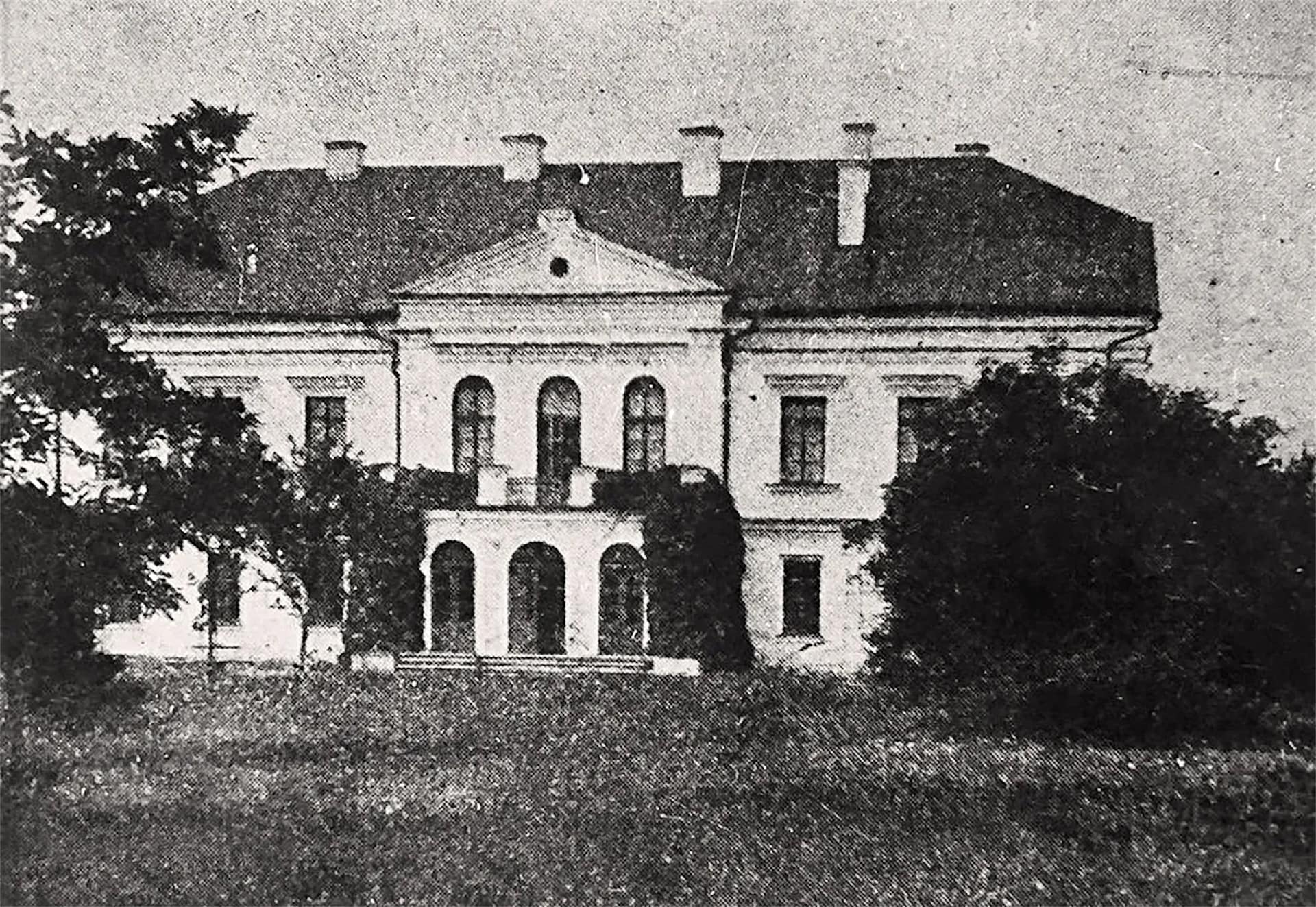
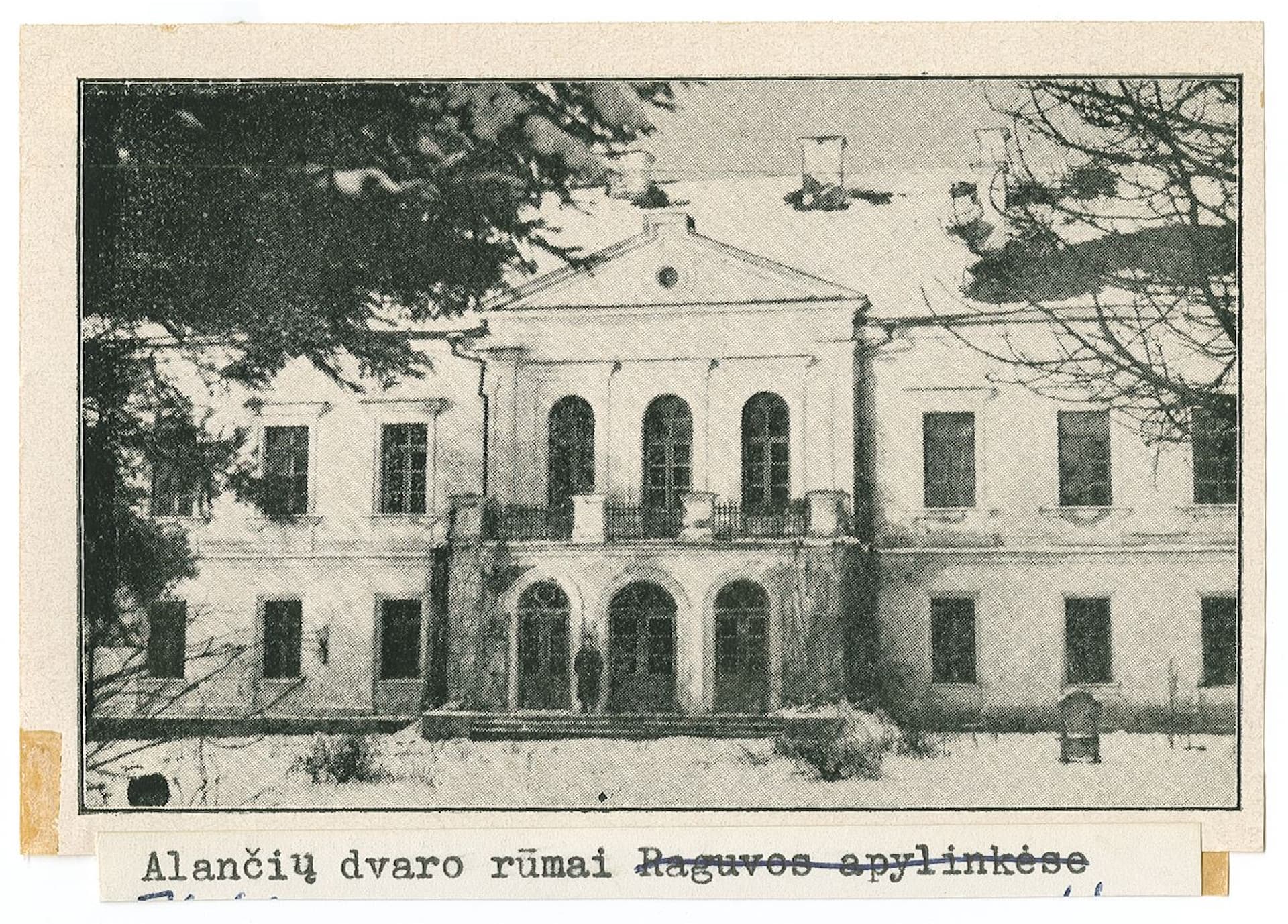
Alančių Manor is first recorded in 1569, during the period of the Grand Duchy of Lithuania, when it was transferred from the Žilinskiai family to a Vilnius court official. In its early phase, the manor functioned mainly as an agricultural estate supported by peasant labor. Historical documents show several variations of the manor’s name, reflecting the multilingual administrative environment of the region.
During the 17th century, the estate expanded under the Širvinskas family through the acquisition of nearby lands. This growth took place despite regional instability caused by wars and economic difficulties affecting much of the Polish–Lithuanian state.
In the 18th century, accumulated debts led to frequent changes in ownership. After the Third Partition of the Polish–Lithuanian Commonwealth in 1795, Alančių Manor became part of the Russian Empire, entering a new administrative and legal framework.
The 19th century marked the peak of Alančių Manor’s development. Under the ownership of Antanas Rudamina, the estate expanded into a large and well-organized manor complex with multiple residential and farm buildings, a landscaped park, and extensive landholdings. Alančių became one of the larger manor estates in the region, combining agriculture with estate-based production.
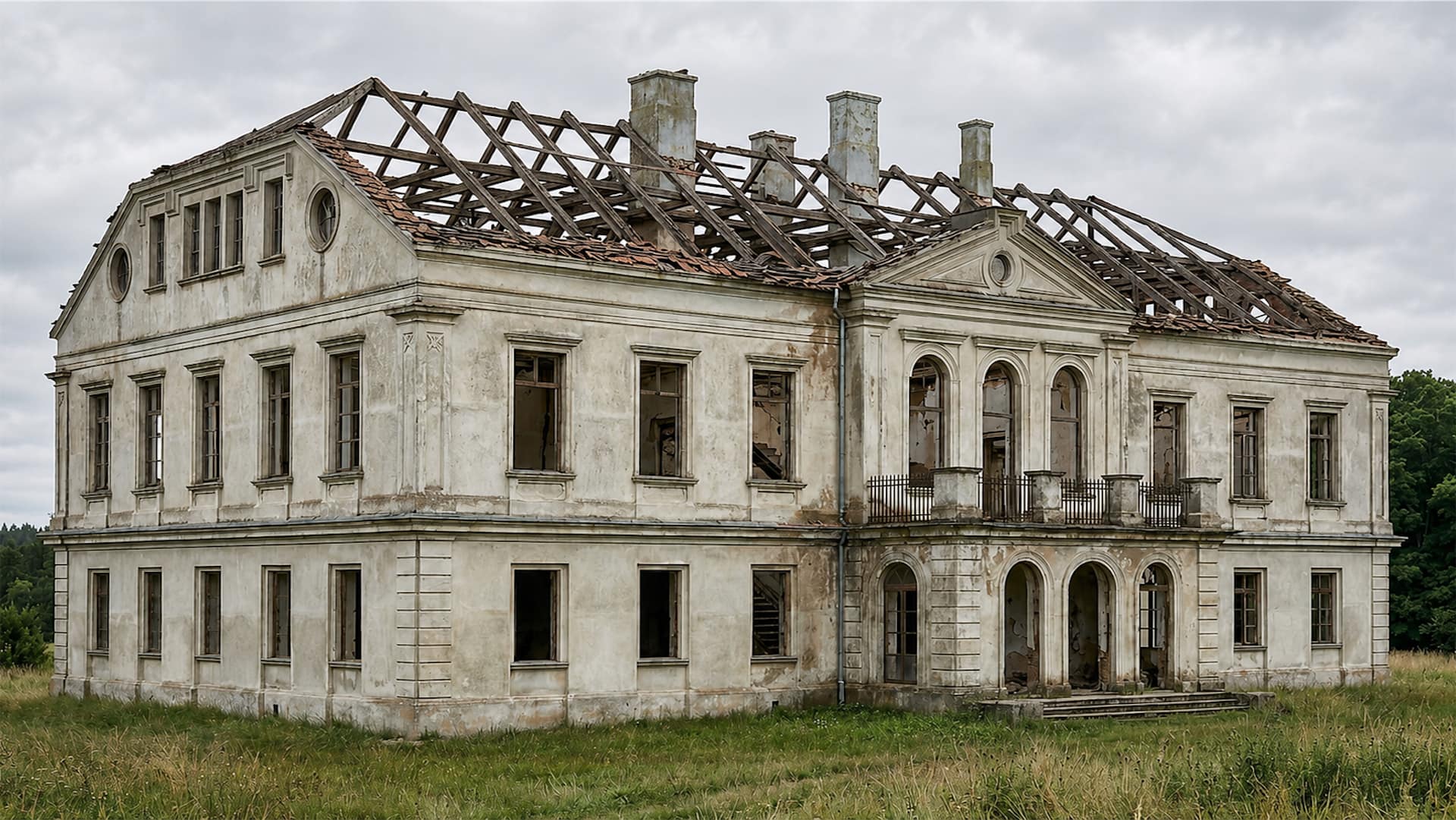
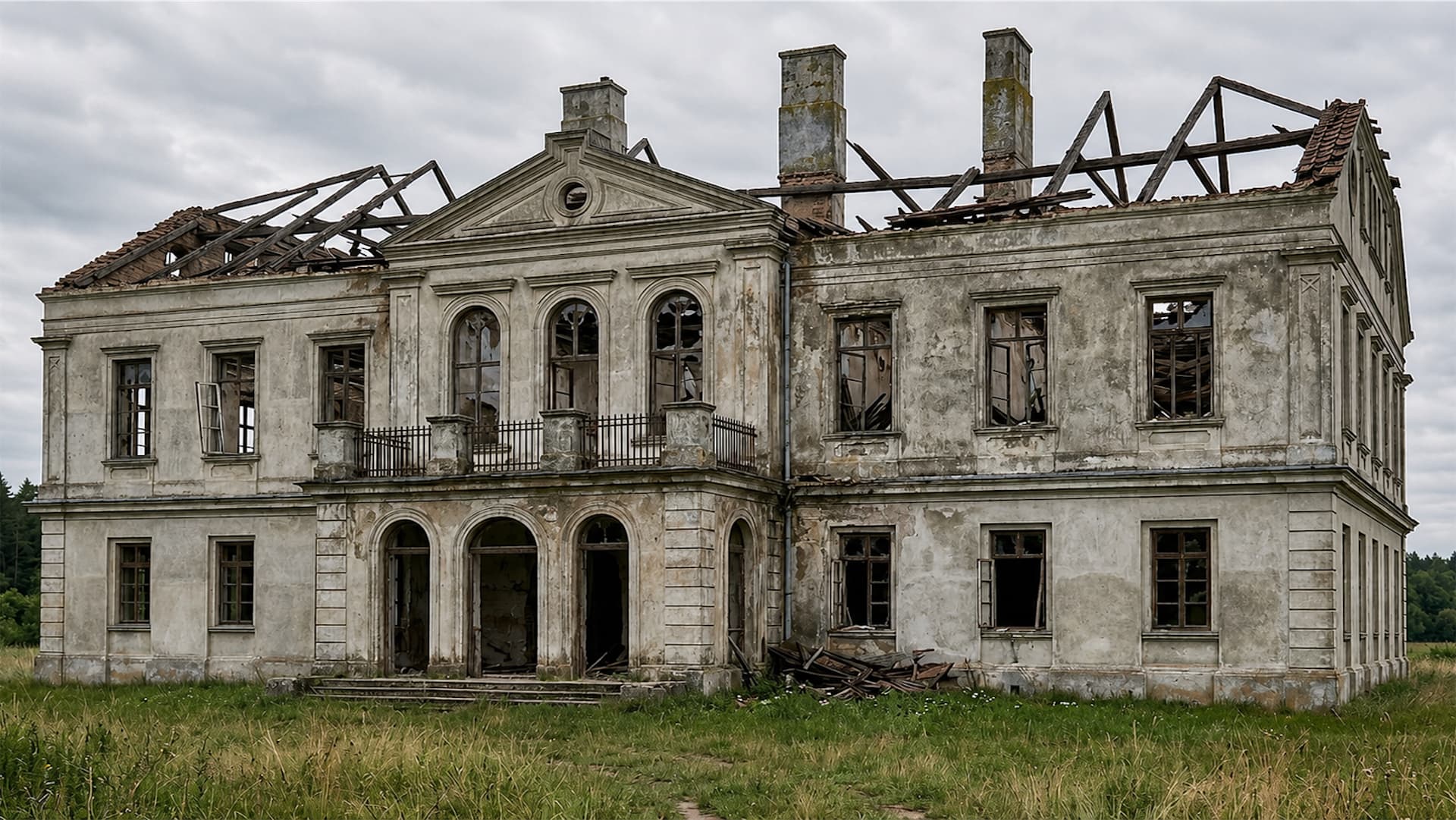
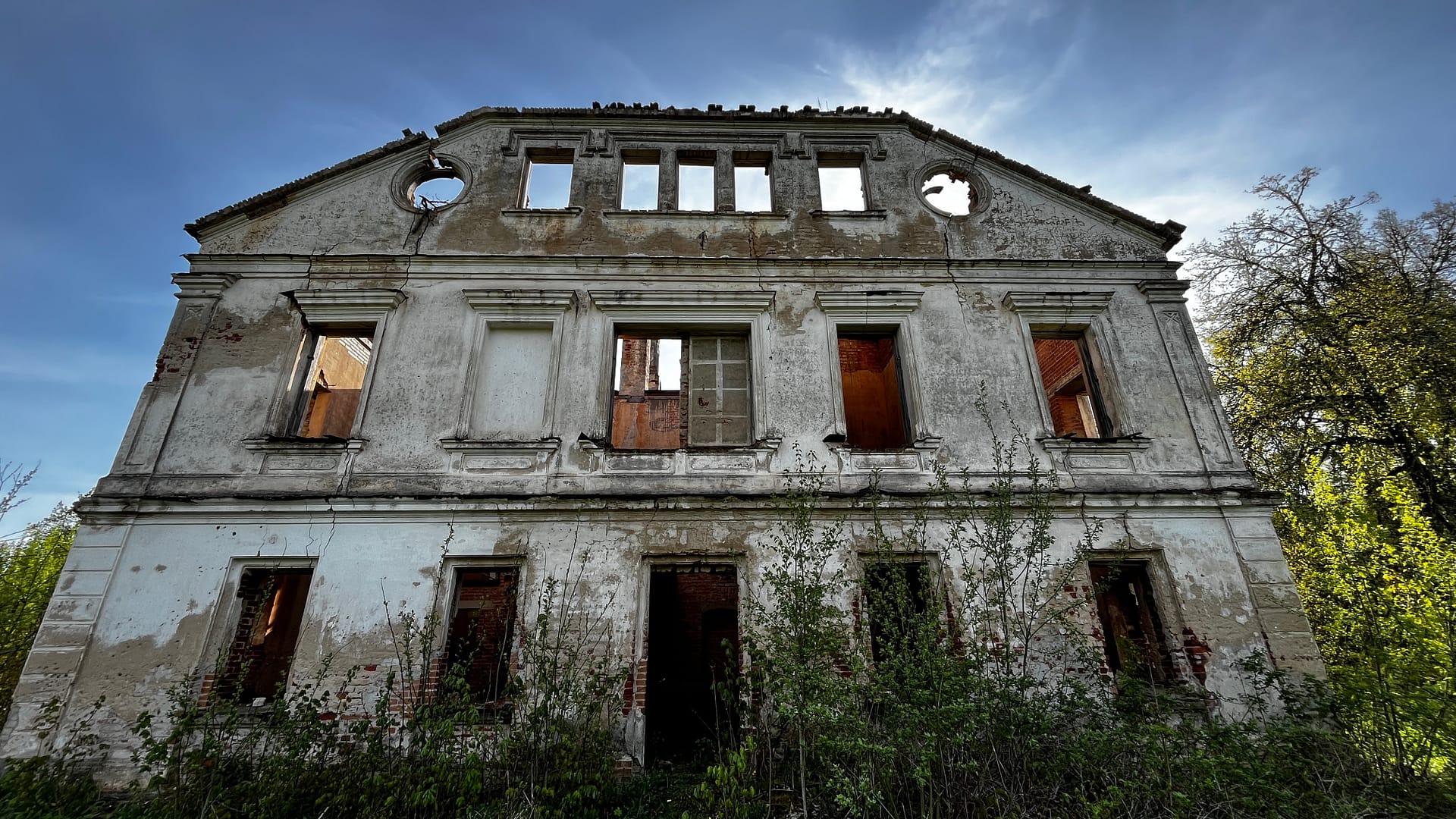
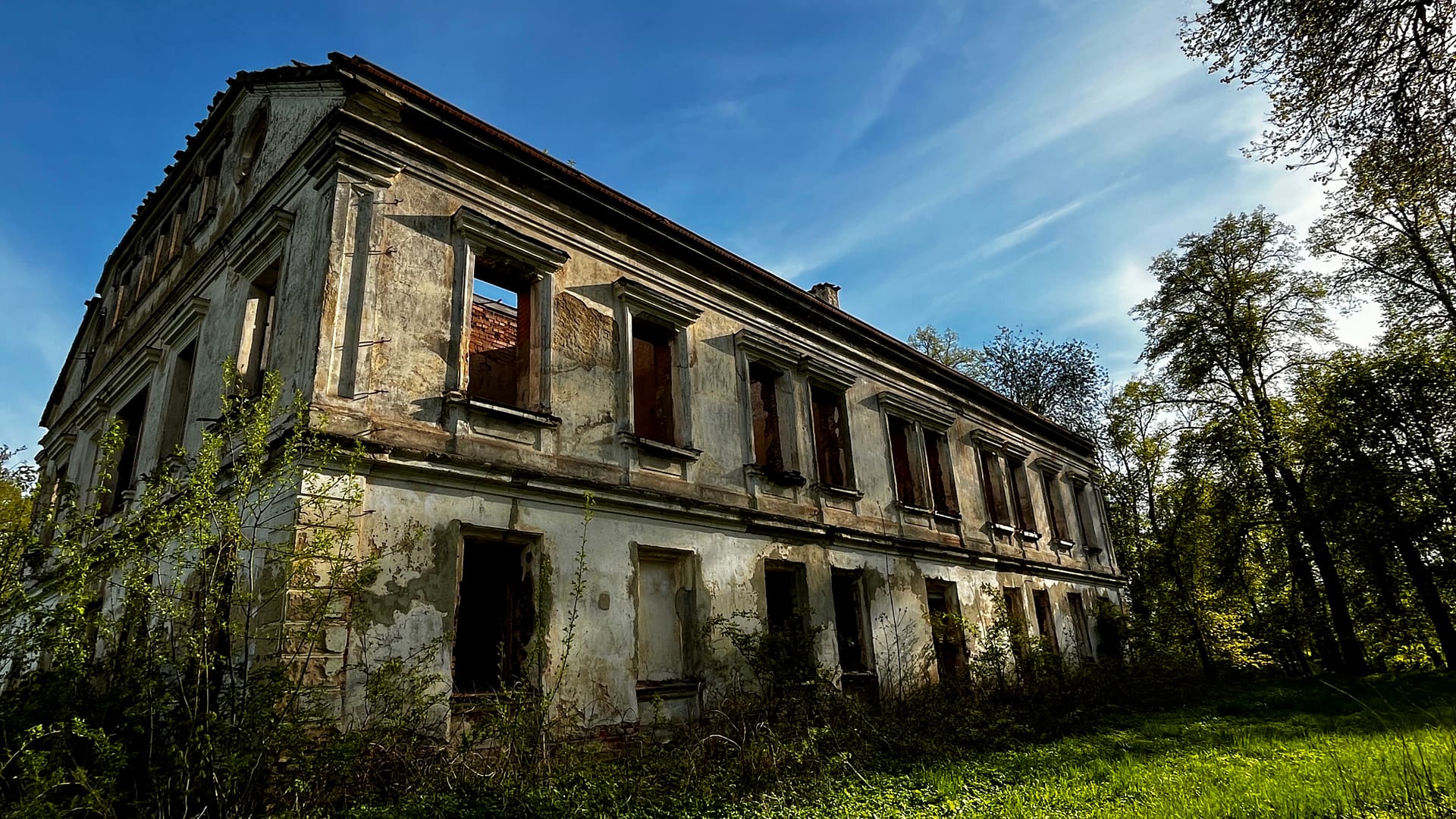
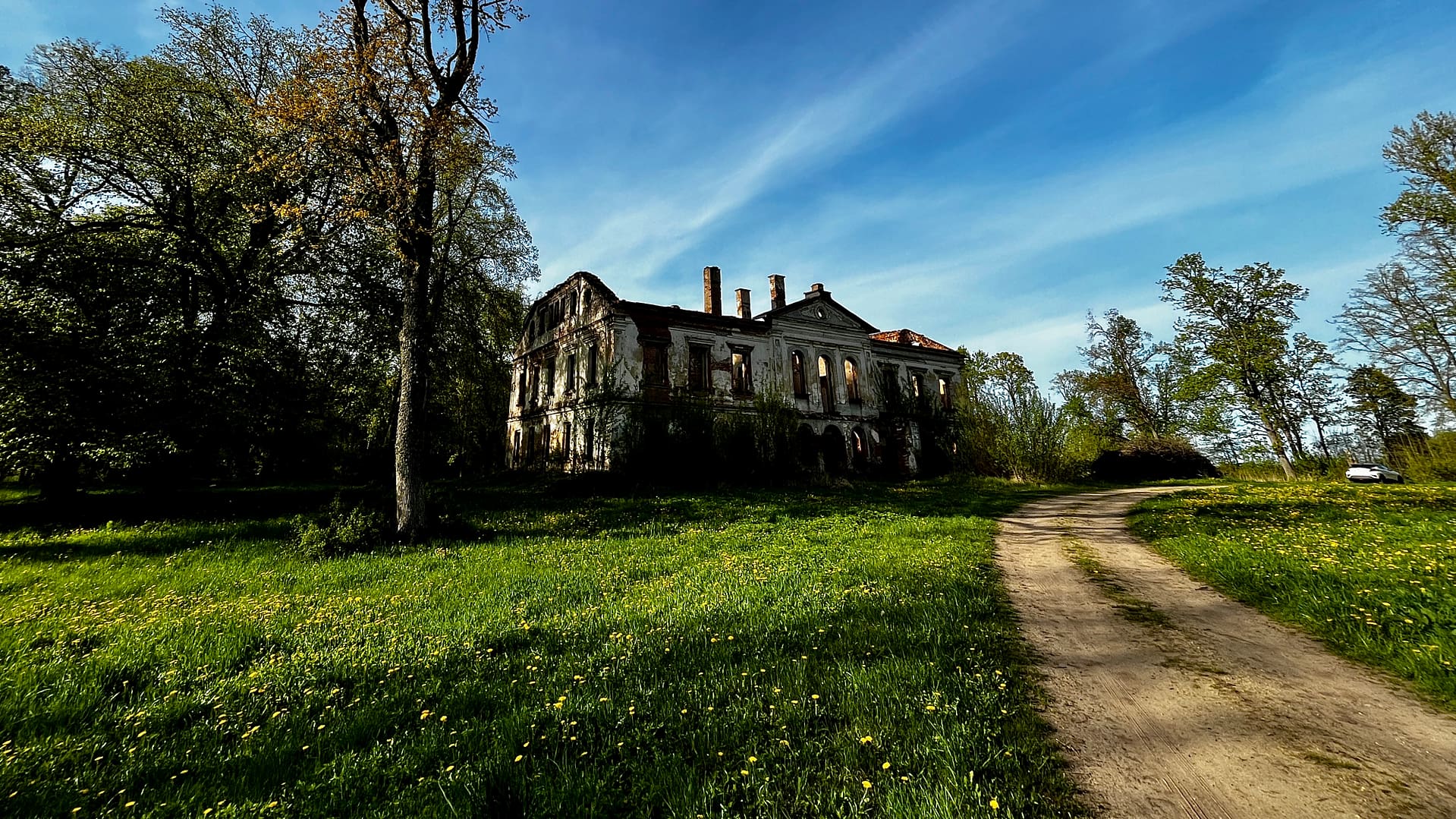
The 20th century brought decline. Although the manor was still active in the early 1900s and during the interwar period, Soviet nationalization in 1940 ended private ownership. The estate was abandoned, buildings deteriorated, and much of the complex fell into ruin.
( For the full history of Alančiai Manor click here )
Location and Strategic Placement
Alančių Manor was established in a fertile rural area, making it well suited for agriculture and long-term estate management. Its location allowed efficient use of surrounding fields, forests, and water resources, which were essential for sustaining both economic activity and daily life at the manor.
The estate’s position also supported control over nearby subsidiary lands, strengthening its role within the local region. Like many Lithuanian manor estates, Alančiai served not only as a residence but also as an administrative and economic center that shaped settlement patterns and rural development around it.
Architecturally and functionally, the manor complex was designed as a unified whole. The manor house, farm buildings, servants’ quarters, and landscaped park reflected a balance between practical needs and symbolic representation of noble status.
Current Status
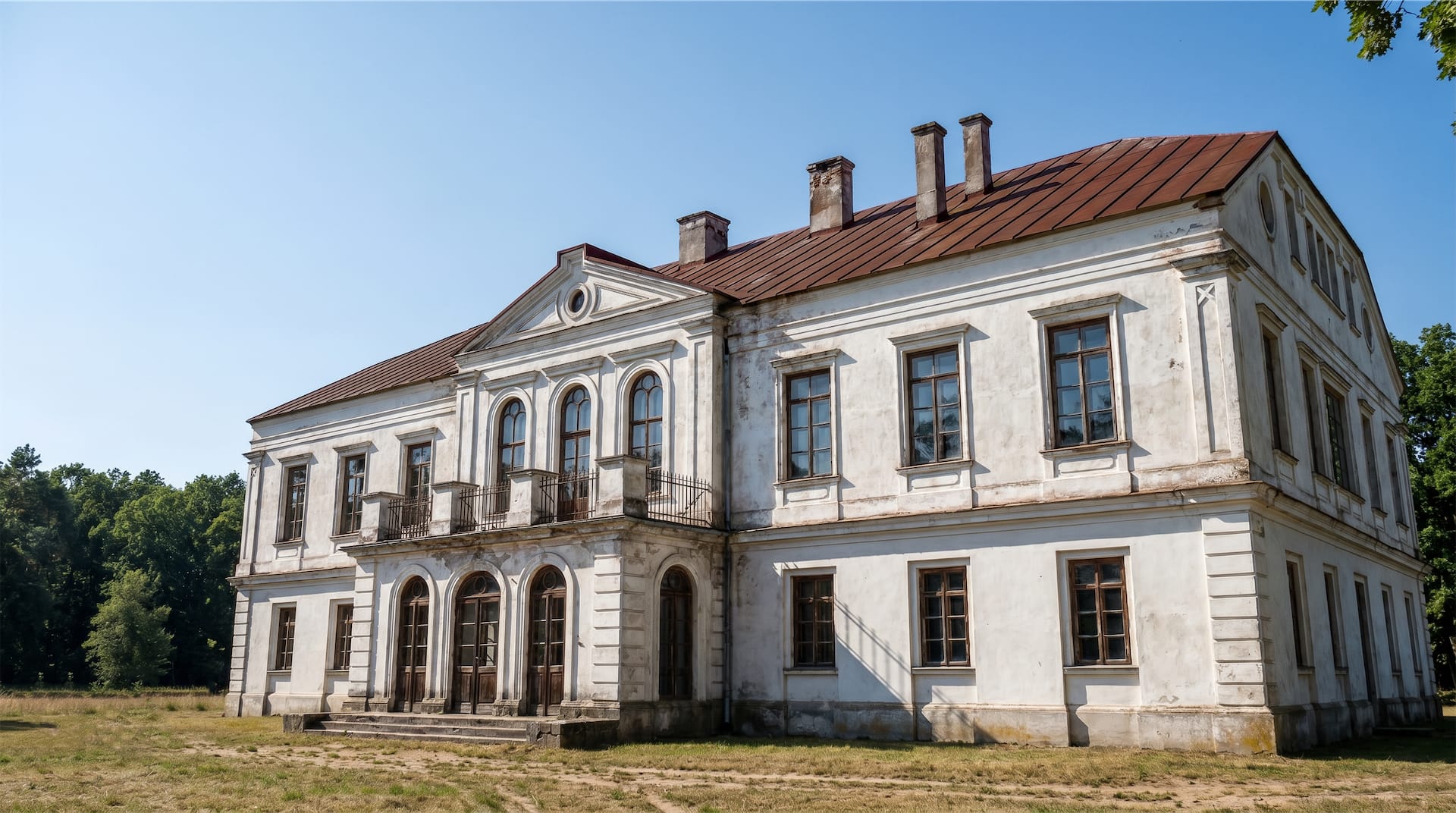
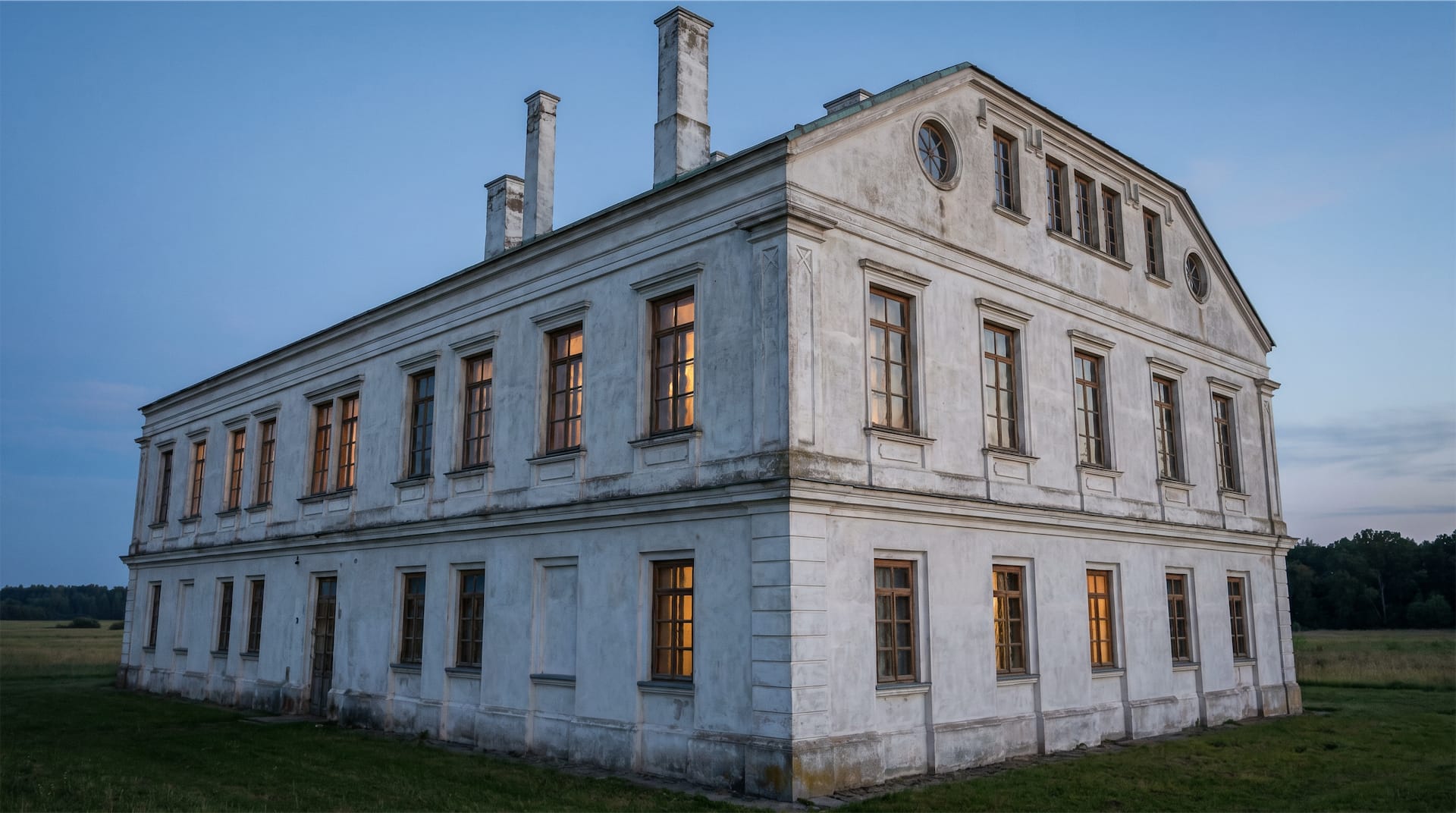
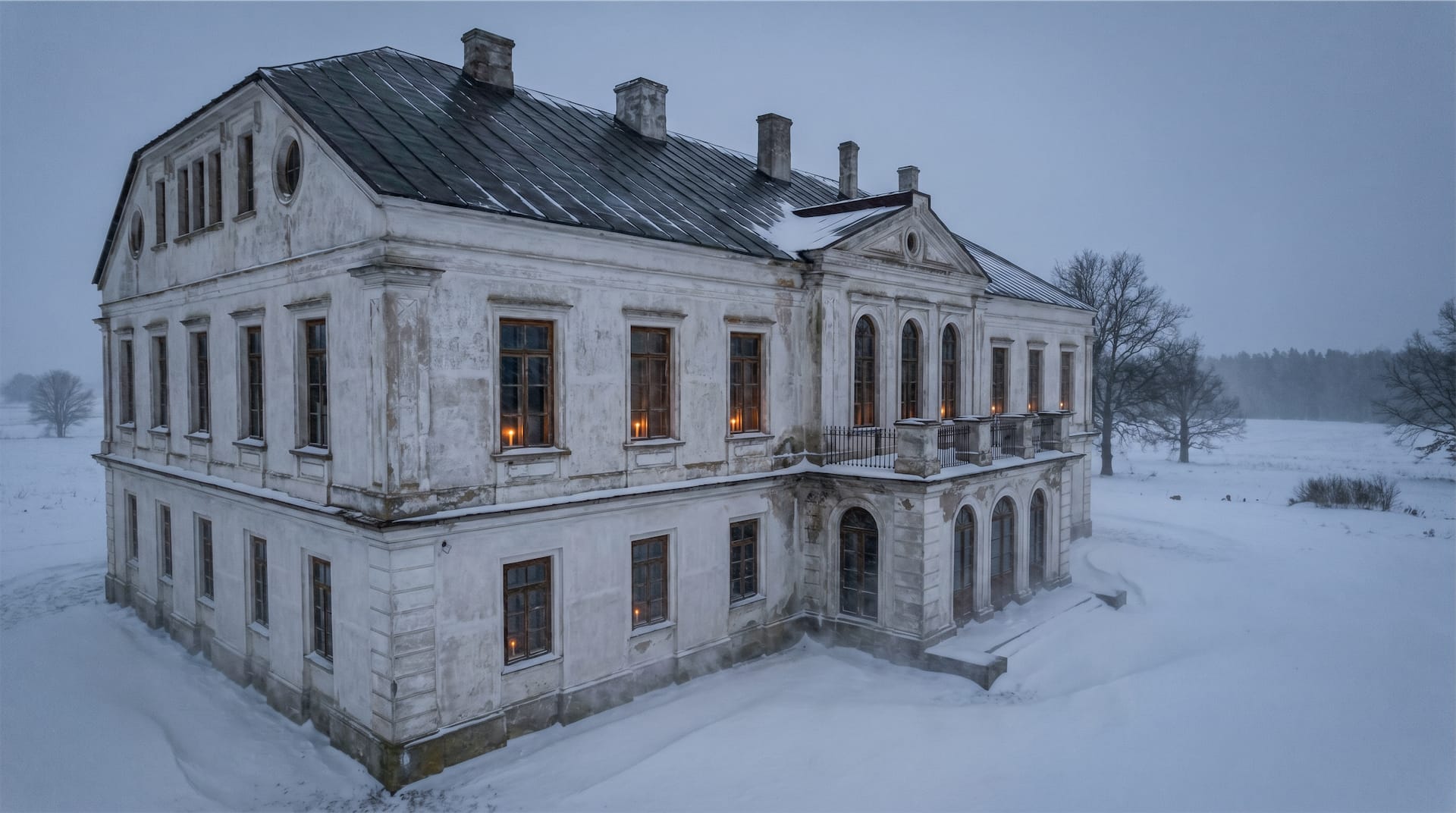
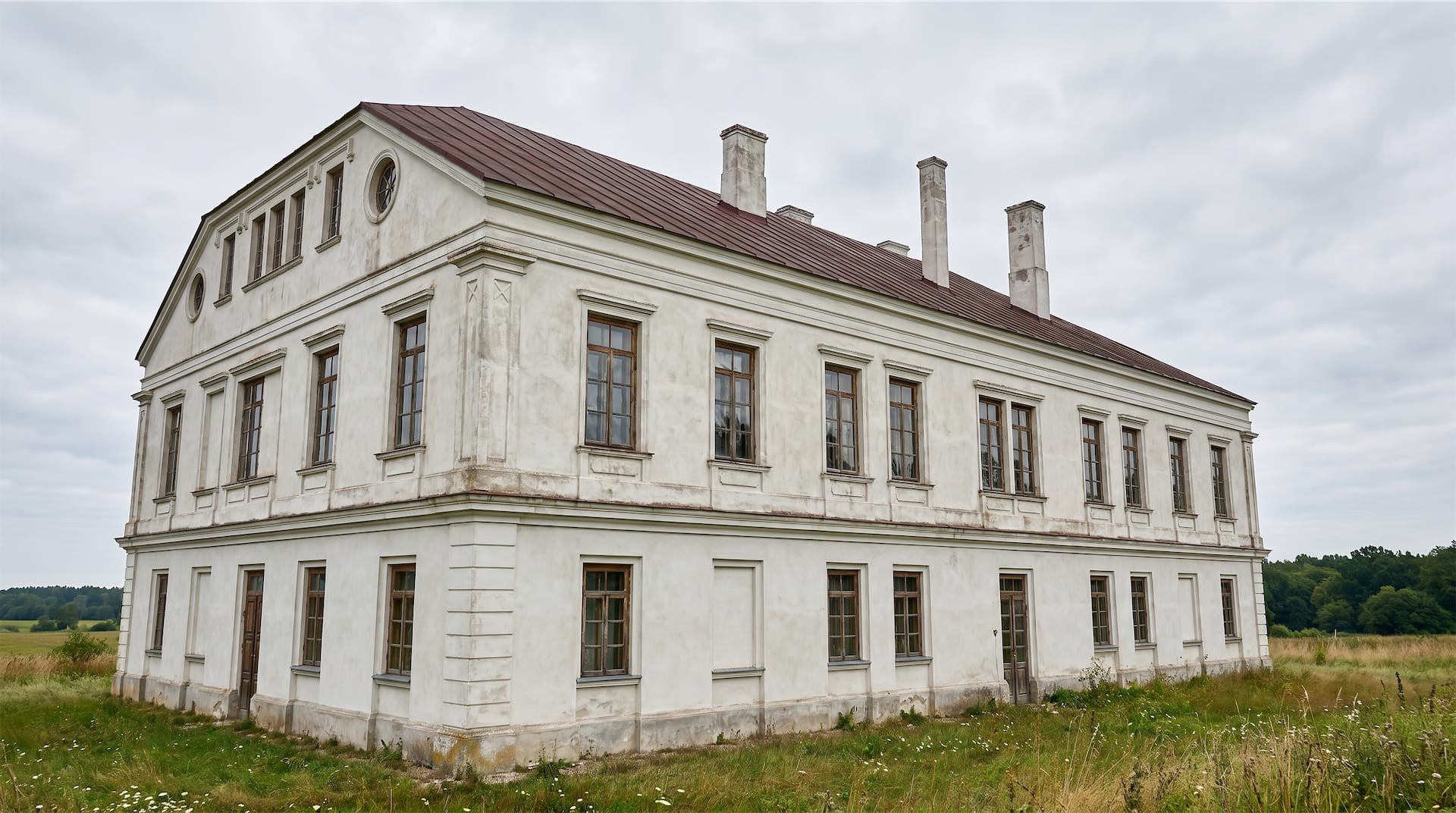
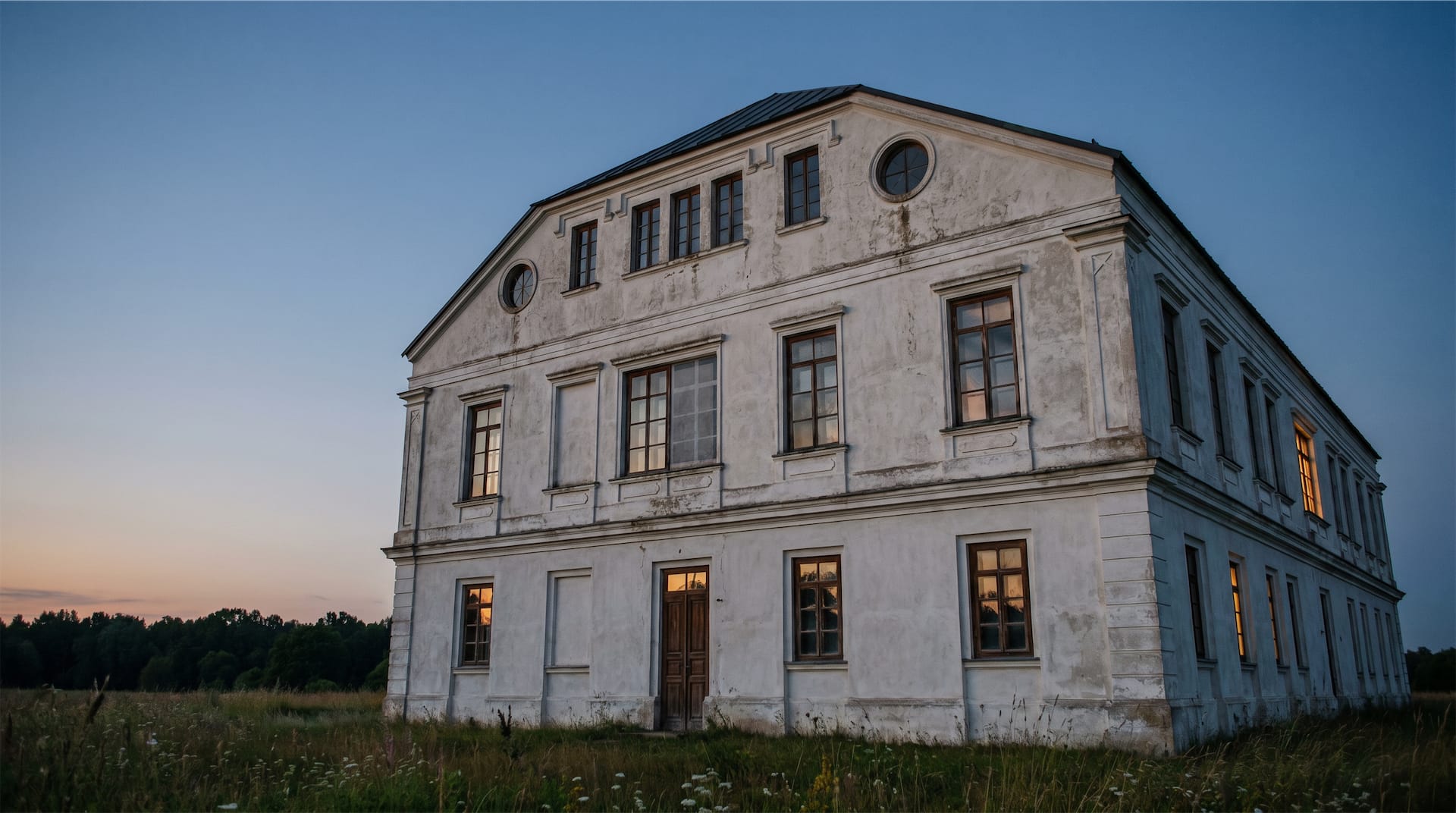
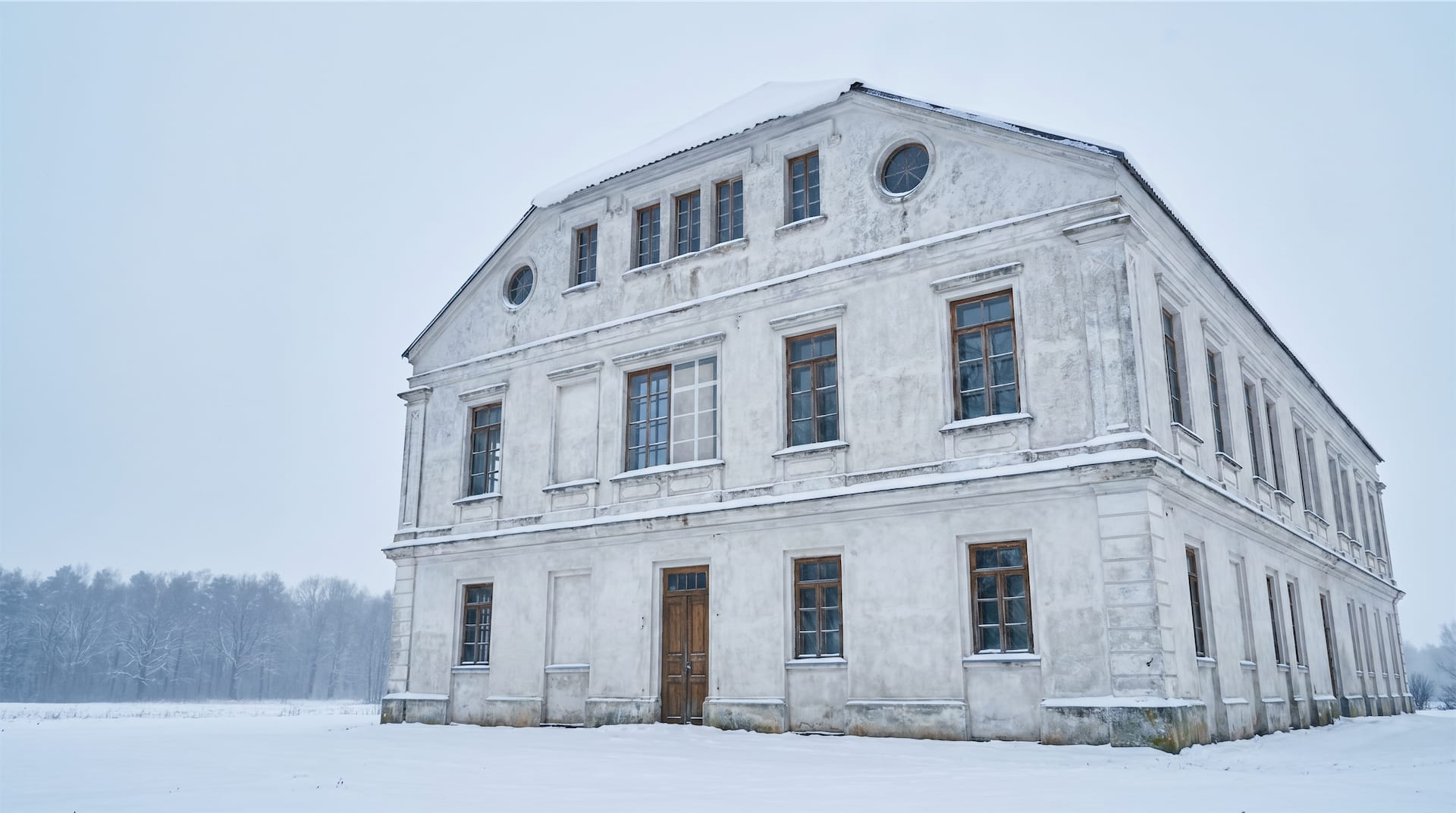
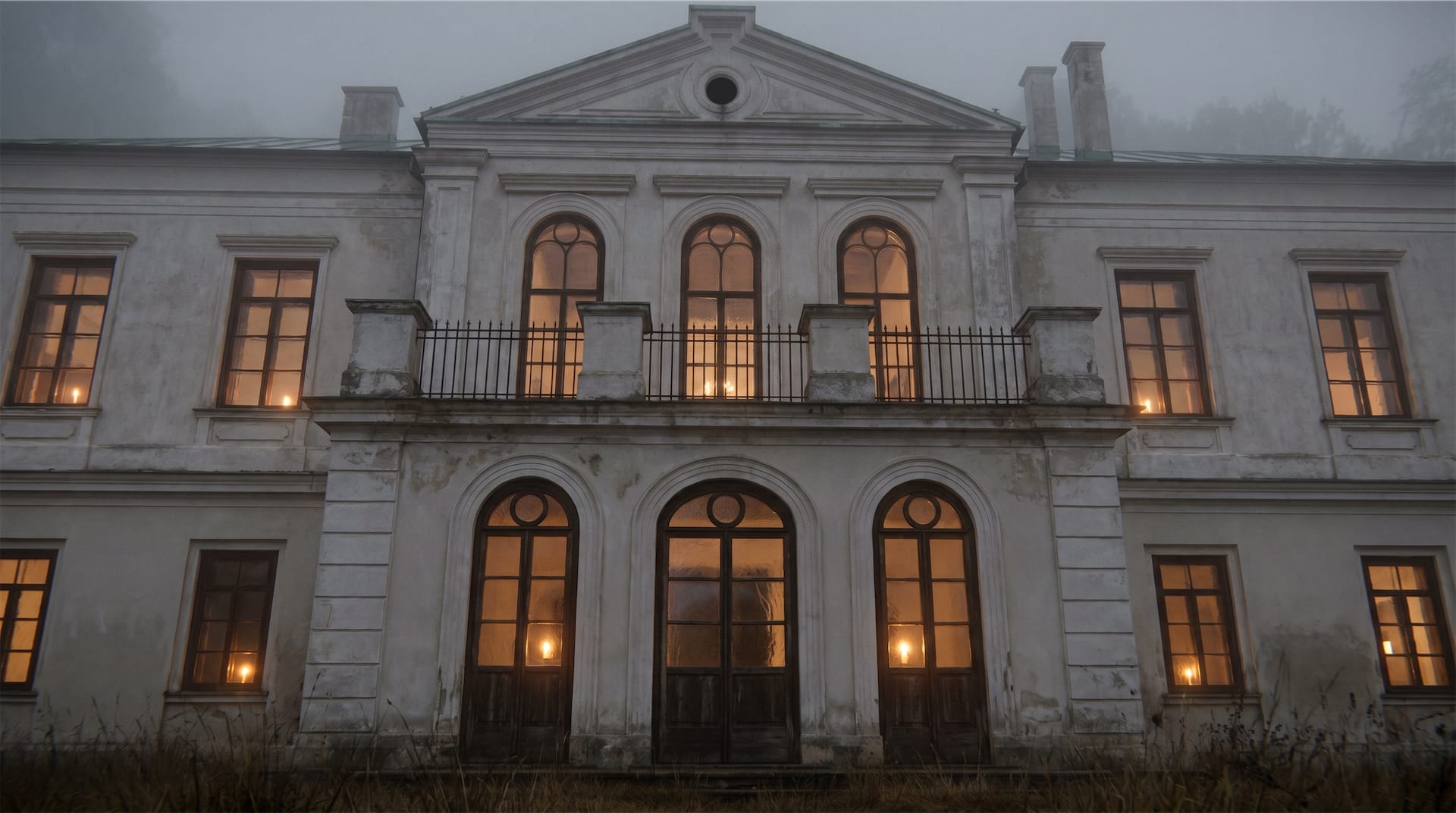
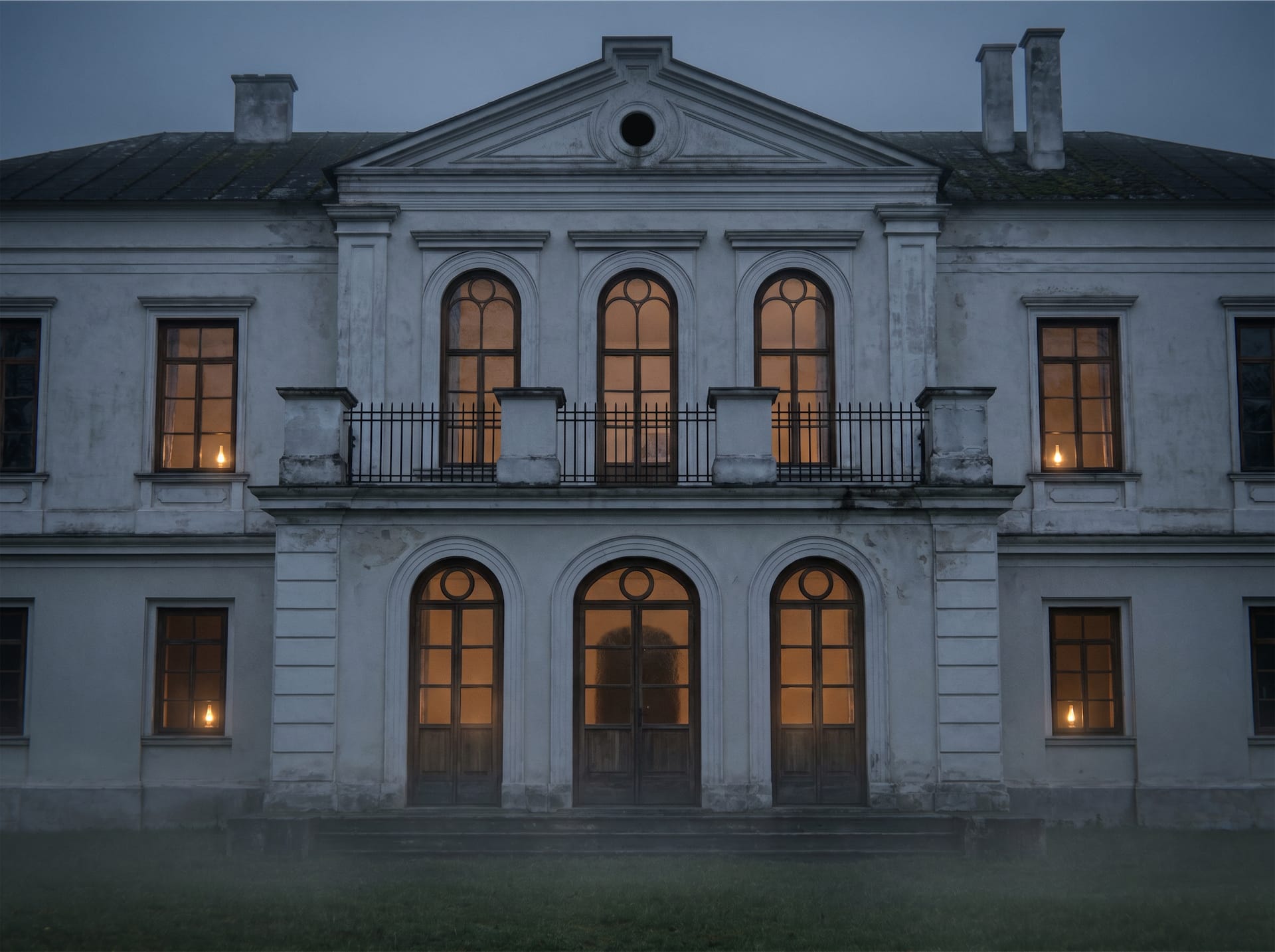
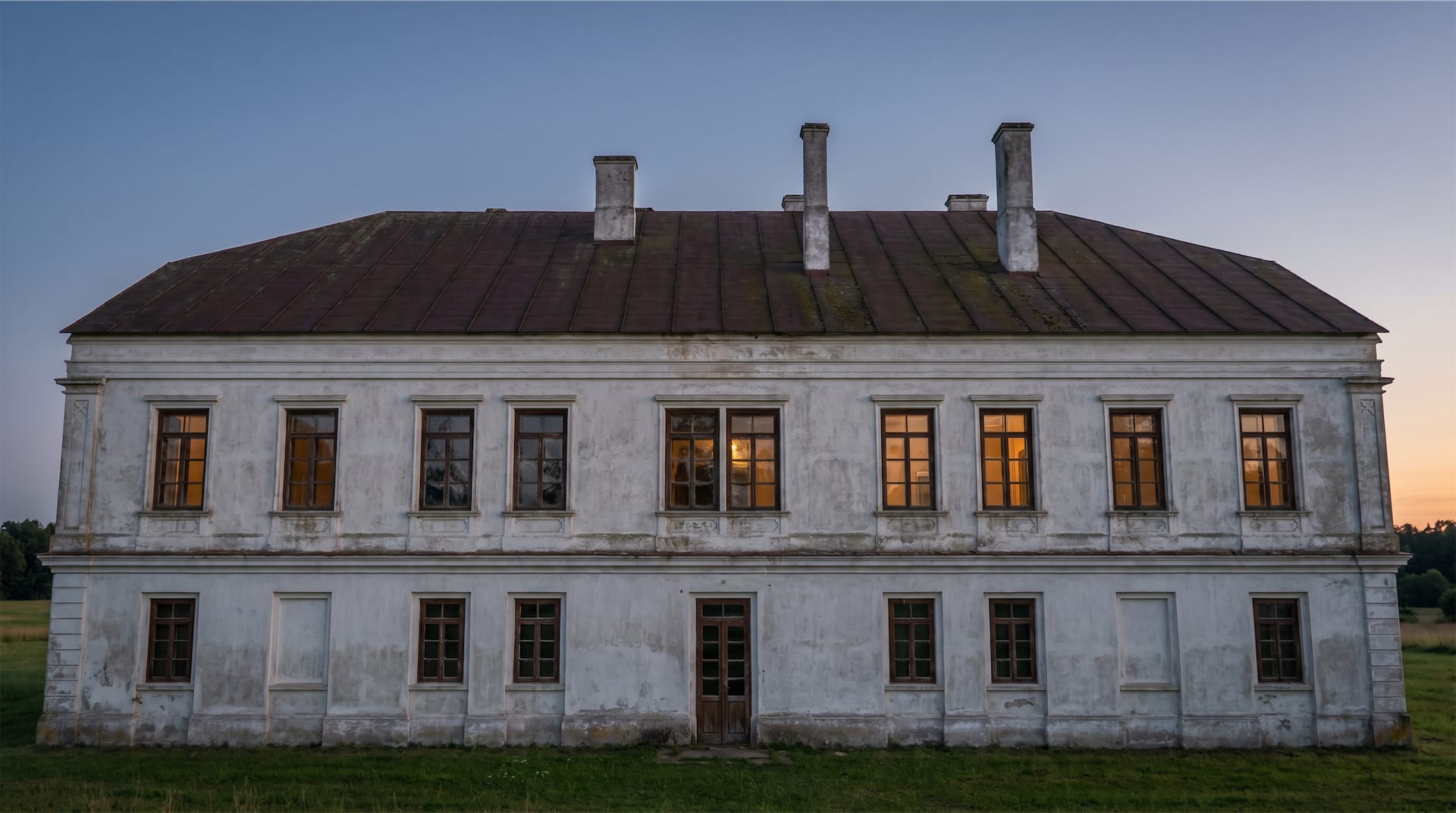
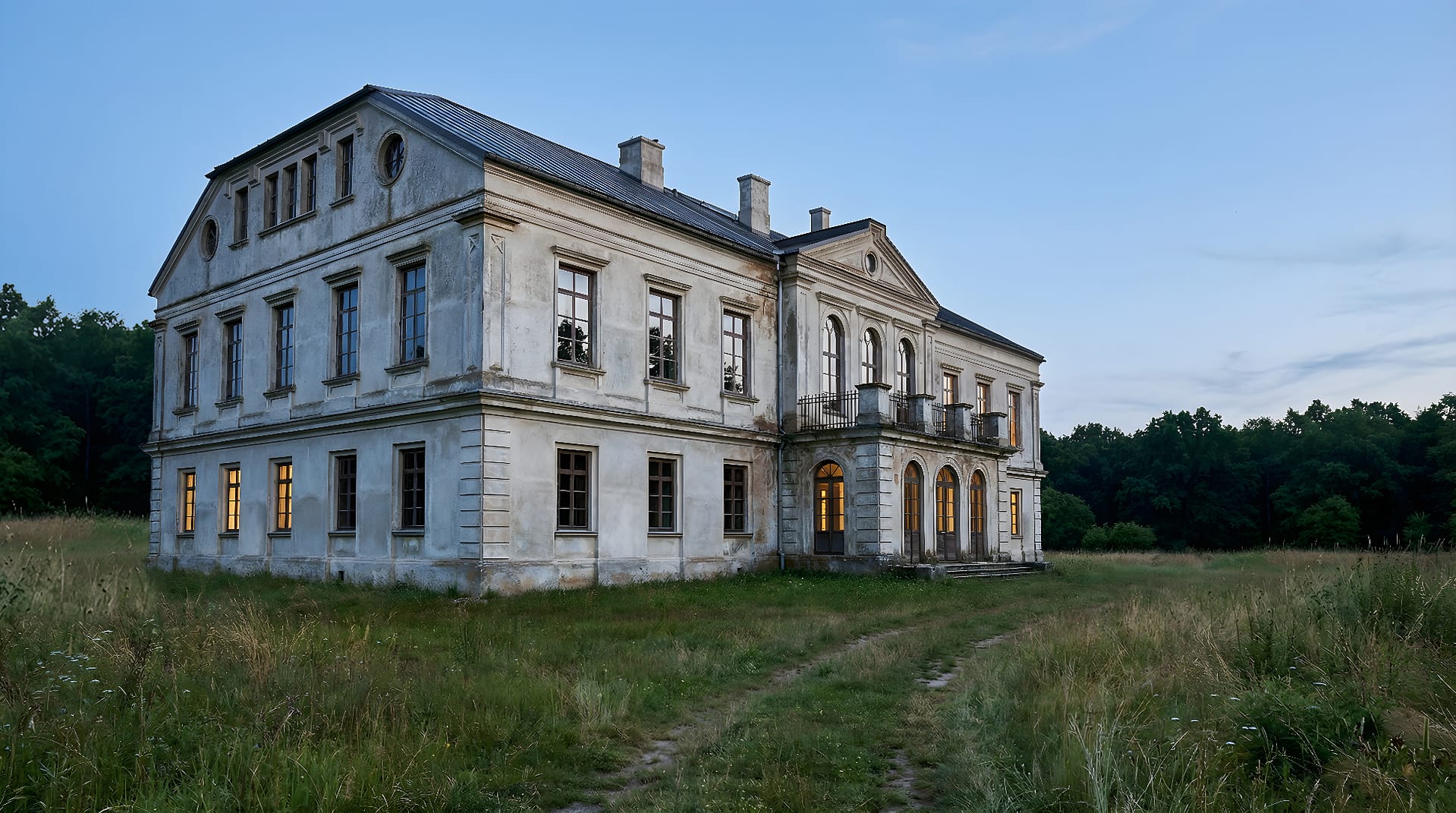
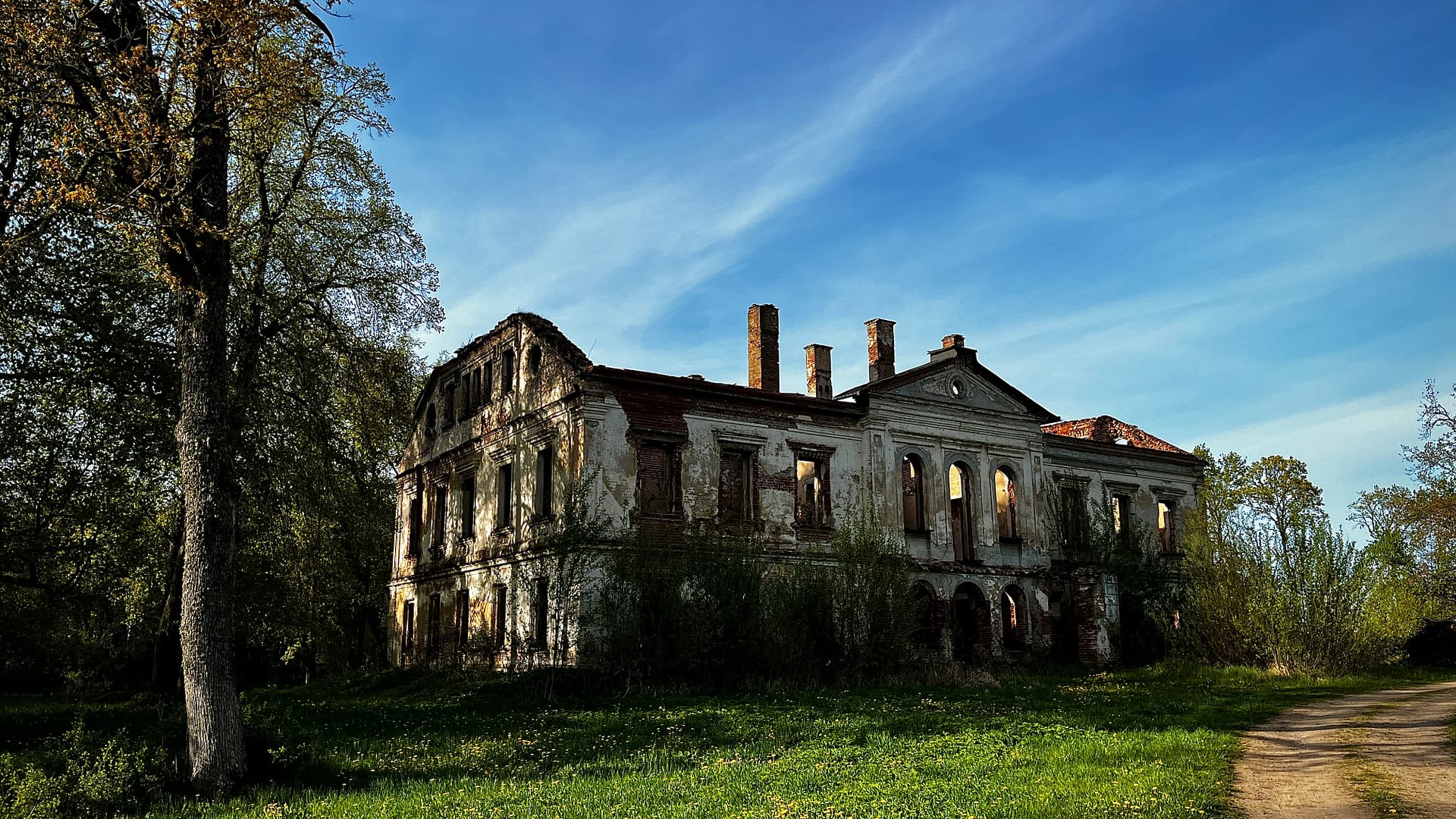
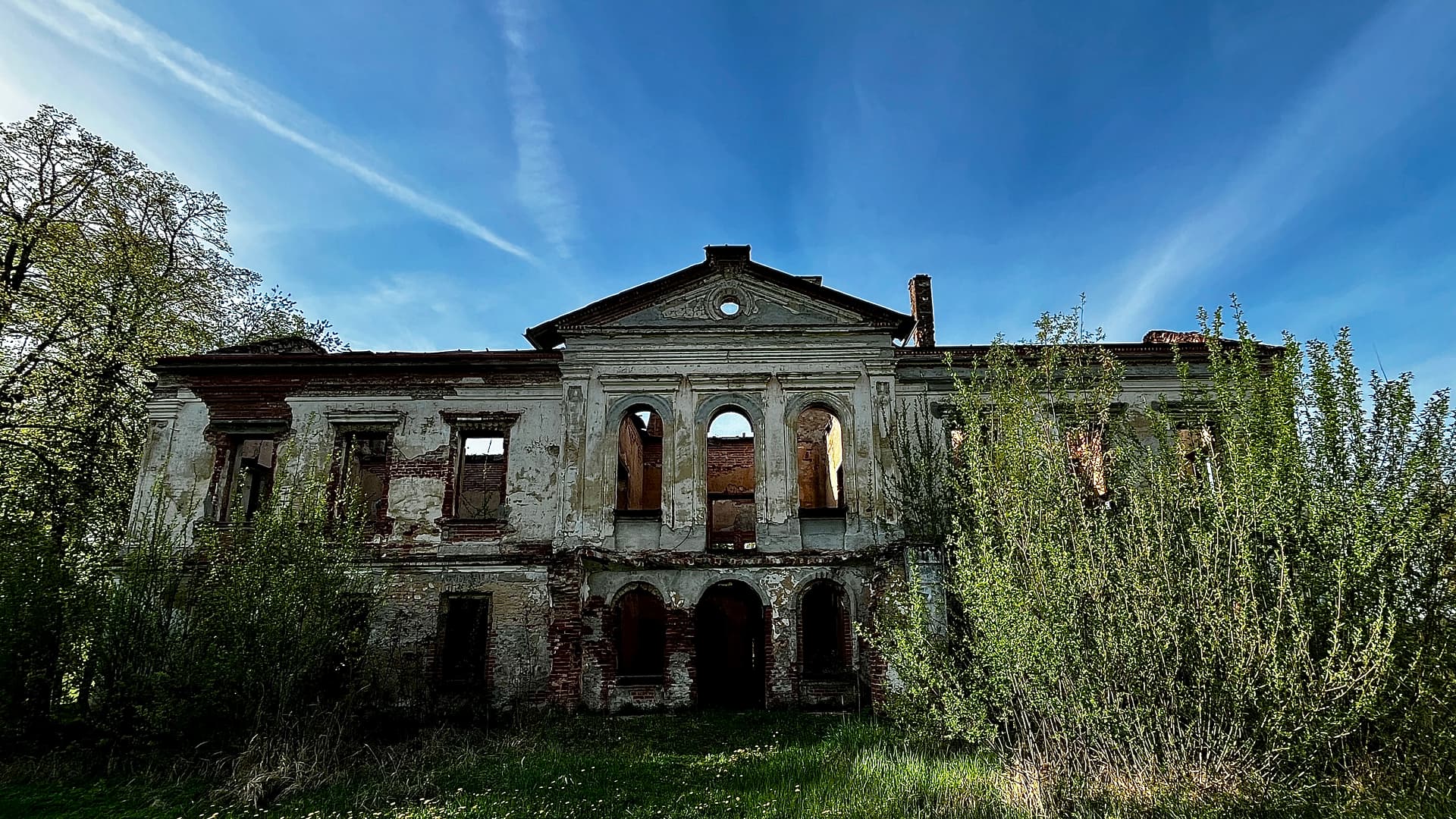
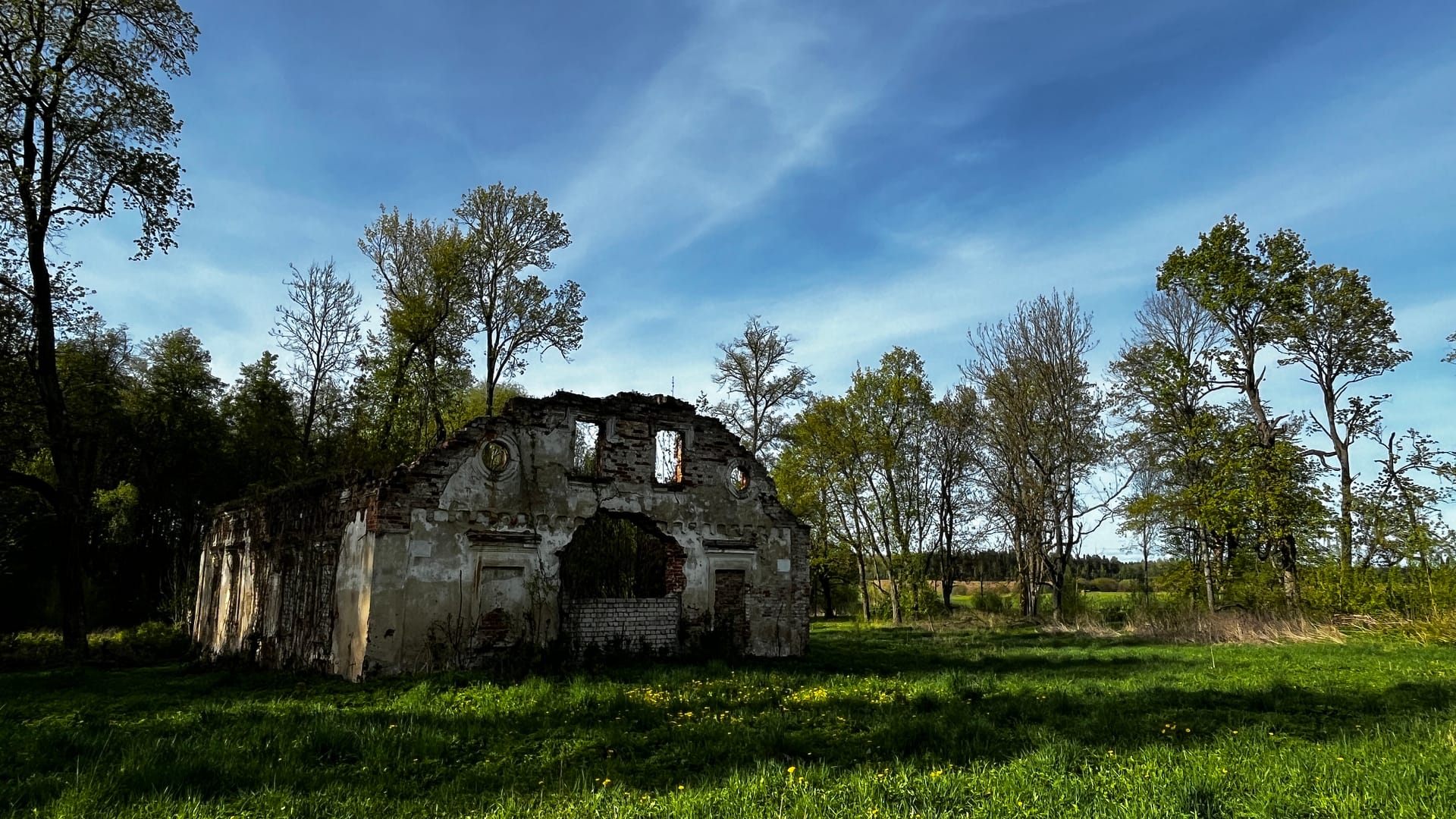
Today, Alančių dvaras is officially recognized as a protected cultural heritage site in Lithuania. The registered complex includes the ruins of the manor house and officina, surviving farm buildings, remains of the riding hall, and the historic manor park, which still preserves elements of its original layout.
The site has been carefully documented through architectural surveys, historical research, and landscape studies preserved in state archives. These materials provide valuable information for understanding the manor’s original appearance and function.
Since the 2010s, emergency conservation and stabilization works have helped slow further deterioration of the remaining structures.
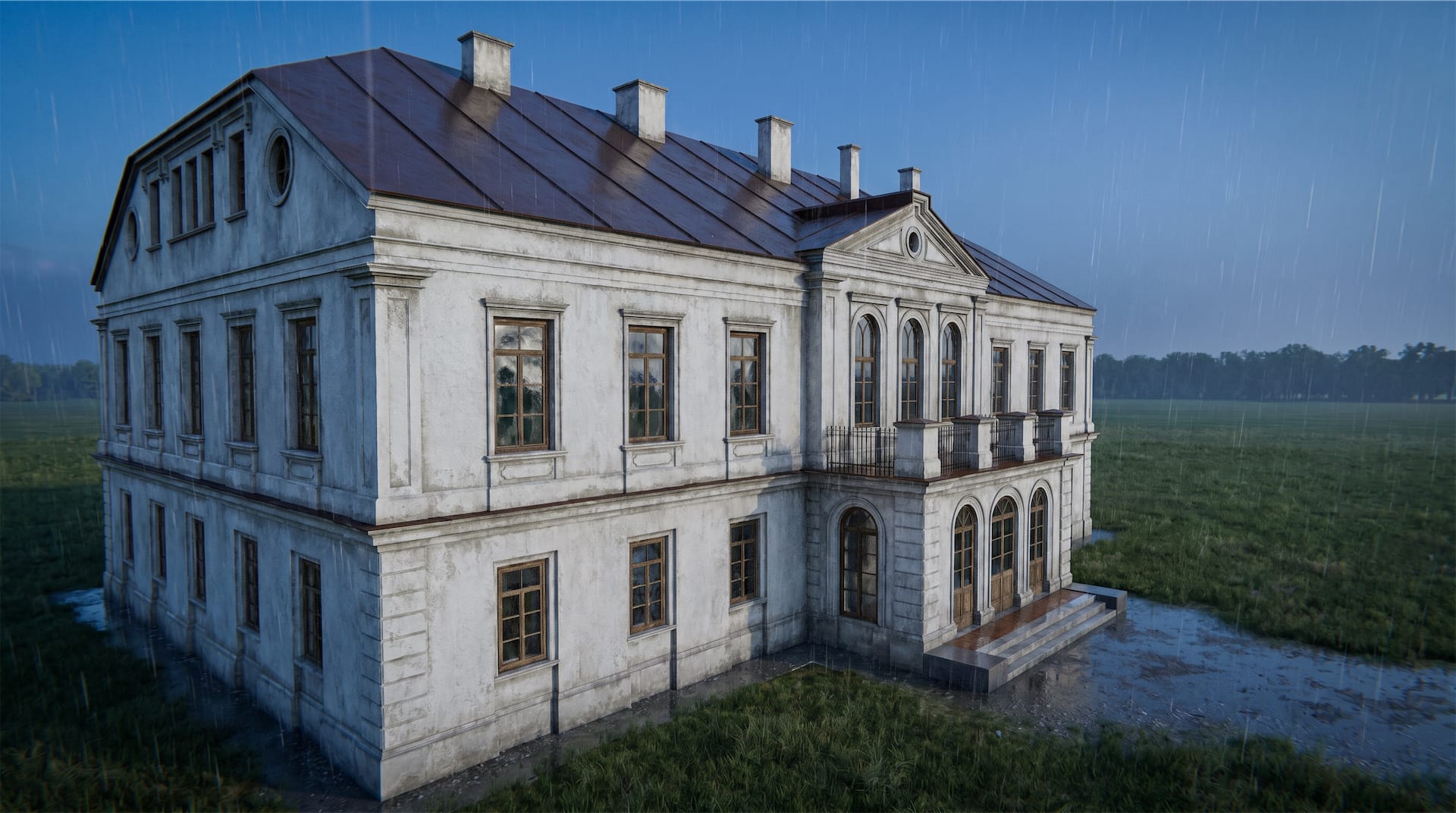
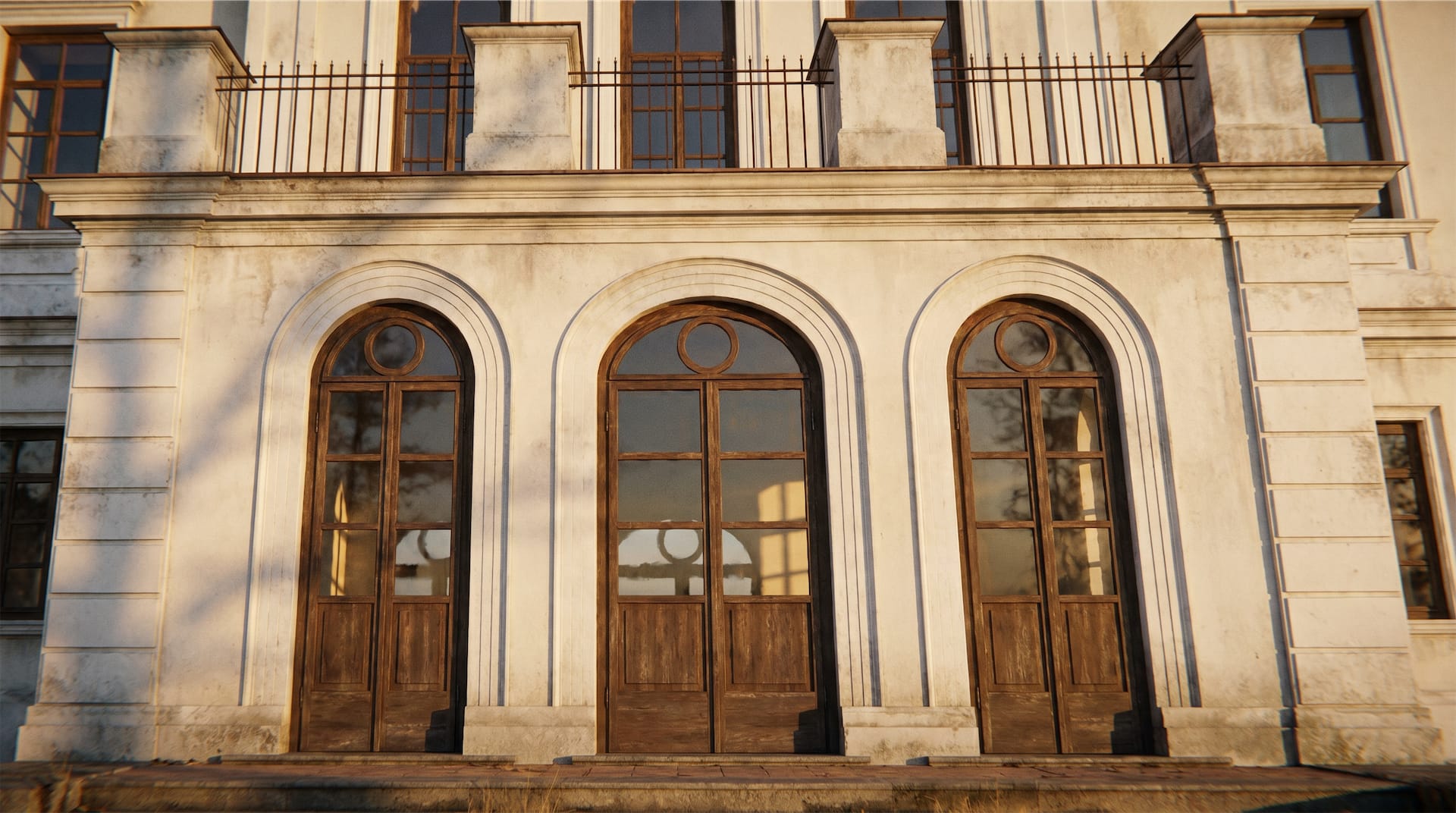
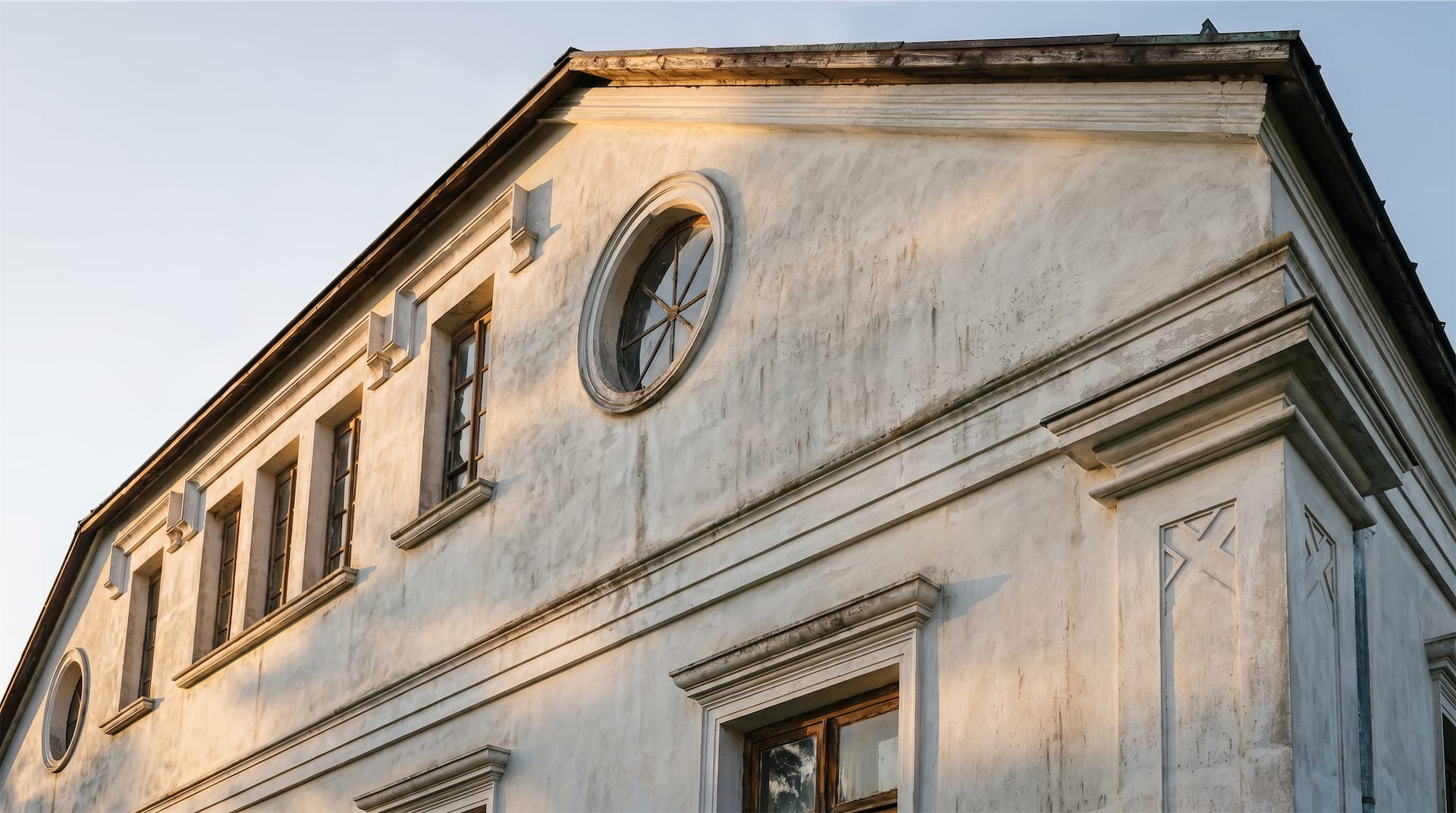
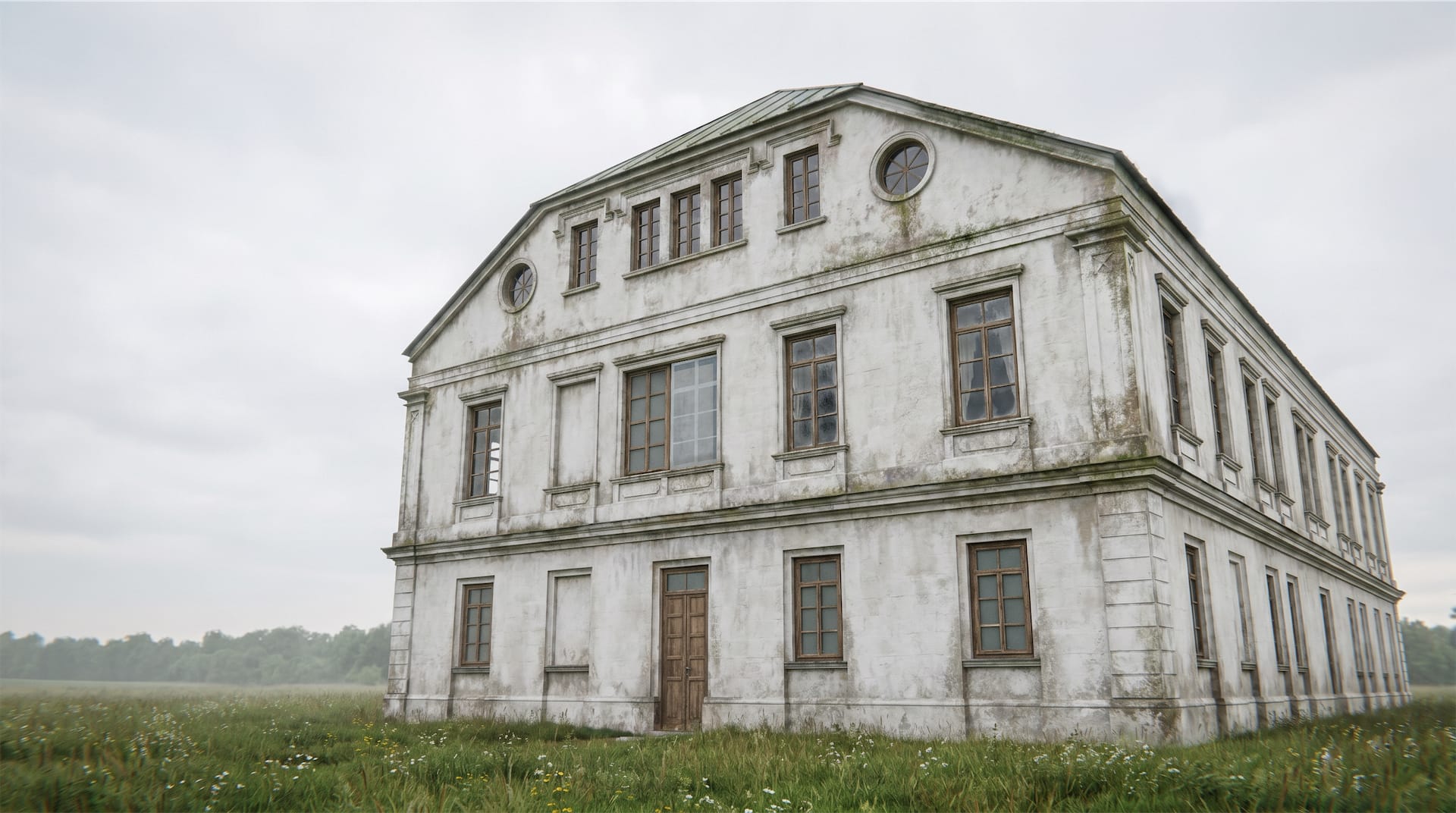
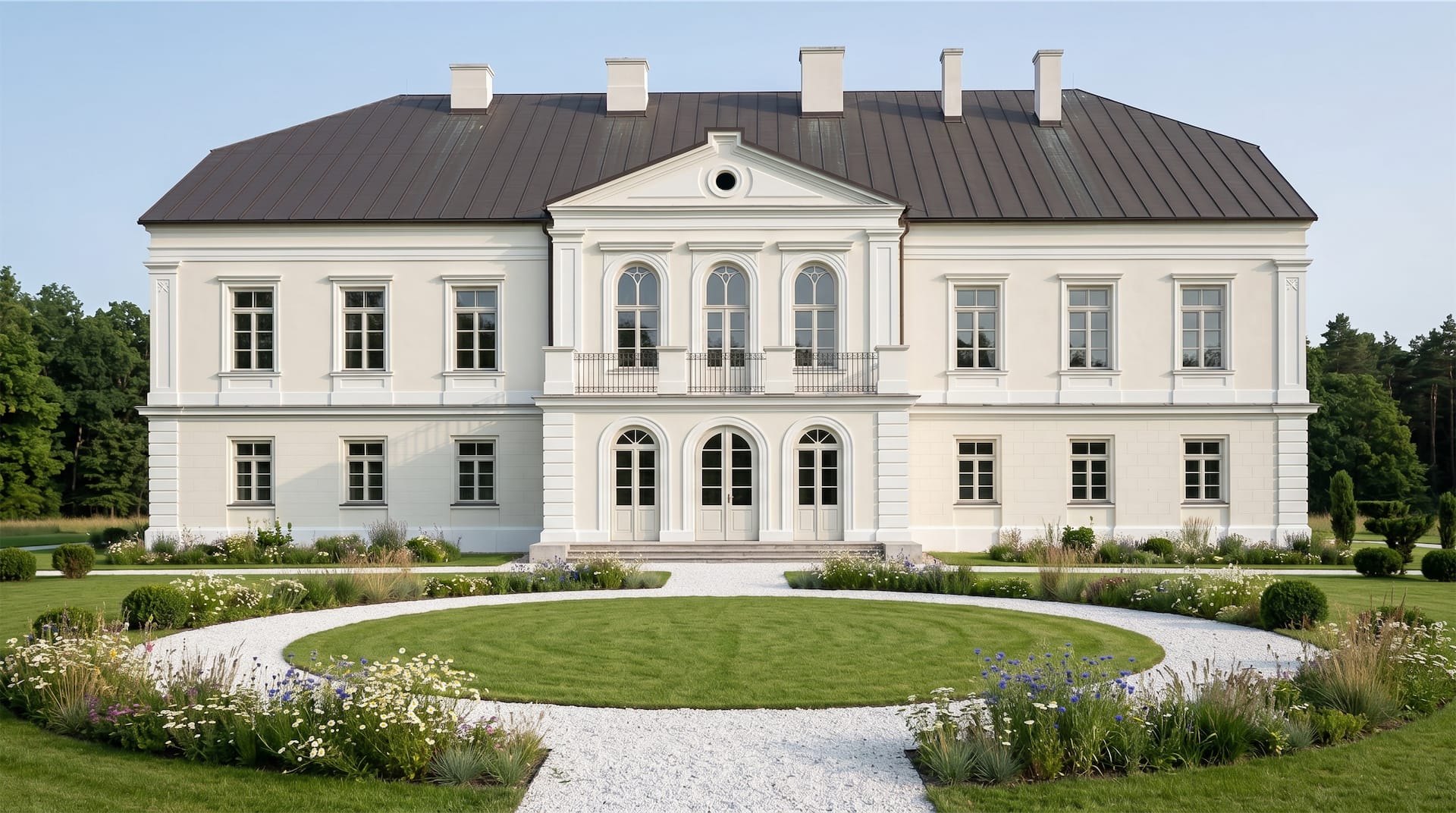
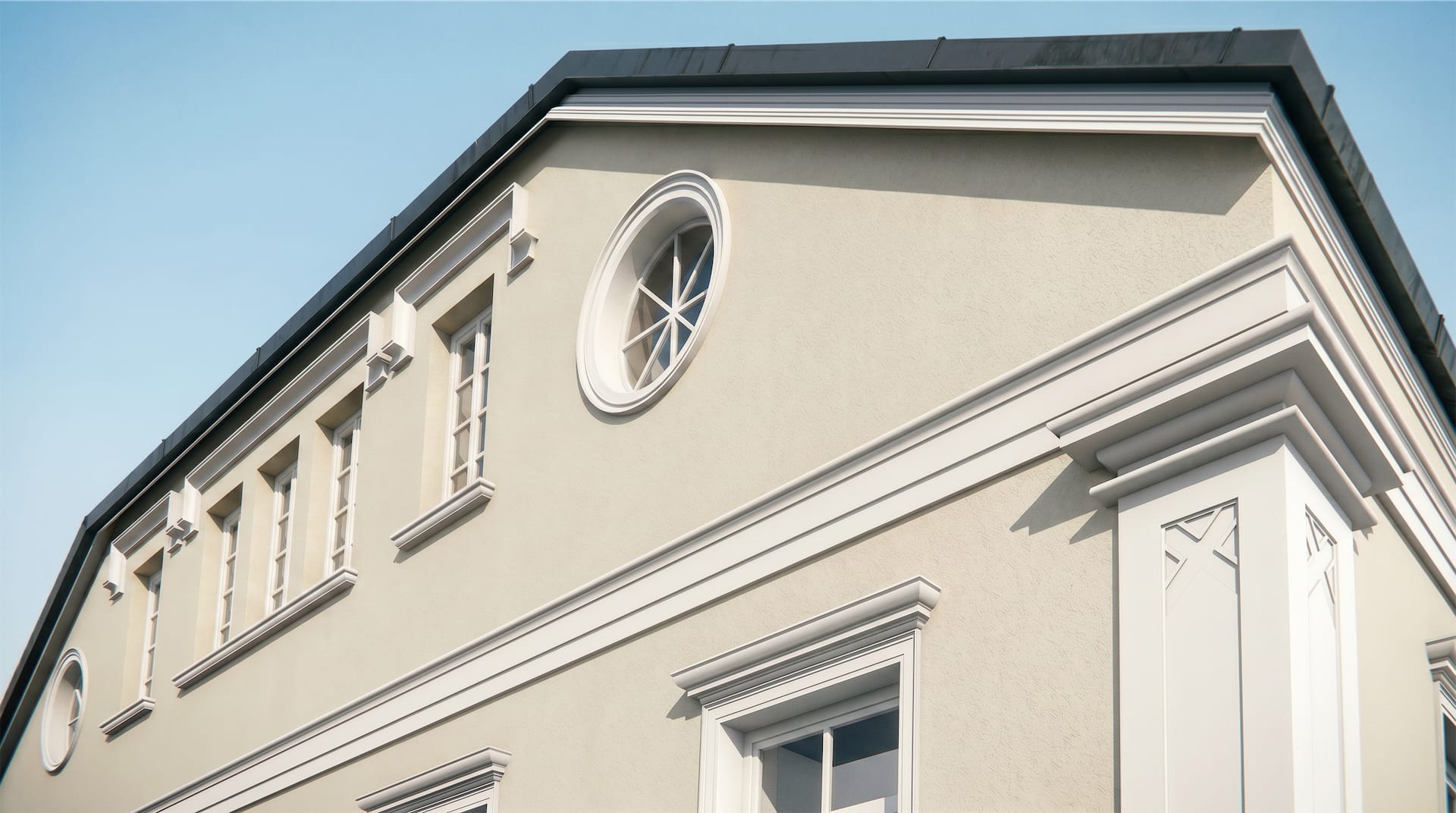
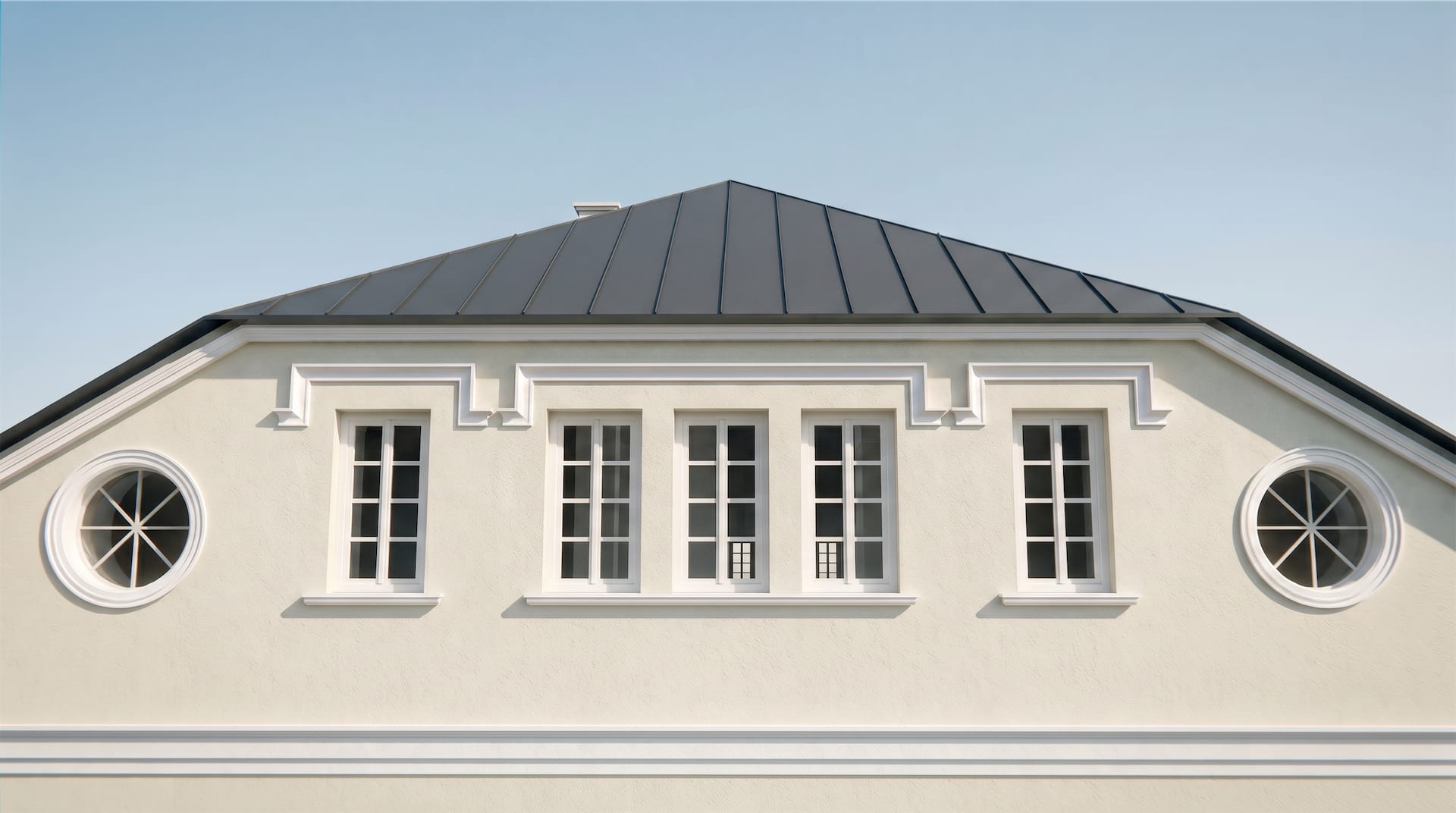
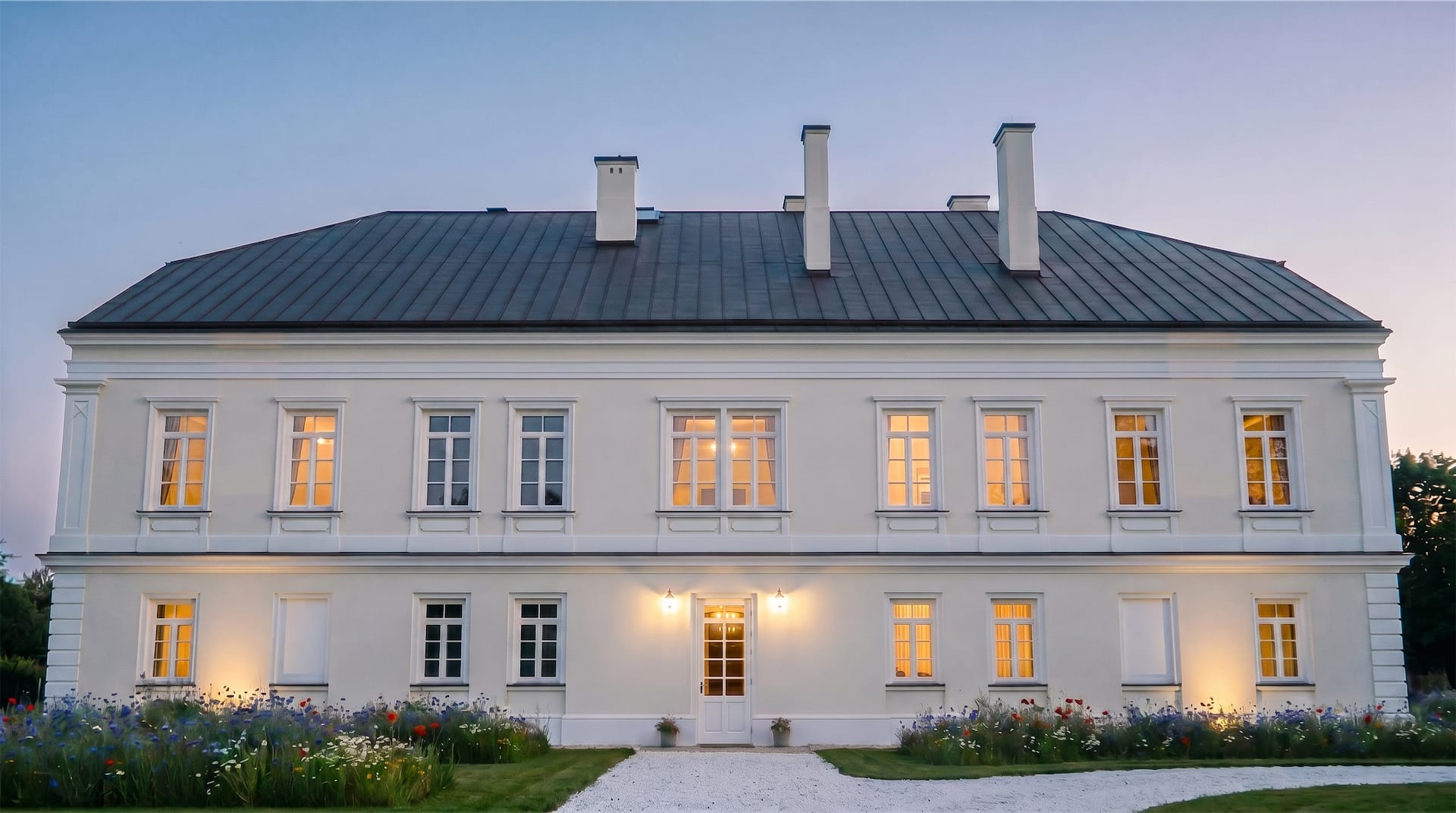
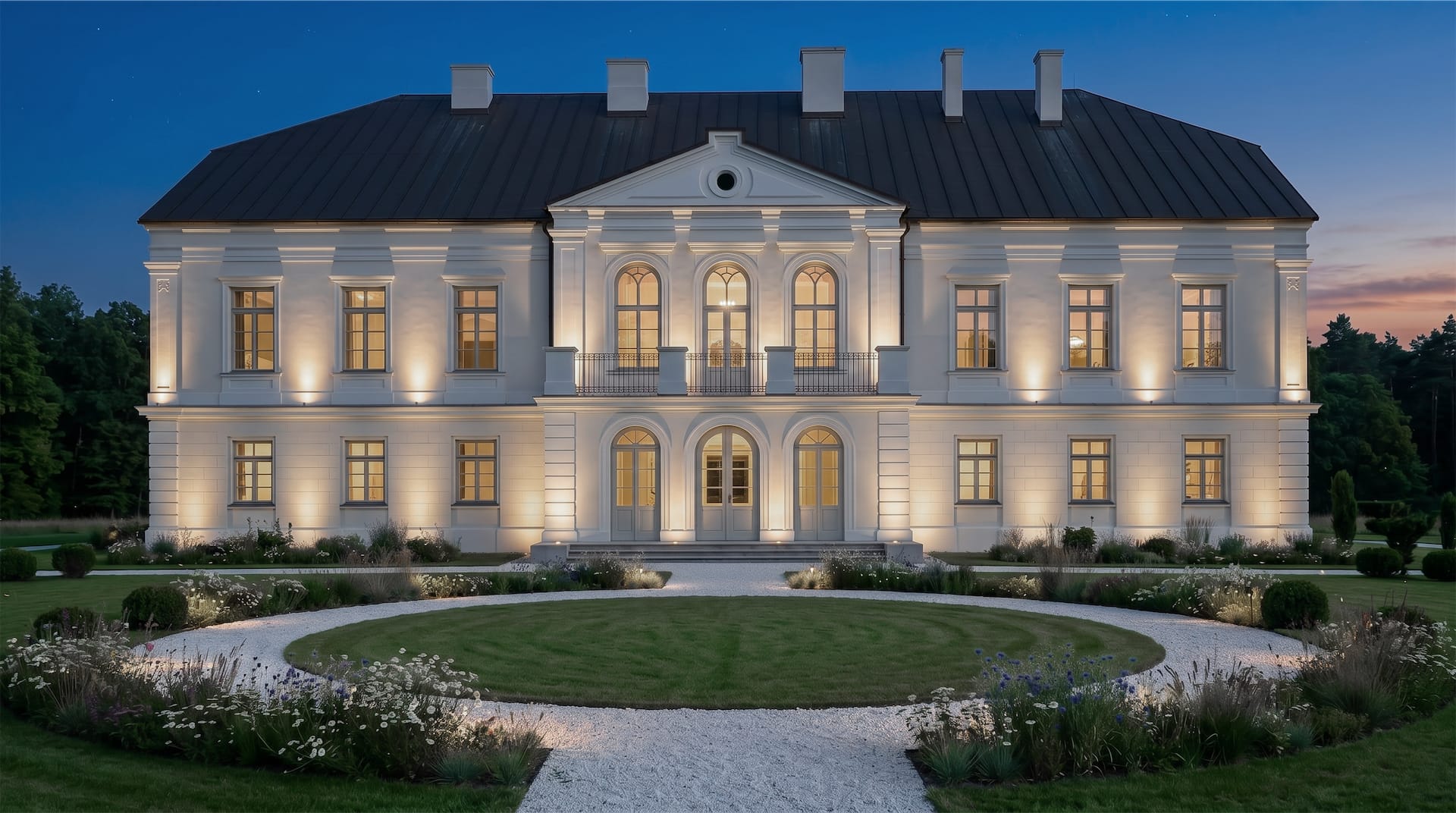
In 2025, renewed interest in Alančių Manor led to the creation of its first detailed 3D reconstruction, supporting historical research, digital preservation, and future restoration or educational initiatives.

Potentiality and Future
Alantės Manor’s luck changed for good when the last owners invested time and resources in order to consolidate the ruins and stop its decay. Nowadays, the manor’s walls are stable, and the critical parts have been temporarily patched to avoid ice formation during winter.
However, a construction without a roof will sooner or later suffer the same process as before, and in many cases people often give up after seeing all the failed attempts at reconstruction. In this case, we strongly recommend seeking ways to finance the construction of a roof as soon as possible, and later focusing on the rest of the process, such as floors, finishings, ornaments, windows, and doors, as well as the other buildings in the complex.
Events could be organized in order to raise awareness of the manor’s revival intentions, and also to gather funds to accelerate the works. It would also be possible to apply for European heritage funding.
As for the future use of this building, there are many potential options, ranging from a museum to a place for relaxation or events away from large cities. In the case that functional adaptations are required, such as adding bathrooms or toilets, the positive aspect is that the building currently lacks floors entirely, meaning that no invasive intervention or damage would be done to any historical elements.
Alantės has significant potential due to its proximity to the A2 Highway, which connects Vilnius with Panevėžys, Šiauliai, and Riga.
Another important and positive factor is that approximately 70 percent of the manor house still remains. Combined with the fact that the manor is relatively small compared to other manors in Lithuania, this indicates a very promising future, provided that the synergy and passion for the manor’s story continue to move toward fast and effective solutions.

Location